Spray Foam Attic Insulation in Orange, CA
Energy-Saving Spray Foam Attic Insulation for Orange, CA Homes — Licensed & Insured
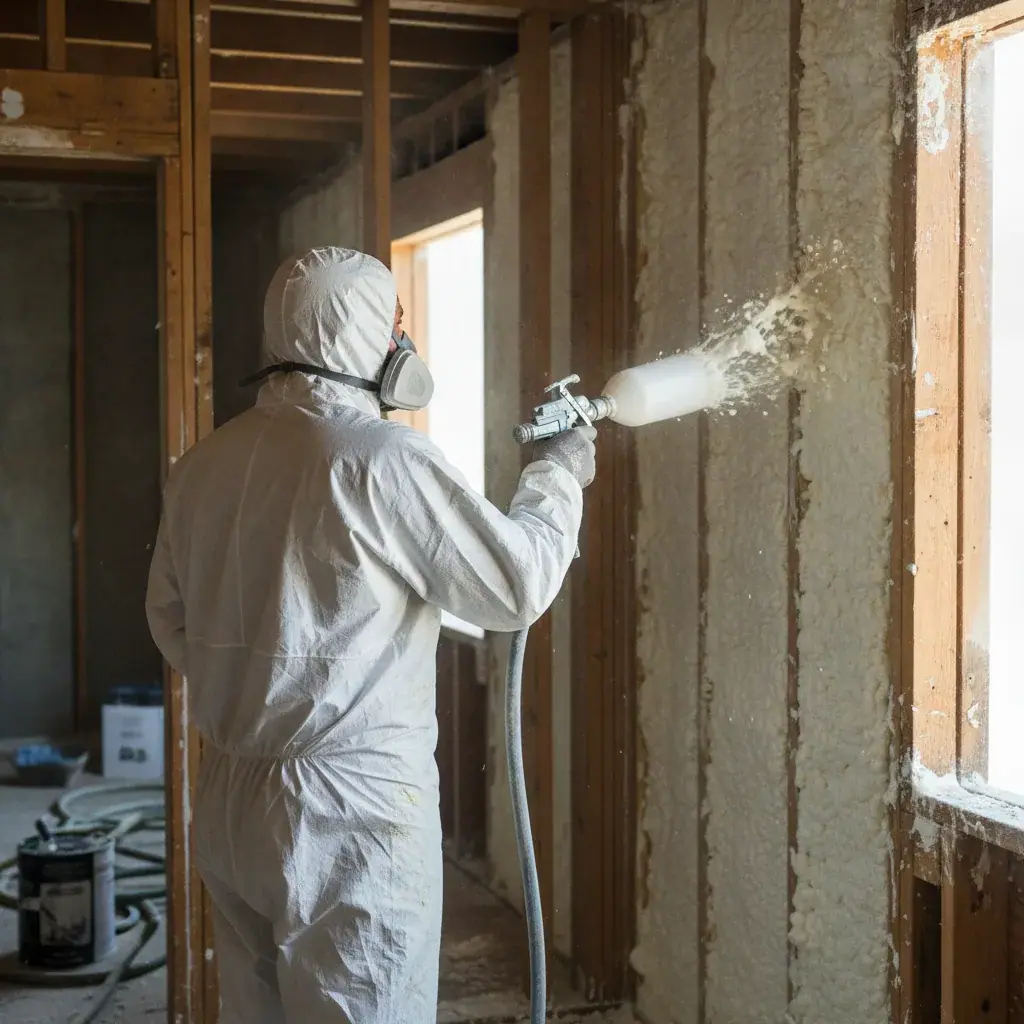
Spray foam attic insulation is a high-performance insulation solution that seals and insulates your attic simultaneously, creating an airtight thermal envelope that dramatically reduces energy loss. Unlike traditional batt or blown-in insulation, spray polyurethane foam expands on contact to fill every gap, crack, and cavity in your attic structure — delivering superior R-values and moisture control in a single application.
In Orange, CA, where summer temperatures regularly climb above 95°F and the region experiences a unique Mediterranean-influenced climate with dry Santa Ana wind events and periods of high humidity, attic insulation performance is critical to year-round home comfort. The mix of aging mid-century ranch homes, 1970s tract developments, and newer construction in Orange presents a wide range of attic configurations that demand professional expertise.
Read moreShow less
At Home Comfort Insulation, our team serves Orange homeowners with precision-driven spray foam attic insulation services tailored to Southern California’s specific building stock and climate demands. Call us today at (714) 909-2175 to schedule your free assessment.
Understanding Spray Foam Attic Insulation
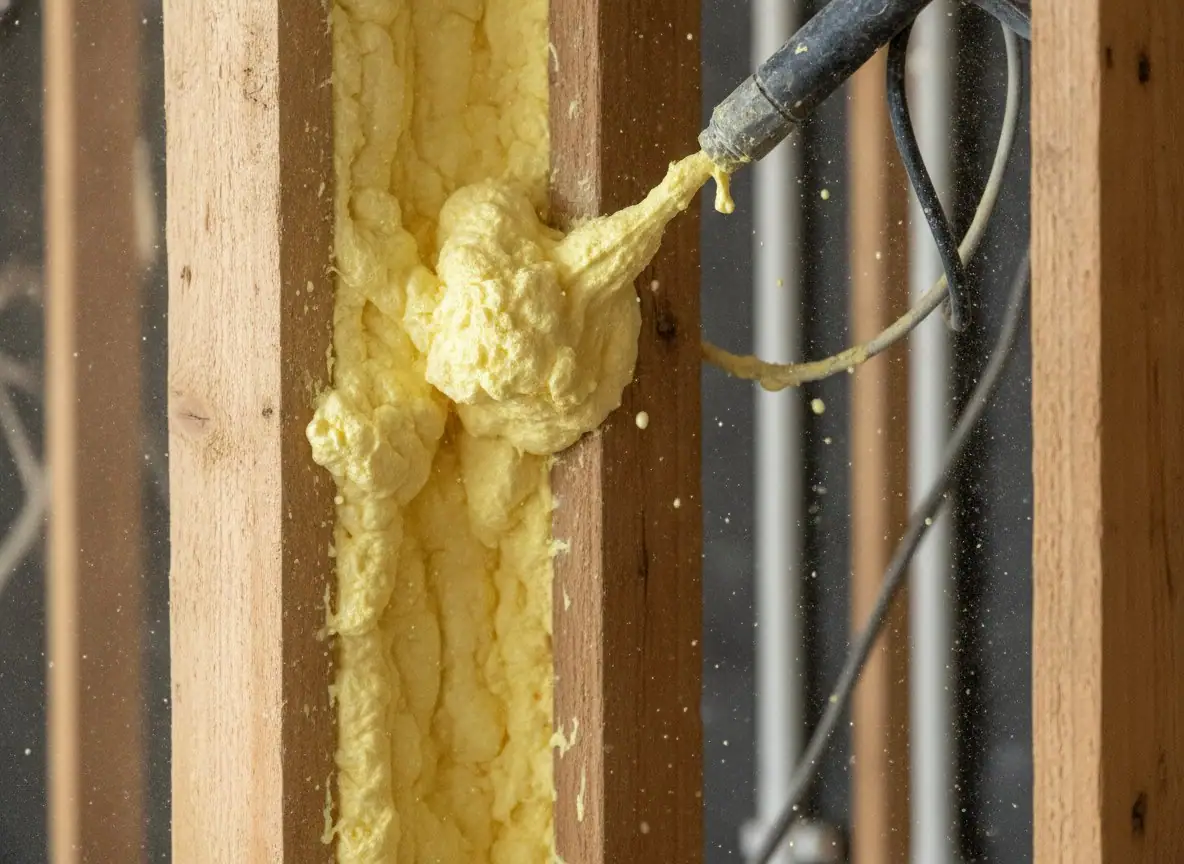
Spray foam attic insulation involves the application of a two-component liquid polyurethane system — isocyanate and polyol resin — that chemically reacts upon mixing to expand into a rigid or semi-flexible foam. This foam adheres directly to attic surfaces including rafters, roof decking, and top plates, forming an insulating layer that also acts as an air and vapor barrier.
There are two primary types of spray foam used in residential attic applications:
- Open-Cell Spray Foam: A softer, more flexible foam with an R-value of approximately R-3.7 per inch. It is vapor-permeable and cost-effective, making it suitable for interior attic applications where moisture management is controlled by other means.
- Closed-Cell Spray Foam: A rigid, dense foam with an R-value of R-6.0 to R-7.0 per inch. It acts as both an air barrier and vapor retarder, making it ideal for attics exposed to temperature extremes and moisture fluctuation — conditions common throughout Orange County.
Read moreShow less
The concept of spray-applied insulation dates to the 1940s when polyurethane chemistry was first developed for industrial uses. By the 1970s energy crisis, residential spray foam applications became more widespread as homeowners across the Sun Belt, including Southern California, sought ways to reduce escalating utility bills. In Orange, many homes built during the post-war suburban boom of the 1950s and 1960s were constructed with minimal attic insulation — often just fiberglass batts rated at R-11 or lower — that no longer meets California’s Title 24 energy efficiency standards.
Today, California’s Title 24 Building Energy Efficiency Standards require a minimum attic insulation R-value of R-38 for Climate Zone 8, which covers Orange. Spray foam’s superior R-value per inch allows homeowners to meet or exceed this threshold even in attics with limited clearance — a common challenge in the low-pitched rooflines of Orange’s many single-story ranch homes and Spanish Colonial Revival properties.
Beyond thermal performance, spray foam attic insulation reduces HVAC system strain, lowers utility bills, improves indoor air quality by blocking outside pollutants and allergens, and can contribute meaningfully to sound dampening — a benefit appreciated by homeowners near the SR-55 or SR-22 freeway corridors in Orange.
Signs You Need Spray Foam Attic Insulation in Orange, CA
Energy and Comfort Indicators
- Monthly summer electric bills exceeding $250–$350 for a typical 1,500–2,000 sq ft Orange home
- Rooms directly below the attic that feel noticeably hotter than the rest of the house
- Air conditioning running continuously during afternoon hours without reaching set temperature
- Uneven temperatures between rooms on the same floor
Visual and Physical Signs
- Existing attic insulation is visibly compressed, discolored, or less than 10–11 inches deep
- Daylight visible through attic roof decking or around penetrations
- Drafts felt near attic hatches, recessed lighting, or interior ceiling fans during Santa Ana wind events
- Ice dams forming at eaves during rare Orange cold snaps (though uncommon, they do occur)
Health and Air Quality Concerns
- Elevated indoor dust levels, particularly during wildfire smoke events
- Musty or stale odors emanating from attic spaces during marine layer months
- Evidence of rodent activity in existing insulation (droppings, nesting material, damaged batts)
Urgency Indicators
- Home inspection report flagging substandard or absent attic insulation
- Planning an HVAC system replacement — new equipment benefits significantly from improved insulation
- Home built before 1980 with no documented insulation upgrades
Free, no-obligation estimates
Talk to Home Comfort Insulation
Tell us what you need and we’ll take it from there.
Our process
Our Spray Foam Attic Insulation Process in Orange, CA
- 01
Free In-Home Assessment (1–2 Hours)
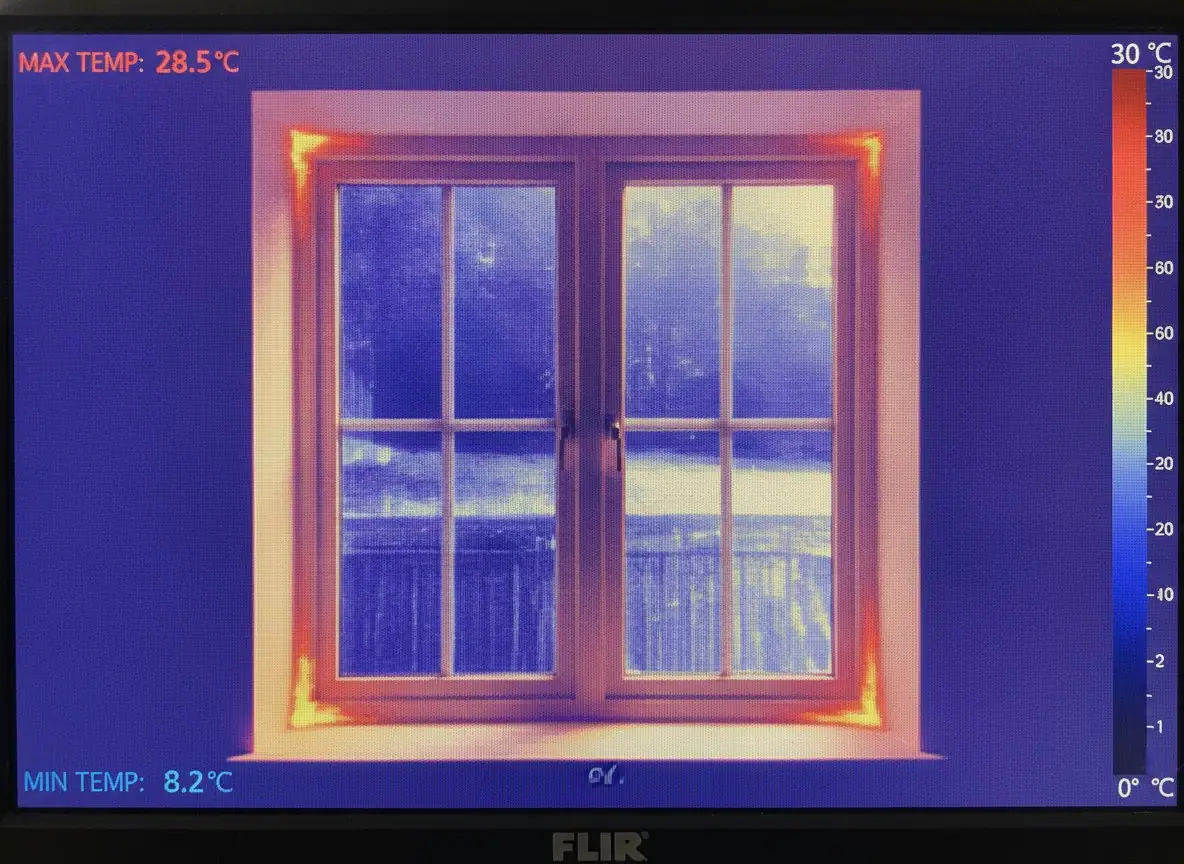
Our certified technician visits your Orange home to perform a thorough attic evaluation. We measure existing insulation depth and R-value, inspect for air bypasses, document moisture conditions, assess structural clearances, and review your current energy bill
- 02
Insulation Removal (if required) (Half Day to Full Day)
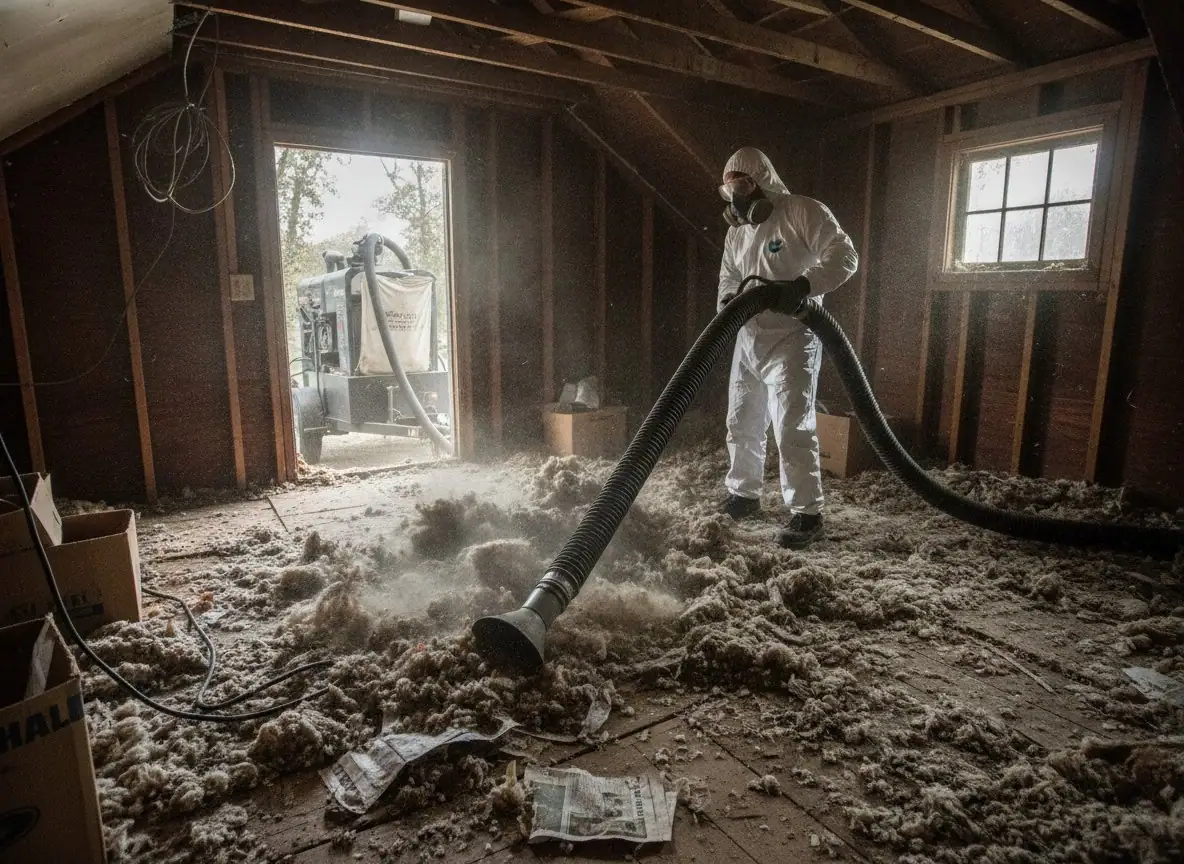
If existing insulation is contaminated, degraded, or incompatible with spray foam application, our team performs a complete professional insulation removal using commercial HEPA-filtered vacuum equipment. All debris is bagged, sealed, and disposed of in compli
- 03
Attic Preparation and Air Sealing (2–4 Hours)
Before spray foam application, technicians seal large bypasses around plumbing stacks, electrical conduits, recessed lighting cans, and attic hatches using appropriate backer rod and caulk. HVAC ducts running through the attic are inspected and sealed if leaki
- 04
Protective Masking (1–2 Hours)
All attic surfaces not receiving spray foam — HVAC equipment, junction boxes, ventilation baffles where required — are masked with plastic sheeting and tape to prevent overspray. Our crew wears full PPE including respirators and Tyvek suits throughout applicat
- 05
Spray Foam Application (2–6 Hours Depending on Attic Size)
Closed-cell or open-cell foam is applied in multiple passes to achieve the target thickness — typically 5.5–6 inches of closed-cell foam to reach R-38 or higher, meeting California Title 24 requirements for Climate Zone 8. Our technicians monitor ambient tempe
- 06
Cure Time and Quality Inspection (2–24 Hours)
Spray foam requires a minimum 24-hour cure period before the space is reoccupied. Our project manager performs a post-application inspection to verify uniform thickness, adhesion, and coverage of all target areas.
- 07
Final Documentation and Cleanup (1 Hour)
We provide a completed project report including foam type, installed thickness, achieved R-value, and coverage area — documentation useful for California energy rebate programs and future real estate disclosure requirements in Orange County.
Spray Foam Attic Insulation Methods and Approaches
Closed-Cell Spray Foam — Unvented (Conditioned) Attic Assembly
The most common approach in Orange’s hot climate. Closed-cell foam is applied directly to the underside of roof decking and rafters, converting the attic into a conditioned space. HVAC equipment and ductwork in the attic then operate within the building envelope, dramatically improving system efficiency. This method is ideal for homes with ductwork in the attic — extremely common in Orange’s 1960s–1980s tract homes.
Open-Cell Spray Foam — Vented Attic Assembly
Open-cell foam applied to the attic floor (top of ceiling joists) at 5.5–8 inches provides R-20 to R-29 while maintaining a traditional vented attic above. This approach costs less per square foot and suits homes where attic HVAC equipment is not a concern. Best applied during cooler Orange mornings (below 85°F ambient) for optimal expansion characteristics.
Hybrid Closed-Cell + Blown-In System
A 2-inch closed-cell spray foam base coat is applied to the attic floor to create an air and vapor barrier, followed by blown-in insulation to achieve the target R-value. This hybrid approach delivers closed-cell air-sealing performance at a lower overall cost — a popular option for Orange homeowners managing renovation budgets.
Rafter Cavity Flash and Batt
A 1.5–2 inch layer of closed-cell spray foam is applied to roof decking between rafters, followed by rigid or batt insulation in the remaining cavity. Common in older Orange bungalows and Craftsman homes with shallow rafter depths where full closed-cell fill would be cost-prohibitive.
Targeted Air Sealing with Supplemental Insulation
For attics where existing insulation is still serviceable, spray foam is applied exclusively at bypass locations — top plates, penetrations, attic hatches — to address air infiltration without full insulation replacement. This targeted spray foam insulation approach delivers significant energy savings at minimal cost.
Spray Foam Attic Insulation Cost in Orange, CA
Understanding the investment involved in spray foam attic insulation helps Orange homeowners plan effectively and evaluate quotes accurately.
Typical Cost Ranges
- Open-Cell Spray Foam (attic floor): $1.00–$1.50 per board foot installed. A 1,500 sq ft attic at 5.5-inch depth typically costs $2,200–$3,400.
- Closed-Cell Spray Foam (rafter application): $1.75–$3.00 per board foot installed. A 1,500 sq ft attic at 3-inch depth typically costs $3,900–$6,750.
- Full Conditioned Attic Assembly (closed-cell to R-38): $6,000–$12,000 for a typical Orange single-story home, depending on attic complexity and access conditions.
- Hybrid System (closed-cell base + blown-in): $3,500–$6,500 for a 1,500 sq ft attic.
Read moreShow less
Factors Affecting Cost in Orange
- Existing insulation removal: Add $1.00–$2.00 per sq ft for insulation removal and disposal
- Attic access difficulty: Low-pitched rooflines common in Orange’s ranch homes increase labor time
- Attic size and shape: Complex hip roof configurations add 15–25% to project costs
- Material costs: California’s regulatory environment and supply chain logistics add approximately 8–12% to material costs compared to national averages
Return on Investment
Orange homeowners typically see utility bill reductions of 20–40% following spray foam attic insulation, translating to annual savings of $400–$900 for a median-sized home. At these savings rates, most projects achieve payback in 7–12 years, with foam systems lasting 30+ years. Southern California Edison and SoCalGas occasionally offer rebates of $200–$500 for qualifying insulation upgrades — ask our team about current program availability when you call (714) 909-2175.
Neighborhoods We Serve in Orange, CA
Old Towne Orange
The historic core of Orange surrounding the famous traffic circle contains some of the city’s oldest housing stock — Craftsman bungalows, Colonial Revival cottages, and early Spanish Eclectic homes dating to the 1910s–1940s. These properties typically have shallow attic cavities, knob-and-tube wiring considerations, and original or no insulation. Our team is experienced in navigating these constraints to deliver code-compliant spray foam solutions without damaging historic architectural elements.
Panorama Heights
This hillside neighborhood features mid-century modern and ranch-style homes from the 1950s–1970s with low-pitched rooflines and large attic spans. Heat gain is particularly acute here due to elevated exposure and minimal tree canopy. Closed-cell conditioned attic assemblies deliver dramatic comfort improvements for Panorama Heights homeowners.
Orange Hills
Upper Orange Hills properties, many built in the 1980s–1990s, sit at elevations experiencing greater Santa Ana wind exposure. These homes often have original fiberglass batt insulation that has settled significantly over 30+ years. Our hybrid spray foam and blown-in insulation systems efficiently bring these attics up to current Title 24 standards.
Serrano Heights
A newer master-planned community with homes built primarily from 2000–2010, Serrano Heights properties may have original insulation approaching end-of-useful-life. These larger footprint homes benefit from targeted spray foam air sealing combined with blown-in insulation upgrades to maximize energy performance.
Attic Insulation Maintenance Tips for Orange Homeowners
- Schedule annual attic inspections — especially following significant Santa Ana wind events that can dislodge or damage existing insulation and introduce debris through roof penetrations.
- Monitor your energy bills seasonally — a sudden 15–20% increase in cooling costs during Orange’s May–September peak season can indicate insulation or air sealing failure.
- Inspect attic hatch seals annually — foam weatherstripping around attic access panels deteriorates in Southern California’s UV-intense environment and should be replaced every 3–5 years.
- Keep attic vents clear of debris — Orange’s dry vegetation and jacaranda tree droppings frequently clog soffit vents, creating moisture imbalance in partially vented attics.
- Check for rodent entry points after winter rains — roof rats are active in Orange County and can damage foam insulation when they gain attic access through deteriorated roof flashings.
- Ensure HVAC duct connections remain sealed — vibration from HVAC operation can loosen duct connections over time, undermining conditioned attic assembly performance.
- Coordinate with roofers before any re-roofing work — spray foam applied to roof decking requires specialized handling during shingle replacement to avoid damage to the foam layer.
Why Choose Home Comfort Insulation for Spray Foam Attic Insulation in Orange, CA
Home Comfort Insulation is a dedicated insulation specialist serving Orange and the greater Orange County region. Our technicians are trained specifically in Southern California’s unique building conditions — from the low-pitched rooflines of Old Towne bungalows to the complex hip roof systems of Orange Hills estates.
We are fully equipped to handle every phase of your insulation project, including insulation removal, spray foam application, blown-in insulation, attic insulation, crawl space insulation, and crawl space encapsulation — giving you a single, accountable partner for your home’s complete thermal envelope.
We use only premium two-component spray foam systems that comply with California’s strict VOC and environmental regulations. Every project includes a detailed post-installation report documenting achieved R-values and coverage, supporting your home’s energy compliance documentation and resale value in Orange’s competitive real estate market.
Ready to improve your home’s comfort and efficiency? Call us at (714) 909-2175 for a free, no-obligation attic assessment.
FAQ
Frequently Asked Questions About Spray Foam Attic Insulation in Orange, CA
How much does spray foam attic insulation cost in Orange, CA?
Costs vary based on attic size, foam type, and project complexity. Open-cell spray foam typically runs $1.00–$1.50 per board foot, while closed-cell ranges from $1.75–$3.00 per board foot. Most Orange homeowners invest $3,500–$12,000 for a complete attic spray foam project. We provide detailed, itemized quotes following your free assessment so you can make an informed decision.
How long does the spray foam attic insulation process take in Orange?
Most residential attic spray foam projects in Orange are completed within one to two days. Smaller attics (under 1,000 sq ft) with good access can be finished in a single day. Larger projects or those requiring prior insulation removal may span two days. Foam requires a minimum 24-hour cure period before the attic is safe for re-entry.
Do I need to remove my existing insulation before spray foam is applied?
Not always. If existing insulation is clean, dry, and structurally sound, spray foam can sometimes be applied over it. However, in many Orange homes — particularly those with rodent activity, moisture damage, or original fiberglass batts that have settled below R-19 — complete insulation removal is strongly recommended before spray foam application to ensure proper adhesion and performance.
Will spray foam attic insulation help during Orange’s Santa Ana wind season?
Absolutely. Santa Ana winds create significant pressure differentials that drive infiltration through attic bypasses into living spaces. Spray foam’s seamless air barrier — unlike fiberglass batts or blown-in insulation — physically seals these infiltration pathways, maintaining indoor comfort and air quality even during extreme wind events with gusts exceeding 60–80 mph.
Is spray foam attic insulation worth it in Orange’s mild winter climate?
Yes. While Orange’s winters are mild compared to much of the country, the primary payback comes from summer cooling load reduction. Attic temperatures in Orange can exceed 150°F in July and August. Spray foam reducing these temperatures by 40–50°F delivers measurable reductions in air conditioning runtime and electricity costs — Orange homeowners typically see 20–40% reductions in cooling energy use.
Does spray foam insulation meet California’s Title 24 requirements?
Yes. California Title 24 requires a minimum R-38 in attics for Climate Zone 8, which includes Orange. Closed-cell spray foam applied at 5.5–6 inches achieves R-33 to R-42 depending on formulation. Our team ensures all installations comply with current Title 24 standards and can provide documentation for permit purposes.
Can spray foam attic insulation improve indoor air quality in Orange?
Spray foam’s air-sealing capability reduces infiltration of outdoor air pollutants including wildfire smoke, vehicle emissions from nearby freeways, and seasonal allergens — all significant concerns for Orange residents. By sealing the attic thermal envelope, spray foam limits the pathways through which outdoor contaminants enter living spaces through ceiling bypasses.
How long does spray foam attic insulation last in Southern California’s climate?
Properly installed spray foam is one of the most durable insulation materials available, with an expected service life of 30–80 years. It does not settle, shift, or lose R-value over time the way blown-in or batt insulation can. In Orange’s climate — characterized by UV exposure, temperature swings, and occasional moisture events — spray foam maintains its performance characteristics without the degradation common in traditional insulation materials.
Get Your Free Spray Foam Attic Insulation Assessment in Orange, CA
Don’t let another brutal Orange summer drive your energy bills through the roof. Home Comfort Insulation is ready to evaluate your attic, recommend the right spray foam solution for your home’s specific construction and budget, and deliver a professional installation that you’ll feel the difference from immediately.
Whether you’re in Old Towne, Panorama Heights, Orange Hills, or Serrano Heights, our team brings Orange-specific expertise to every project. We handle everything from insulation removal to final spray foam application in one seamless process.
Call us now at (714) 909-2175 to schedule your free, no-obligation attic insulation assessment. Our team is standing by to help you achieve lasting comfort and energy efficiency in your Orange, CA home.
Get in touch
Find insulation help near you
Request a free estimate online or give us a call — our team will follow up quickly.
- Call us(714) 909-2175
- Visit1650 N Glassell St, Orange, CA 92867
- HoursMon-Sun 07:00-19:00