Mineral Wool Insulation in Orange, CA
Energy-Saving Mineral Wool Insulation for Orange, CA Homes — Licensed & Insured
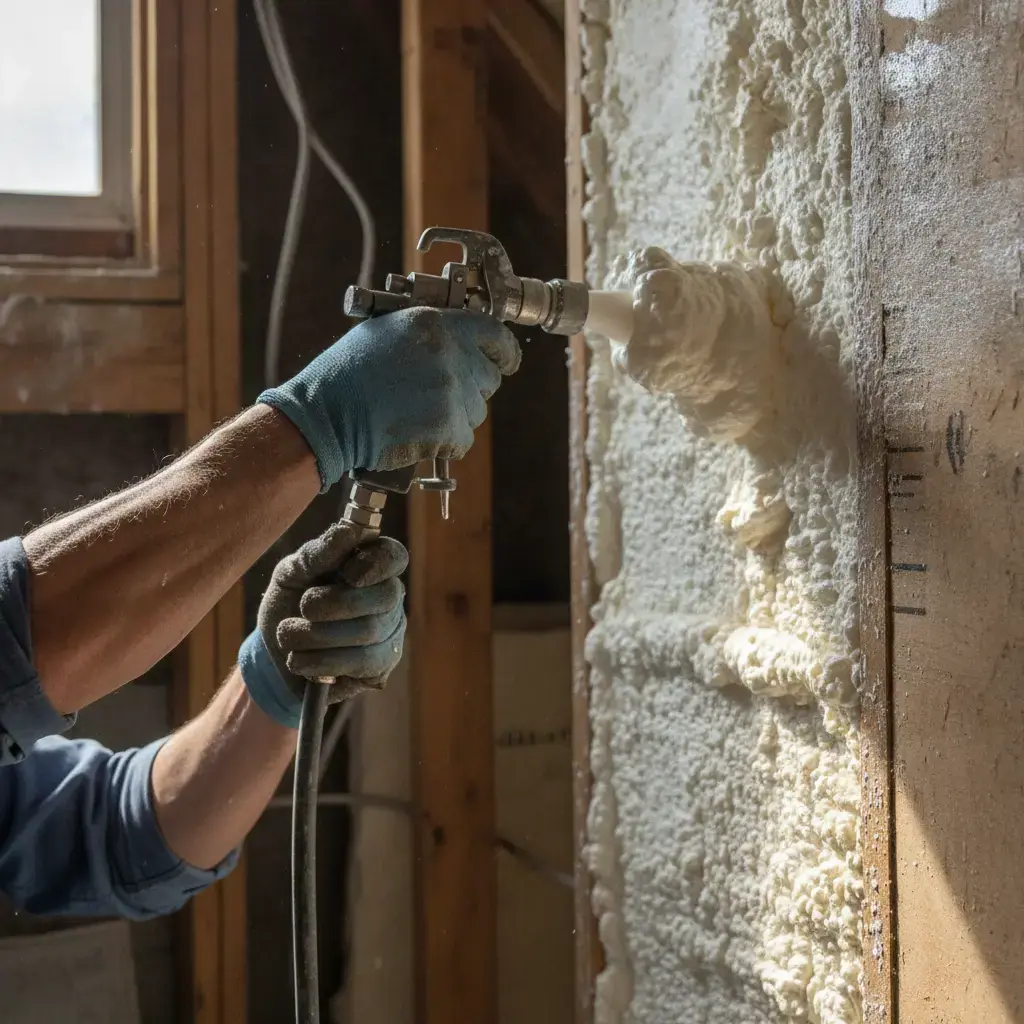
Mineral wool insulation is a high-performance, fire-resistant insulation material made from natural rock or industrial slag that is spun into dense, resilient fibers. At Home Comfort Insulation, we specialize in delivering professional mineral wool insulation installation to homeowners and business owners throughout Orange, California.
Orange presents unique insulation demands. The city’s Mediterranean climate brings scorching summers that regularly push temperatures above 95°F, combined with mild but occasionally damp winters that can challenge standard insulation materials. Historic homes in Old Towne Orange, newer construction near Chapman Avenue, and mid-century properties across the city all require tailored insulation strategies to maximize energy efficiency and indoor comfort.
Read moreShow less
Our team at Home Comfort Insulation brings deep familiarity with Orange’s diverse housing stock, local building codes, and climate-specific performance requirements. Whether you’re upgrading an older bungalow or insulating a newly constructed home, we deliver mineral wool solutions built for Southern California’s demanding environment. Call us today at (714) 909-2175 to schedule your free consultation.
Understanding Mineral Wool Insulation
Mineral wool insulation — also commonly called rock wool or stone wool — is one of the oldest and most reliable insulation materials available to modern builders and homeowners. Its origins trace back to the late 19th century when manufacturers discovered that molten rock could be spun into fine fibers capable of trapping heat and sound. Today, two primary types exist: rock wool, made from volcanic basalt, and slag wool, manufactured from the byproduct of steel production. Both deliver exceptional thermal and acoustic performance.
The material is produced by melting rock or industrial slag at temperatures exceeding 2,900°F and then spinning the molten material into fine, wool-like fibers. These fibers are then compressed into batts, boards, or loose-fill formats that can be applied in walls, attics, floors, and crawl spaces. The resulting product has a natural density that resists compression over time, meaning it maintains its R-value — its thermal resistance rating — far longer than many competing materials.
Read moreShow less
In a city like Orange, CA, where the housing stock spans everything from Craftsman bungalows built in the 1920s near El Modena to contemporary tract homes constructed in the 1980s and 1990s near Serrano Avenue, mineral wool’s versatility is particularly valuable. It can be cut and friction-fit into irregular cavities common in older construction, installed in standard wall bays of newer homes, or blown into attic spaces with equal effectiveness.
Mineral wool achieves R-values ranging from R-15 to R-30 per standard installation depending on thickness and format. It is naturally non-combustible, resisting temperatures up to approximately 1,800°F, which is a critical feature in fire-prone Southern California. It is also inherently resistant to moisture absorption, mold growth, and pest infestation — three challenges that are especially relevant in Orange’s warm, occasionally humid coastal-adjacent climate. The material does not require chemical fire retardants because its inorganic composition simply does not support combustion.
For homeowners looking at long-term building performance, mineral wool represents one of the most durable and health-conscious insulation options available. Learn more about our full insulation installation services
Why Mineral Wool Insulation Is Needed in Orange, CA
Extreme Temperature Swings
Orange experiences average summer highs between 90°F and 98°F, with inland heat events regularly pushing attic temperatures above 140°F during peak July and August afternoons. The Santa Ana winds — which historically gust through the area every fall and winter, often exceeding 50 mph — drive hot, dry air through any gap or thermal weakness in a building’s envelope. During the October 2007 Southern California firestorm event, areas across Orange County faced fire-driven conditions that highlighted the desperate need for fire-resistant building materials in local homes. Mineral wool, with its non-combustible fiber structure, directly addresses this risk in ways that fiberglass and cellulose insulation cannot.
Old Towne Orange’s Historic Housing Stock
The Old Towne Orange Historic District — centered around Chapman Avenue and Glassell Street — contains one of the largest concentrations of pre-1940 residential architecture in Southern California. Many of these homes were built with no wall insulation at all, or with degraded horsehair and paper-based materials that have lost all thermal value over the past 80 to 100 years. The narrow and irregular wall cavities in these Craftsman and Victorian-era structures require a flexible, cuttable insulation product that won’t sag or compress — precisely the profile that mineral wool batts fulfill.
Crawl Space and Moisture Vulnerability
Neighborhoods like Orange Park Acres and Peralta Hills, where larger estate-style homes often sit on elevated terrain with exposed crawl spaces, face seasonal ground moisture intrusion. Orange’s clay-heavy soils — classified largely as Ramona and Hanford loam series by the USDA Web Soil Survey — retain moisture during winter rains and release it slowly, creating persistent humidity beneath floors. Standard fiberglass batts absorb this moisture and sag, losing as much as 40% of their R-value. Mineral wool repels moisture while maintaining structural integrity, making it the superior choice for these under-floor applications.
Energy Code Compliance Pressure
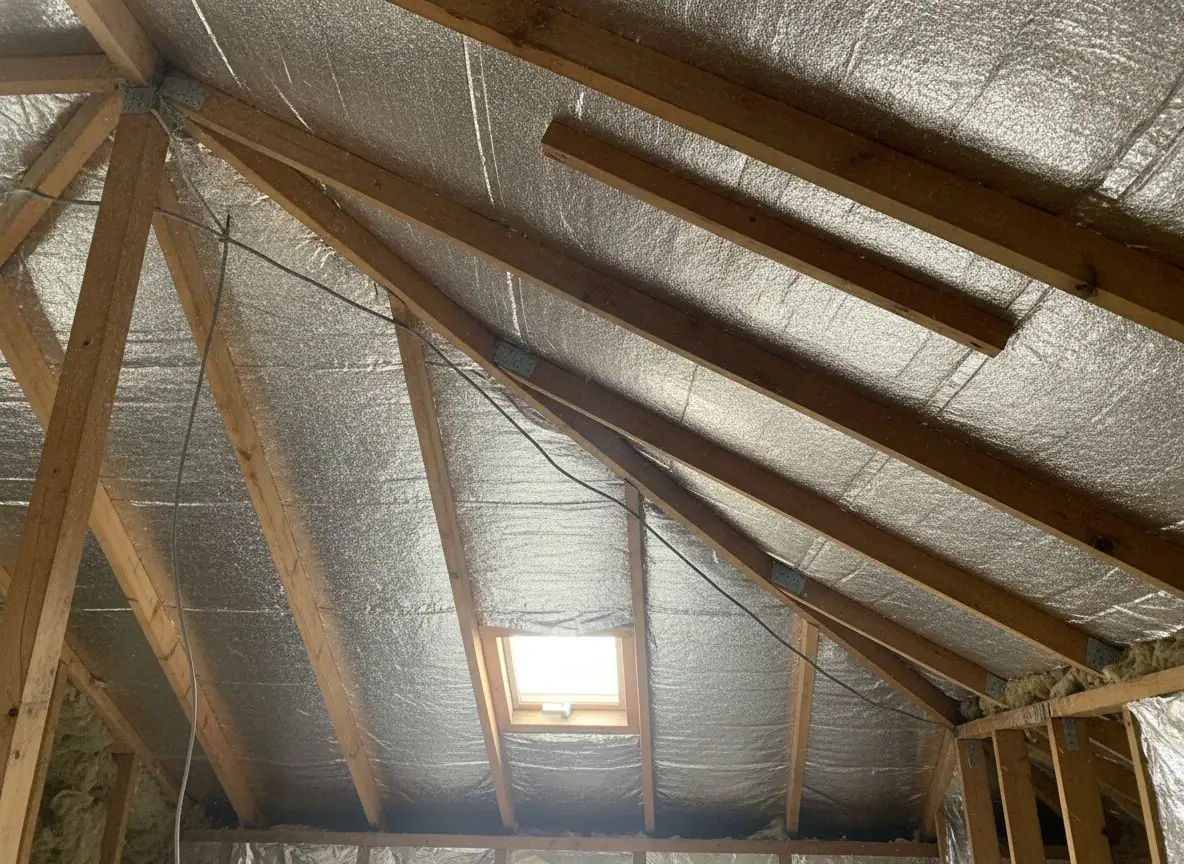
California’s Title 24 Building Energy Efficiency Standards have become progressively more demanding, and the 2022 update — now in full enforcement — requires higher minimum R-values for walls, attics, and floors throughout Climate Zone 8, which covers the City of Orange. Homes undergoing renovation, room additions, or HVAC replacements now trigger insulation upgrade requirements. Mineral wool’s superior R-value per inch compared to standard fiberglass allows homeowners to meet Title 24 thresholds without requiring wall thickness modifications, which is particularly beneficial in older homes where structural changes are costly. Explore our attic insulation solutions for Orange homes
Acoustic Performance in Urban Corridors
Properties near State Route 55 (the Costa Mesa Freeway), Chapman University’s campus, and the commercial corridors along Lincoln Avenue face significant traffic and activity noise. Mineral wool’s dense fiber matrix delivers Sound Transmission Class (STC) ratings 10 to 15 points higher than comparable fiberglass products, making it the preferred choice for noise-sensitive applications throughout Orange’s busier neighborhoods.
Free, no-obligation estimates
Talk to Home Comfort Insulation
Tell us what you need and we’ll take it from there.
Signs You Need Mineral Wool Insulation in Orange
Thermal Comfort Complaints
- Rooms that feel noticeably hotter than others during Orange’s summer afternoons, especially south-facing bedrooms
- Cold floors during winter mornings in homes with crawl spaces
- Drafts near wall outlets, window frames, or exterior door frames during Santa Ana wind events
- HVAC system running continuously during summer without achieving set temperature
Energy and Cost Indicators
- Monthly utility bills from Southern California Edison that have increased more than 15% year-over-year without corresponding rate changes
- Energy audit results showing thermal imaging hot spots on exterior walls or attic ceilings
- Home built before 1980 with no documented insulation upgrade history
Physical and Structural Signs
- Sagging or discolored insulation visible in attic spaces
- Pest activity (rodents, insects) in existing insulation material, particularly in crawl spaces
- Water staining on insulation batts after winter rains
- Visible mold growth near exterior walls or in attic areas
Urgency Indicators
If your home was built before 1978 and has never had insulation replaced, or if you detect musty odors in enclosed spaces after rainfall, contact Home Comfort Insulation immediately at (714) 909-2175. These are signs that existing insulation may be compromised and could be harboring mold or pests. Learn about our insulation removal and replacement services
Our process
Our Mineral Wool Insulation Process in Orange
- 01
Initial Consultation and Site Assessment (Day 1 — 1 to 2 Hours)
Our technician visits your Orange property to conduct a thorough walkthrough. We inspect attic access, crawl space conditions, wall cavity types, and existing insulation materials. We also review your home’s orientation relative to the sun and identify exposur
- 02
Energy Audit and Thermal Mapping (Day 1 — 1 Hour)
Using infrared thermal cameras, we identify heat loss and gain zones specific to your home’s layout. Homes near the SR-55 corridor or in sun-exposed neighborhoods like Santiago Hills often show distinctive thermal patterns that inform our installation plan.
- 03
Proposal and Material Selection (Within 24 to 48 Hours)
We provide a detailed written proposal specifying mineral wool batt thickness, R-value targets aligned with California Title 24 requirements for Climate Zone 8, installation locations, and total cost. We explain product options, including ROCKWOOL COMFORTBATT
- 04
Existing Insulation Removal (If Applicable — Day 1 of Installation)
Where old, degraded, or contaminated insulation is present — particularly common in pre-1970s homes in Old Towne Orange — we remove and properly dispose of existing material before installation. View our insulation removal process
- 05
Air Sealing and Preparation (Day 1 — 2 to 4 Hours)
Before any insulation is placed, we seal penetrations, gaps around pipes, and attic bypasses with appropriate caulk and spray foam. This step is critical in older Orange homes where decades of settling have created numerous small air pathways.
- 06
Mineral Wool Installation (Day 1 to Day 2 — 4 to 8 Hours Depending on Scope)
Our team installs mineral wool batts or boards using friction-fit techniques that eliminate the need for adhesives in most wall and attic applications. For crawl spaces, we use moisture-resistant board formats secured to floor joists. Blow-in mineral wool is u
- 07
Final Inspection and Documentation (Day 2 — 1 Hour)
We conduct a post-installation thermal scan to verify coverage completeness and provide you with all documentation required for Title 24 compliance filings with the City of Orange Building Department.
Mineral Wool Insulation Methods and Approaches
Batt and Roll Installation
The most common method for open wall cavities and attic floors, mineral wool batts are cut to fit stud bays precisely. This approach is ideal for new construction and room additions in Orange’s growing residential corridors near Katella Avenue. Batts deliver consistent R-values between R-15 for 2×4 walls and R-23 for 2×6 construction.
Rigid Mineral Wool Board
Mineral wool boards are semi-rigid panels used for continuous insulation on exterior wall surfaces, under roofing, and in crawl spaces. This method is particularly effective for crawl space floor applications in Orange Park Acres and Peralta Hills properties where ground moisture is a persistent concern. Boards maintain their form under compression and do not absorb crawl space humidity.
Loose-Fill Blow-In Mineral Wool
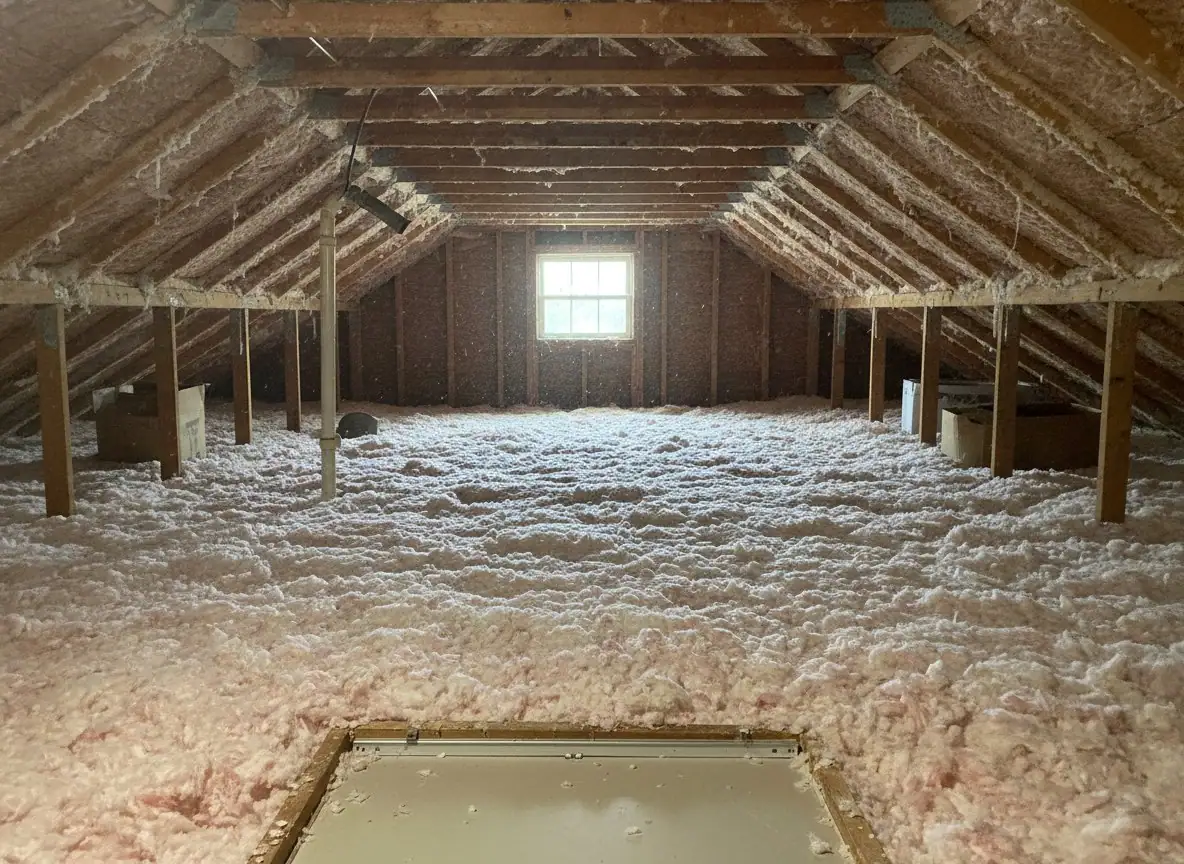
For attic spaces with existing finished flooring or difficult access, loose-fill mineral wool is blown in using specialized equipment. This method allows thorough coverage of irregular attic geometries common in Orange’s older split-level and ranch-style homes. Learn more about our blow-in insulation services
Hybrid Mineral Wool and Spray Foam Systems
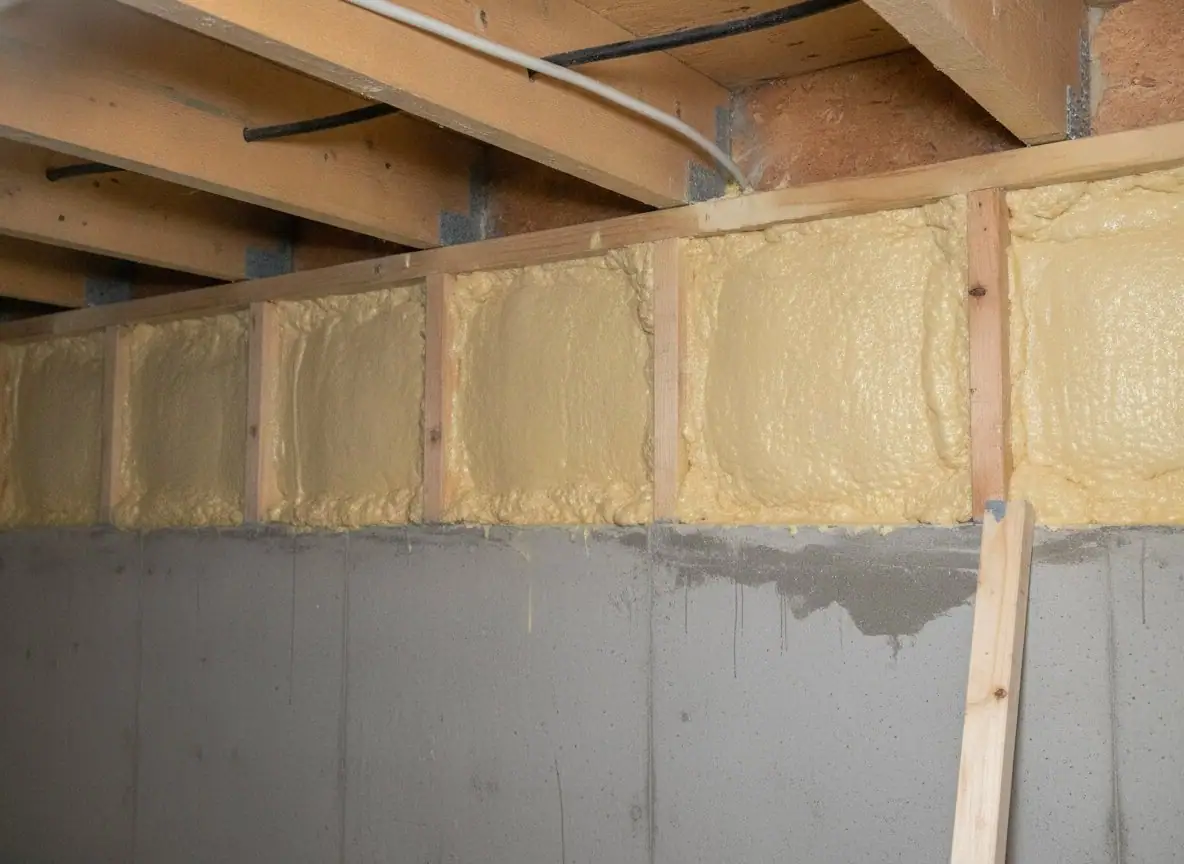
In some applications — particularly homes near the SR-55 and SR-22 interchange where both thermal and acoustic performance are priorities — we combine a closed-cell spray foam air barrier with mineral wool fill insulation. This hybrid system delivers R-values exceeding R-25 in standard 2×4 walls. Explore our spray foam insulation options
Crawl Space Insulation with Encapsulation
For homes in Orange with vented crawl spaces, we often combine mineral wool floor insulation with a full vapor barrier and encapsulation system to address both thermal and moisture management simultaneously. View our crawl space encapsulation services
Mineral Wool Insulation Cost in Orange, CA
Understanding the investment required for mineral wool insulation in Orange helps homeowners plan effectively. Costs vary based on application type, home size, and existing conditions.
Typical Price Ranges
- Attic Mineral Wool Insulation: $1.50 to $3.00 per square foot installed, with an average 1,500-square-foot attic costing between $2,250 and $4,500
- Wall Mineral Wool Batts (Open Cavity): $1.80 to $3.50 per square foot installed
- Crawl Space Mineral Wool Board Insulation: $2.00 to $4.00 per square foot installed
- Blow-In Mineral Wool (Attic): $1.75 to $3.25 per square foot depending on target R-value
- Insulation Removal (Prior to Installation): $1.00 to $2.50 per square foot for old material removal and disposal
Read moreShow less
Factors Affecting Mineral Wool Insulation Cost in Orange
- Home Age: Pre-1950 homes in Old Towne Orange often require additional labor for irregular cavity work, increasing costs by 15% to 25%
- Accessibility: Low-clearance attics or crawl spaces increase installation time and cost
- R-Value Target: Meeting California Title 24 R-38 attic minimums requires greater material volume than basic installations
- Existing Insulation Condition: Contaminated or water-damaged insulation removal adds to total project cost
Orange-Specific Pricing Notes
Orange County labor rates tend to run 10% to 20% higher than California’s inland regions due to cost of living. However, California’s Energy Upgrade program and utility rebates from Southern California Edison can offset 10% to 30% of qualifying project costs. Call us at (714) 909-2175 for a precise, no-obligation quote tailored to your property.
Neighborhoods We Serve in Orange, CA
Old Towne Orange
The historic core surrounding Chapman Avenue and Glassell Street features homes dating from 1905 through the 1940s. These properties frequently have no original wall insulation and require careful batt installation to preserve historic plaster walls. Our team is experienced in retrofit techniques that avoid drywall removal where possible.
Orange Park Acres
This semi-rural, equestrian-zoned neighborhood features larger estate homes, many built in the 1960s through 1980s, with expansive crawl spaces and attic areas. Ground moisture from the area’s clay soil and seasonal hillside drainage makes mineral wool’s moisture resistance especially valuable here.
Santiago Hills
Located on Orange’s eastern hillside terrain, Santiago Hills homes from the 1980s and 1990s experience significant sun exposure and benefit greatly from upgraded attic insulation. The neighborhood’s exposure to offshore-to-inland wind patterns also makes air sealing in conjunction with mineral wool installation a priority.
Serrano Heights
A newer development community with homes primarily built in the late 1990s and early 2000s, Serrano Heights properties are generally well-insulated but benefit from mineral wool upgrades to meet current Title 24 standards and reduce noise from nearby SR-241 traffic.
Mineral Wool Insulation Maintenance Tips for Orange Homeowners
- Annual Attic Inspection: Every fall before Santa Ana wind season, inspect attic insulation for displacement, compression, or signs of pest activity. Orange’s dry autumn conditions make this the ideal inspection window.
- Check After Major Wind Events: Following high-wind events exceeding 40 mph — common in October and November — inspect attic vents and eaves for insulation displacement near access points.
- Monitor Crawl Space Humidity: After winter rains (November through March), check crawl space vapor barriers for pooling or condensation. Mineral wool board retains its R-value when wet, but standing water indicates a drainage issue requiring attention.
- Seal New Penetrations Promptly: Any new electrical, plumbing, or HVAC work that penetrates insulated areas should be re-sealed immediately to prevent air leaks and thermal bridging.
- Verify Attic Ventilation: Proper soffit and ridge ventilation prevents heat buildup that degrades roofing materials and works in tandem with mineral wool to manage attic temperatures.
- Keep Insulation Dry: Address any roof leaks or plumbing drips immediately, as persistent moisture — even though mineral wool resists absorption — can create mold conditions on surrounding wood framing.
- Schedule a Professional Inspection Every 5 Years: Call Home Comfort Insulation at (714) 909-2175 for a periodic professional assessment to ensure your system continues to meet Title 24 performance standards.
Why Choose Home Comfort Insulation in Orange, CA
Home Comfort Insulation is a locally operated insulation company with deep roots in the Orange, CA community. We understand the specific climate demands, housing stock variety, and building code requirements that make insulation installation in Orange different from work performed anywhere else in Southern California.
Our technicians are trained specifically in mineral wool installation techniques appropriate for both historic and modern construction. We carry full liability insurance and maintain compliance with all City of Orange and State of California contractor requirements. Every project we undertake includes a thorough post-installation inspection and thermal imaging verification so you have documented proof of performance — documentation that can support Title 24 compliance filings and future home sale disclosures.
Read moreShow less
We also assist our Orange clients in identifying and applying for available Southern California Edison rebate programs and California Energy Upgrade incentives that can meaningfully reduce your net project investment. Our straightforward, honest pricing means no hidden fees and no surprise charges on installation day.
Ready to improve your home’s comfort and energy performance? Contact Home Comfort Insulation at (714) 909-2175 today. Learn about our insulation replacement services
FAQ
Frequently Asked Questions About Mineral Wool Insulation in Orange, CA
How much does mineral wool insulation cost in Orange, CA?
In Orange, CA, mineral wool insulation typically costs between $1.50 and $4.00 per square foot installed, depending on the application (attic, wall, or crawl space), the R-value required, and whether existing insulation removal is needed. A complete attic insulation project for an average 1,500-square-foot Orange home generally ranges from $2,250 to $4,500. Contact us at (714) 909-2175 for a free, site-specific estimate.
Is mineral wool insulation better than fiberglass for Orange’s climate?
For most Orange homeowners, yes. Mineral wool outperforms fiberglass in several ways that are directly relevant to Orange’s climate: it maintains its R-value when exposed to the humidity common in crawl spaces, it resists the compression that occurs in high-temperature attics during Orange’s summers, and it provides significantly better fire resistance — an important consideration given Southern California’s wildfire environment and Santa Ana wind fire risk.
How long does mineral wool insulation installation take in Orange?
Most residential mineral wool insulation projects in Orange are completed in one to two days. Attic-only projects typically take four to six hours. Full home installations including walls, attic, and crawl space may take two full days. Homes in Old Towne Orange with irregular historic framing may require additional time for custom batt fitting.
Does mineral wool insulation help with noise from traffic near SR-55?
Yes, significantly. Mineral wool’s dense fiber structure delivers Sound Transmission Class (STC) ratings 10 to 15 points higher than standard fiberglass batts. For homes near the SR-55 corridor, Chapman University, or Lincoln Avenue’s commercial zones, mineral wool in walls and floors can noticeably reduce intrusive exterior noise. We offer the ROCKWOOL Safe’n’Sound product line specifically for acoustic applications.
Can mineral wool insulation help me meet California Title 24 requirements?
Yes. California’s Title 24 Energy Standards for Climate Zone 8 (which includes Orange) require minimum R-38 in attics and R-13 or R-15 in walls for new and renovated construction. Mineral wool batts deliver these values efficiently, and our team provides all documentation required for Title 24 compliance filings with the City of Orange Building Department.
Is mineral wool safe for my family and pets?
Modern mineral wool insulation products are classified as non-carcinogenic by the International Agency for Research on Cancer (IARC) and are safe for residential use. The material does not off-gas chemical compounds, making it a healthier choice than some spray foam formulations. Once installed and covered by drywall or a vapor barrier, mineral wool presents no exposure risk to building occupants.
Do you offer insulation removal before installing mineral wool in older Orange homes?
Yes. We frequently perform insulation removal and replacement in older Orange properties, particularly in Old Towne Orange where original insulation materials have degraded or become contaminated. Our team handles safe removal and proper disposal before installing new mineral wool. Learn more about our insulation removal service
What rebates are available for mineral wool insulation installation in Orange, CA?
Southern California Edison offers rebates through its Energy Efficiency programs for qualifying insulation upgrades. The California Energy Upgrade CA program also provides financial incentives for whole-home energy improvements that include insulation upgrades. Rebate availability and amounts change periodically. Our team will help you identify and apply for all programs you qualify for at the time of your project.
Get a Free Mineral Wool Insulation Quote in Orange, CA Today
Whether you live in a century-old Craftsman in Old Towne Orange, a sprawling estate in Orange Park Acres, or a newer home in Santiago Hills, Home Comfort Insulation has the expertise and the right products to significantly improve your home’s energy efficiency, fire safety, and acoustic comfort.
Mineral wool insulation is one of the smartest long-term investments you can make in your Orange, CA home — and our team makes the process straightforward from first call to final inspection. Don’t let another Orange County summer strain your HVAC system and your energy budget.
Call Home Comfort Insulation now at (714) 909-2175 to schedule your free, no-obligation site assessment. You can also reach out through our contact page to request an online estimate. We proudly serve Orange and surrounding Orange County communities with honest pricing, expert installation, and lasting results.
Request your free insulation estimate online
Get in touch
Find insulation help near you
Request a free estimate online or give us a call — our team will follow up quickly.
- Call us(714) 909-2175
- Visit1650 N Glassell St, Orange, CA 92867
- HoursMon-Sun 07:00-19:00