Duct Insulation in Orange, CA
Energy-Saving Duct Insulation for Orange, CA Homes — Licensed & Insured
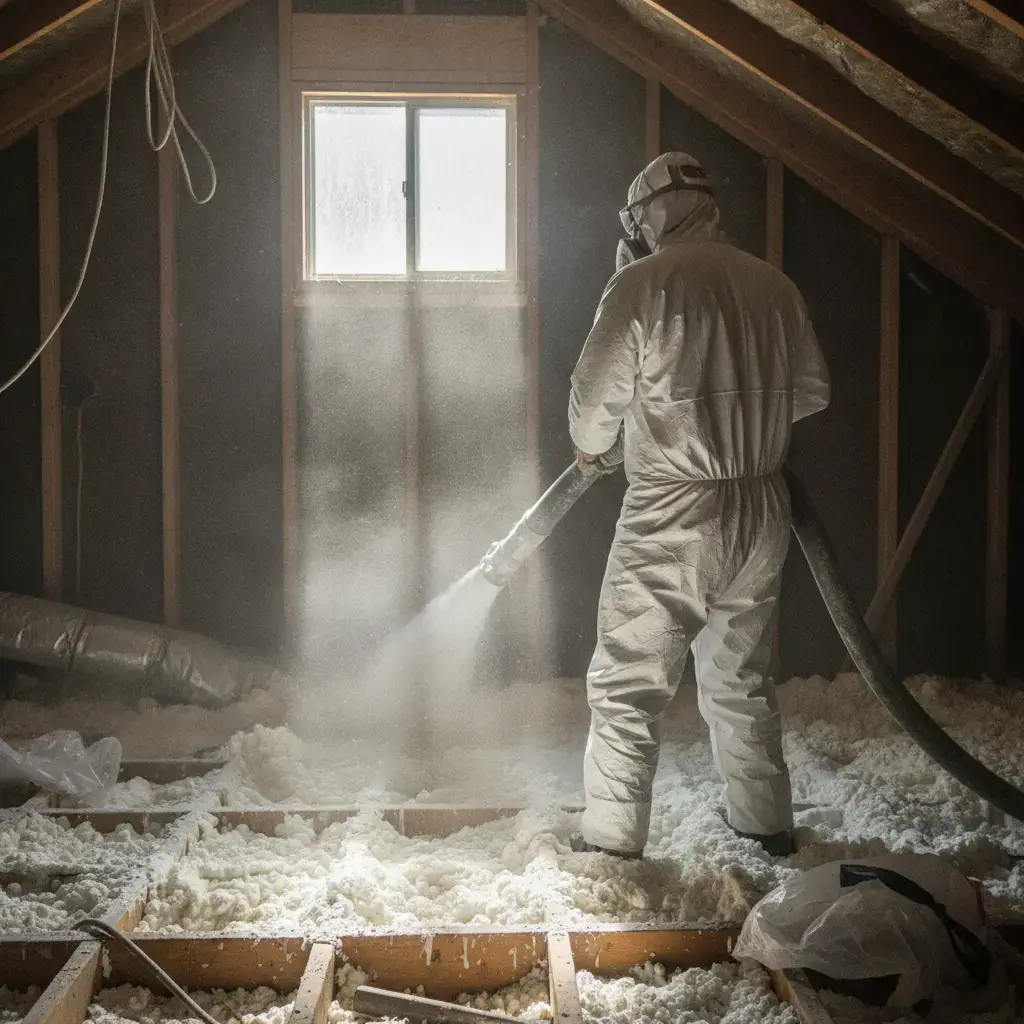
Duct insulation is the process of wrapping or lining your HVAC air distribution system with thermal and acoustic insulating materials to prevent energy loss, condensation, and temperature fluctuations as conditioned air travels through your home. In Orange, CA — where summer temperatures routinely climb past 95°F and inland heat events push attic spaces well above 130°F — uninsulated or under-insulated ducts can lose 20 to 30 percent of your conditioned air before it ever reaches a living space.
At Home Comfort Insulation, we specialize in professional duct insulation installation for residential and commercial properties throughout Orange and the surrounding communities. Our team understands the unique thermal challenges posed by Orange’s Mediterranean climate, the aging housing stock found in historic neighborhoods like Old Towne, and the oversized duct systems common in 1970s tract developments. Whether you are dealing with rising utility bills, uneven room temperatures, or sweating ductwork in a crawl space, we bring the local knowledge and technical expertise to deliver lasting comfort improvements.
Call us today at (714) 909-2175 to schedule your free duct insulation assessment.

Understanding Duct Insulation
Your home’s duct system functions as the circulatory network of your HVAC system, carrying heated or cooled air from your central unit to every room in the building. When those ducts pass through unconditioned spaces — attics, crawl spaces, garages, or interior wall cavities — they are exposed to extreme temperatures that work against the air inside them. Duct insulation creates a thermal barrier that keeps conditioned air at its target temperature from the moment it leaves the air handler to the moment it exits a register.
The concept of insulating ductwork dates to the mid-20th century, when post-war housing construction in Southern California expanded rapidly and builders began routing sheet-metal ducts through hot attic spaces to serve the sprawling single-story ranch homes that defined the era. Early insulation attempts used fiberglass batting wrapped loosely around rectangular ducts, but inconsistent installation led to gaps, compression, and moisture infiltration. Modern duct insulation has evolved significantly, incorporating flexible duct board, spray-applied foam, and reflective radiant barriers that work together to achieve R-values between R-6 and R-12 as recommended by California Title 24 energy codes.
Read moreShow less
In Orange specifically, the building landscape is highly diverse. You will find Craftsman bungalows and Victorian-era homes concentrated around the Old Towne Orange Historic District, mid-century ranch houses in neighborhoods like Serrano Heights, and contemporary two-story tract developments in areas adjacent to Chapman University. Each building type presents different duct routing challenges: older homes often have undersized, leaky duct systems that were retrofitted rather than designed, while newer construction may have code-compliant ducts that have nonetheless degraded due to heat cycling and seismic movement.
Proper duct insulation is not simply a comfort upgrade — it is an energy compliance issue in California. Title 24 of the California Building Standards Code mandates minimum R-6 insulation for ducts located in unconditioned spaces. Many Orange homes built before 1978 fall well below this standard, and upgrading them is one of the highest-return energy investments a homeowner can make. Learn more about our attic insulation services that complement duct insulation for maximum efficiency.
Why Duct Insulation Is Needed in Orange, CA
Extreme Attic Temperatures
Orange experiences a hot-summer Mediterranean climate (Köppen classification Csa) with average July highs of 93°F in inland areas near the 55 Freeway corridor. However, ambient air temperature tells only part of the story. Attic temperatures in Orange’s single-story homes routinely reach 140°F to 160°F during peak afternoon heat from June through September. When flexible ductwork rated for R-4.2 insulation is exposed to a 150°F attic while carrying 55°F conditioned air, the temperature differential across the duct wall exceeds 95 degrees — driving enormous conductive heat gain into the airstream. Studies by the California Energy Commission have shown that ducts in such conditions can deliver air that has warmed 10°F to 15°F above the thermostat setting before it reaches the register.
Santa Ana Wind Events
Orange County experiences recurring Santa Ana wind events, typically between October and March, that dramatically lower relative humidity to single-digit percentages while raising temperatures 10°F to 20°F above seasonal norms. The October 2017 Canyon Fire 2, which burned through areas of Anaheim Hills adjacent to Orange’s eastern boundary, was driven by Santa Ana conditions with wind gusts exceeding 60 mph. These wind events also infiltrate building envelopes, pressurizing attic spaces and forcing unconditioned air through duct leaks. Without proper insulation and sealing, duct systems can draw in superheated, dry attic air that immediately degrades your HVAC system’s efficiency.
Aging Housing Stock and Original Duct Materials
A significant portion of Orange’s residential housing was built between 1955 and 1979. During this period, fiberglass duct wrap was applied at thicknesses of only 1 inch, yielding R-values of approximately R-2 to R-3 — less than half the current Title 24 minimum. Over 40 to 60 years of thermal cycling, these original insulation materials have compressed, separated at seams, and in many cases absorbed enough moisture from winter condensation cycles to become thermally negligible. In the Villa Park and Serrano Heights areas, inspections routinely reveal original fiberglass wrap that has fallen away entirely from the duct exterior.
Crawl Space Humidity and Condensation
Homes in lower-lying sections of Orange, particularly in areas near the Santiago Creek corridor and the older neighborhoods south of Chapman Avenue, have shallow crawl spaces that collect ground moisture. When cold supply ducts pass through warm, humid crawl spaces during summer cooling season, condensation forms on the outside of under-insulated ducts. This moisture saturates insulation, promotes mold growth on duct exteriors and subfloor framing, and can eventually corrode sheet-metal ductwork. Our crawl space encapsulation services address the root moisture source and pair effectively with duct insulation upgrades.
Seismic Activity
Orange County sits near several active fault systems, including the Whittier Fault approximately 8 miles northwest of the city center. The 1987 Whittier Narrows earthquake (magnitude 5.9) and numerous smaller seismic events since have introduced micro-movement in building framing that gradually opens gaps at duct connections and tears flexible insulation jackets at flex duct bends. Annual seismic activity in the region creates cumulative duct degradation that standard maintenance inspections often miss.
Free, no-obligation estimates
Talk to Home Comfort Insulation
Tell us what you need and we’ll take it from there.
Signs You Need Duct Insulation in Orange
Energy and Comfort Indicators
- Monthly electricity bills exceeding $180 to $220 during summer months for an average 1,500 square-foot Orange home
- Rooms farthest from the air handler — typically bedrooms at the end of a hallway — that never cool below 78°F even when the thermostat is set to 72°F
- HVAC system running continuously for 20 or more minutes per cycle without reaching the set temperature
- Noticeable temperature difference of more than 4°F between the air at a register and the thermostat setting
Physical and Visual Symptoms
- Condensation or water stains on supply registers or the ceiling directly above them during summer cooling season
- Visible sagging, torn, or missing insulation jacket on flex ducts visible in the attic
- Dusty or musty odors emanating from supply registers, indicating air is being drawn through uninsulated or contaminated attic ducts
- Rust streaks or discoloration on sheet-metal duct sections in the crawl space or basement
Urgency Indicators
- Any visible mold growth on duct exteriors or surrounding wood framing — this requires immediate remediation
- Insulation that crumbles or disintegrates when touched, indicating age-related breakdown
- Homes built before 1978 that have never had duct insulation upgraded
Our process
Our Duct Insulation Process in Orange, CA
Every duct insulation project at Home Comfort Insulation follows a structured, seven-step process designed to maximize efficiency and durability in Orange’s specific climate conditions.
- 01
Initial Assessment and Energy Audit (1–2 Hours)
Our technicians begin with a thorough visual inspection of all accessible ductwork in the attic, crawl space, and interior spaces. We use thermal imaging cameras to identify temperature differentials across duct walls and infrared leakage points. We document e
- 02
Duct Leakage Testing (30–60 Minutes)
Before insulating, we conduct a duct blaster pressurization test to quantify total system leakage. Many Orange homes built in the 1960s and 1970s have leakage rates of 25 to 40 percent of total system airflow. Insulating leaky ducts without sealing them first
- 03
Duct Sealing and Repair (2–4 Hours Depending on System Size)
We seal all identified leakage points using UL 181-rated mastic sealant applied by hand or brush, reinforced with fiberglass mesh tape at major connections. For heavily damaged flex duct sections, we recommend full replacement before insulating. This step alon
- 04
Insulation Material Selection and Preparation (30 Minutes)
Based on attic temperature data, duct routing, and the Title 24 requirements for Orange County, we select the appropriate insulation product and thickness. For most Orange attics requiring R-8 or greater, we use pre-insulated flexible duct with factory-applied
- 05
Insulation Installation (4–8 Hours for Average Home)
Technicians apply insulation continuously along each duct run, ensuring no compression at bends or supports. All seams in insulation jackets are sealed with foil tape rated for high-temperature applications — critical given Orange attic temperatures. We pay pa
- 06
Quality Control Inspection (1 Hour)
After installation, we conduct a second thermal imaging sweep to confirm uniform coverage and identify any missed areas. We re-run the duct blaster test to document post-installation leakage reduction and verify that the installed R-value meets or exceeds Titl
- 07
Documentation and Client Walkthrough (30 Minutes)
We provide you with a written report including before-and-after leakage test results, installed R-values, materials used, and photos of completed work for your records and any future permit requirements.
Duct Insulation Methods and Approaches
Flexible Pre-Insulated Duct Replacement
For duct systems with significant age-related deterioration, the most effective approach is full replacement with modern flexible duct that carries a factory-applied insulation jacket rated at R-6 or R-8. This method is ideal for the numerous 1960s and 1970s ranch homes in Orange’s central neighborhoods where original duct materials have exceeded their service life. Replacement provides a clean, integrated insulation and duct system with predictable performance.
Duct Wrap with Fiberglass or Mineral Wool Batts
For existing hard-ducted systems with rigid sheet-metal trunks and branches in good structural condition, we apply high-density fiberglass or mineral wool duct wrap to achieve target R-values. This approach is commonly used in older two-story homes near Chapman University where larger rectangular ducts serve multi-zone systems. Mineral wool is preferred in crawl space applications due to its superior moisture resistance.
Spray Foam Encapsulation
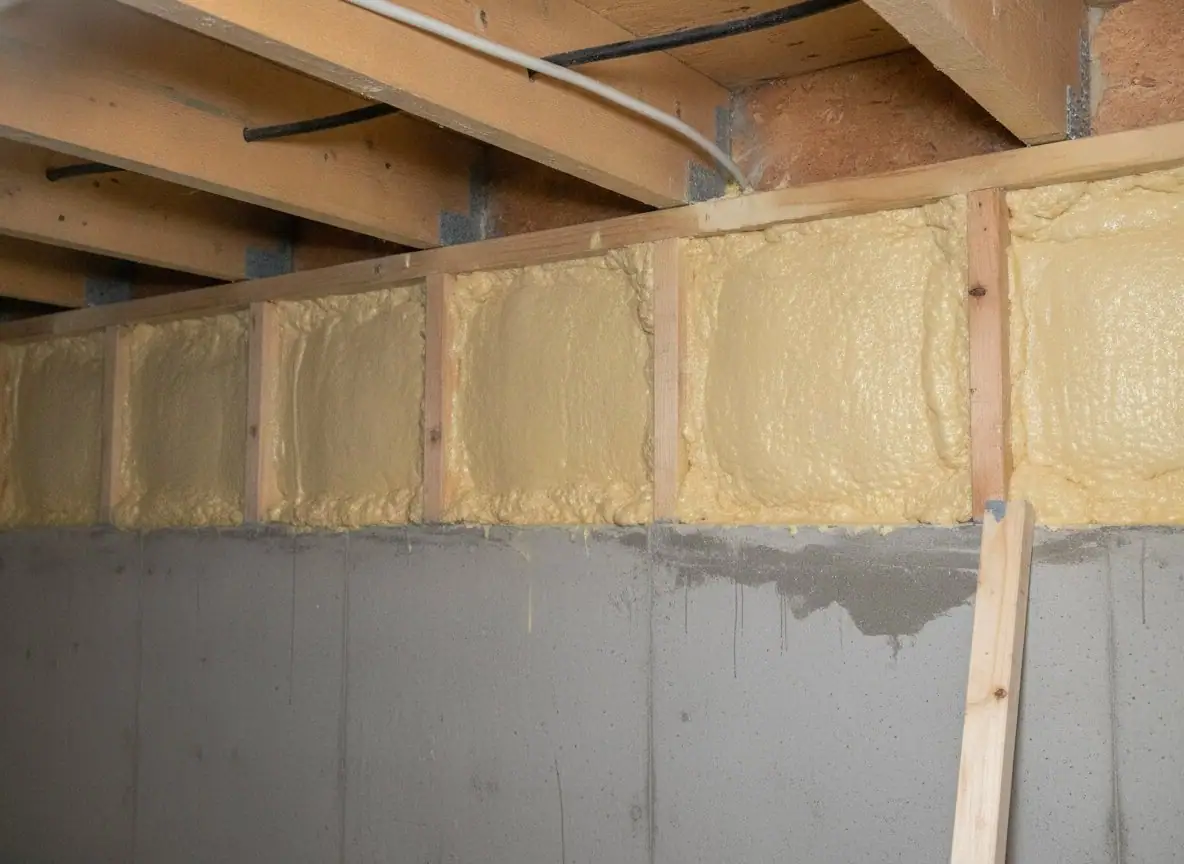
For complex duct geometries, ducts running through conditioned wall cavities, or situations where physical access is limited, spray foam insulation provides seamless coverage that conforms to any shape. Closed-cell spray foam applied at 1 to 2 inches achieves R-6 to R-13 and also provides an air and vapor barrier — particularly valuable for crawl space ducts in lower-elevation Orange neighborhoods prone to ground moisture.
Learn moreBlow-In Insulation Encapsulation
For attic duct systems where raising the entire duct network into conditioned space is not feasible, blow-in insulation can be used to bury duct runs beneath a deep layer of loose-fill cellulose or fiberglass. This effectively places the ducts within the thermal envelope of the building and is a highly cost-effective solution for single-story homes with flat, accessible attics.
Reflective Radiant Barrier Supplementation
In Orange’s highest-heat attic environments, we often combine traditional insulation with radiant barrier foil applied to the underside of roof decking to reduce solar-driven radiant heat load on duct systems by 20 to 30 percent before the insulation even needs to respond.
Duct Insulation Cost in Orange, CA
Understanding duct insulation costs helps you budget accurately and evaluate quotes. Pricing in Orange reflects local labor rates, material availability, and the complexity of typical Southern California duct systems.
Typical Price Ranges
- Basic duct wrap upgrade (existing ducts, good condition): $800 to $1,500 for an average 1,200 to 1,800 square-foot home
- Full flexible duct replacement with R-8 insulation: $2,500 to $4,500 for a complete system in a 1,500 to 2,000 square-foot single-story home
- Crawl space duct insulation with moisture barrier: $1,200 to $2,800 depending on crawl space depth and linear footage of ductwork
- Spray foam duct encapsulation: $1,800 to $3,500 for complex systems or limited-access areas
- Blow-in encapsulation of attic ducts: $600 to $1,200 as an add-on to an existing attic insulation project
Read moreShow less
Factors That Affect Your Cost
Several variables influence the final price of your project. Attic access difficulty — a significant factor in older Orange homes with low-pitch rooflines common in the historic district — adds labor time. Total linear footage of ductwork, current condition requiring repair or replacement before insulating, number of stories, and whether asbestos testing is required for pre-1980 homes all affect pricing. Orange County permit fees, typically $150 to $300 for HVAC-related work, may apply to full duct replacement projects.
Return on Investment
Orange homeowners report average annual energy savings of $350 to $600 following complete duct insulation and sealing upgrades. At those savings rates, most projects pay back their installation cost within 4 to 7 years. Southern California Edison also periodically offers rebates of $50 to $200 for qualifying duct sealing projects — ask us about current incentive programs when you call.
Contact us at (714) 909-2175 for a detailed, no-obligation quote tailored to your specific home.
Neighborhoods We Serve in Orange, CA
Old Towne Orange Historic District
The Historic District surrounding Orange Circle contains some of the oldest residential structures in Orange County, with many homes dating to the 1900s through 1930s. These Craftsman bungalows and California ranches feature original duct retrofits from the 1950s and 1960s that have long surpassed their service life. Our team is experienced in working within historic homes where access is restricted and original materials require careful handling.
Serrano Heights and Belmont
Located in northeastern Orange near the 241 Toll Road, Serrano Heights features primarily late-1990s to early-2000s construction with two-story layouts and complex multi-zone duct systems. These homes often have ducts routed through unconditioned interstitial framing spaces that require specialized access techniques and targeted spray foam application.
Villa Park Adjacent / Handy Creek Area
The Handy Creek corridor features mid-century single-story homes from the 1955 to 1975 era with expansive, low-pitch attics that accumulate extreme heat. These are among the highest-priority candidates for duct insulation upgrades in the city.
Chapman University Neighborhood
This central Orange area includes a mix of rental conversions and owner-occupied homes from multiple eras. Older duct systems in rental properties are frequently neglected, and our insulation removal and replacement services are commonly needed before new duct insulation can be applied.
Duct Insulation Maintenance Tips for Orange Homeowners
- Annual attic inspection: Before each summer cooling season, visually inspect accessible duct runs in the attic for torn or sagging insulation jackets. Orange’s heat extremes accelerate insulation jacket degradation at flex duct bends.
- Change HVAC filters every 60 days: Dirty filters increase static pressure, stressing duct connections and accelerating leakage at joints. During high-wind Santa Ana events, inspect and replace filters more frequently.
- Monitor energy bills seasonally: A sudden increase in your Southern California Edison bill without a change in usage patterns often signals new duct leakage or insulation failure.
- Check crawl space after winter rains: Orange’s wet winters (December through March) can introduce standing water under homes near the Santiago Creek area. Inspect crawl space ducts for moisture accumulation after significant rainfall events.
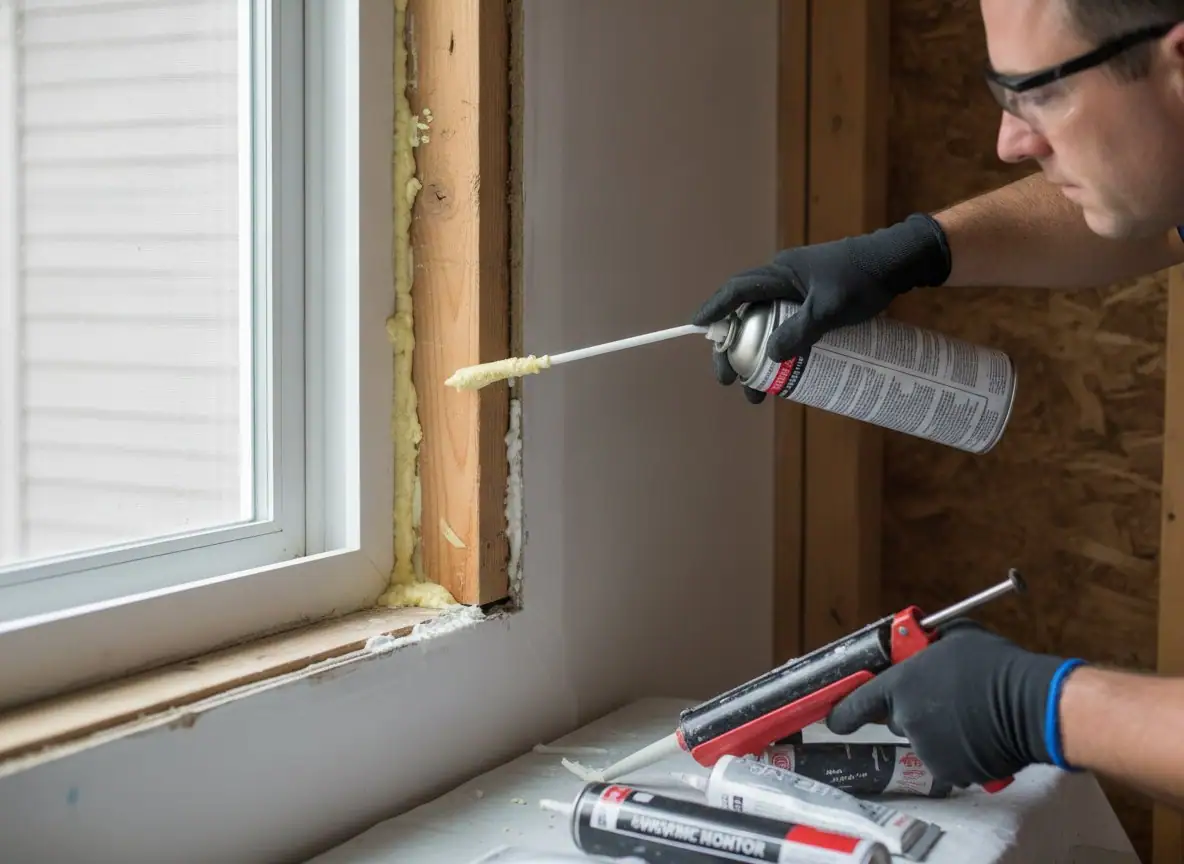
- Seal attic bypasses annually: Gaps around plumbing and electrical penetrations into the attic allow hot attic air to contact ducts. Sealing these with canned foam takes minutes but dramatically reduces duct heat exposure.
- Schedule professional duct leakage testing every 5 years: Seismic micro-movement and thermal cycling gradually open duct connections. Professional blaster testing catches leakage before it becomes severe.
- Keep attic ventilation clear: Ensure soffit vents remain unobstructed to allow airflow that reduces attic temperatures and extends duct insulation life.
Why Choose Home Comfort Insulation for Duct Insulation in Orange
Home Comfort Insulation has built its reputation serving Orange and the surrounding communities with honest assessments, quality materials, and meticulous installation. We do not apply a one-size-fits-all solution to duct insulation — every home in Orange has a unique combination of building era, duct configuration, and climate exposure that requires a customized approach.
Our technicians are trained specifically on Southern California building conditions, including the thermal demands of Orange County’s inland valleys, the moisture challenges of low-lying crawl spaces, and the access constraints common in historic homes. We use thermal imaging equipment and quantitative duct blaster testing on every project, not as upsells, but as standard practice, because we believe you deserve measurable proof that the work is done correctly.
Read moreShow less
We offer a comprehensive suite of related insulation services — attic insulation, spray foam insulation, crawl space insulation, insulation removal, and blow-in insulation — so we can address your home’s entire thermal envelope in a coordinated, efficient manner rather than applying piecemeal fixes.
Call us at (714) 909-2175 to speak directly with a local duct insulation specialist who knows Orange.
FAQ
Frequently Asked Questions About Duct Insulation in Orange, CA
How much does duct insulation cost in Orange, CA?
Duct insulation in Orange typically ranges from $800 to $4,500 depending on the scope of work. A basic duct wrap upgrade for an average-sized home runs $800 to $1,500, while full duct system replacement with high-R insulation runs $2,500 to $4,500. Crawl space applications with moisture control add $1,200 to $2,800. We provide free on-site estimates so you receive a price specific to your home’s ductwork configuration and condition.
How long does duct insulation installation take?
Most residential duct insulation projects in Orange are completed in one day — typically 6 to 10 hours for an average single-story home. Larger two-story homes with complex multi-zone duct systems, common in newer Serrano Heights developments, may require two days. We provide a time estimate during your initial assessment.
Do I need a permit for duct insulation in Orange, CA?
Insulating existing ducts in place generally does not require a permit in Orange. However, full duct system replacement — which involves removing and reinstalling ductwork — typically requires an HVAC alteration permit from the City of Orange Building Division. Permit fees generally range from $150 to $300. We handle permit applications on your behalf for qualifying projects.
What R-value do I need for duct insulation in Orange?
California Title 24 requires a minimum of R-6 for ducts in unconditioned spaces such as attics and crawl spaces. However, given Orange’s extreme attic temperatures, which regularly exceed 140°F during summer heat events, we recommend R-8 as a practical minimum and R-12 for ducts with the highest heat exposure. Our thermal assessments guide the specific recommendation for your home.
Can duct insulation help with uneven temperatures in my Orange home?
Yes — uneven room temperatures are one of the most common complaints we address with duct insulation. When ducts running through a 150°F attic gain heat before air reaches distant rooms, those rooms never achieve the thermostat setpoint. Properly insulated and sealed ducts deliver air at design temperature to every room, dramatically improving whole-house temperature balance.
Is duct insulation enough, or do I also need to insulate my attic?
Duct insulation and attic insulation work together but address different problems. Duct insulation protects conditioned air in transit; attic insulation reduces heat transfer through your ceiling into living spaces. For maximum efficiency in Orange’s climate, we recommend addressing both. Learn about our attic insulation services to understand how a combined approach delivers the best return.
How do I know if my existing duct insulation has failed?
Key indicators include visible deterioration in the attic — torn, sagging, or missing insulation jacket on flex ducts — condensation on registers or ceilings during summer cooling, rising energy bills without change in usage, and HVAC systems that run excessively without reaching thermostat setpoints. Homes in Orange built before 1980 with original ductwork should be inspected as a precaution regardless of visible symptoms.
Do you serve areas outside the city of Orange?
Yes. While this page focuses on our duct insulation services in the city of Orange, Home Comfort Insulation serves the broader Orange County region. Contact us at (714) 909-2175 to confirm service availability in your specific location.
Get Your Free Duct Insulation Estimate in Orange, CA Today
Don’t let under-insulated ducts drain your budget through another Southern California summer. Home Comfort Insulation is ready to assess your home’s duct system, identify exactly where energy is being lost, and deliver a detailed, transparent quote for bringing your duct insulation up to modern performance standards.
Whether you are dealing with sky-high SCE bills, rooms that never cool properly, or aging ductwork you know has never been upgraded, our team has the local expertise to solve it right — the first time.
Call us now at (714) 909-2175 to schedule your free, no-obligation duct insulation assessment in Orange, CA. Same-week appointments are often available. Let Home Comfort Insulation help you take control of your home’s comfort and energy costs starting today.
Get in touch
Find insulation help near you
Request a free estimate online or give us a call — our team will follow up quickly.
- Call us(714) 909-2175
- Visit1650 N Glassell St, Orange, CA 92867
- HoursMon-Sun 07:00-19:00