Understanding the true cost of blown-in insulation in Orange, CA is the first step toward making a smart, energy-efficient investment in your home. Blown-in insulation—also called loose-fill insulation—involves mechanically blowing cellulose, fiberglass, or mineral wool material into wall cavities, attics, and other spaces to create a seamless thermal barrier. Unlike traditional batt insulation, blown-in material conforms to irregular framing, around obstructions, and into tight corners, making it especially effective for older Orange homes with non-standard framing or existing insulation gaps.
Orange’s Mediterranean climate, with summer temperatures routinely climbing above 95°F and cool coastal-influenced winters, places unique thermal demands on residential properties. At Home Comfort Insulation, our team has deep experience serving homeowners throughout Orange County, providing accurate, transparent cost estimates and professional blown-in insulation services tailored to Southern California’s specific building stock and climate conditions. Call us today at (714) 909-2175 for a free on-site assessment.
Understanding Blown-In Insulation Cost in Orange
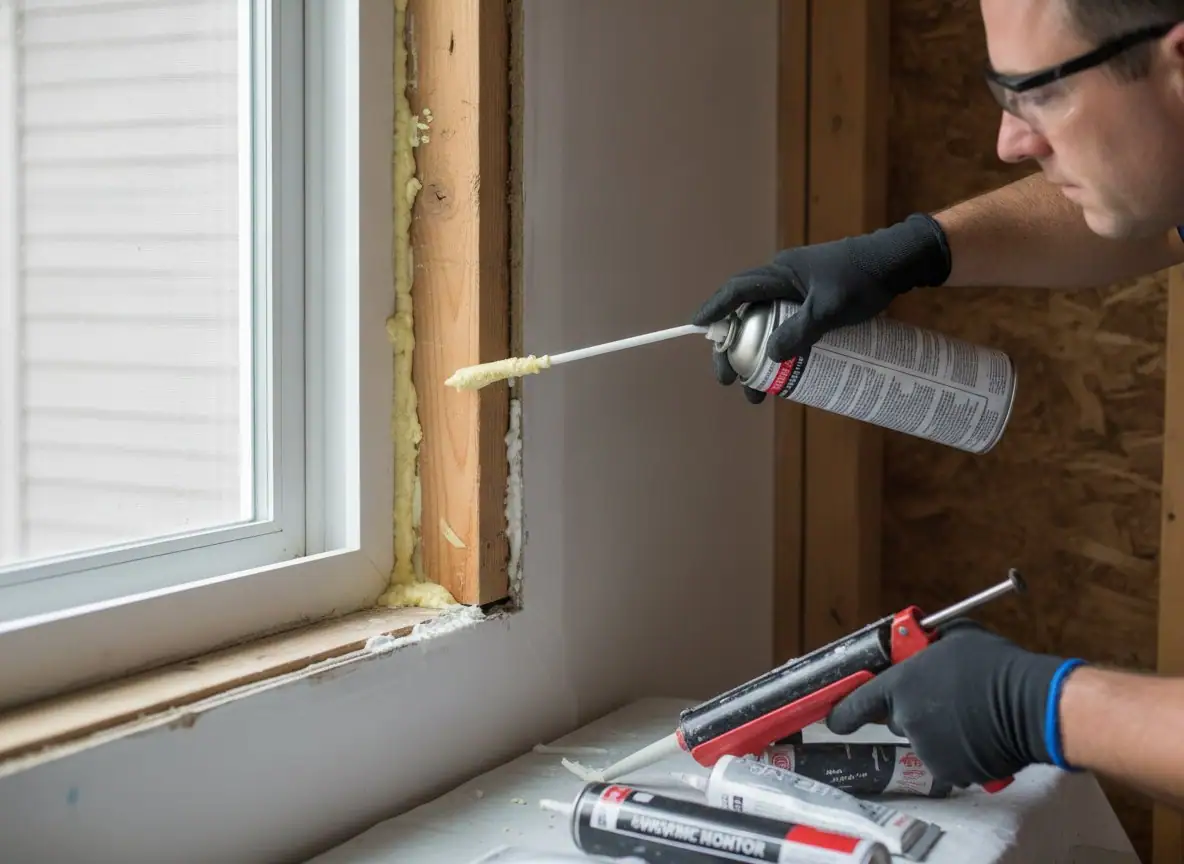
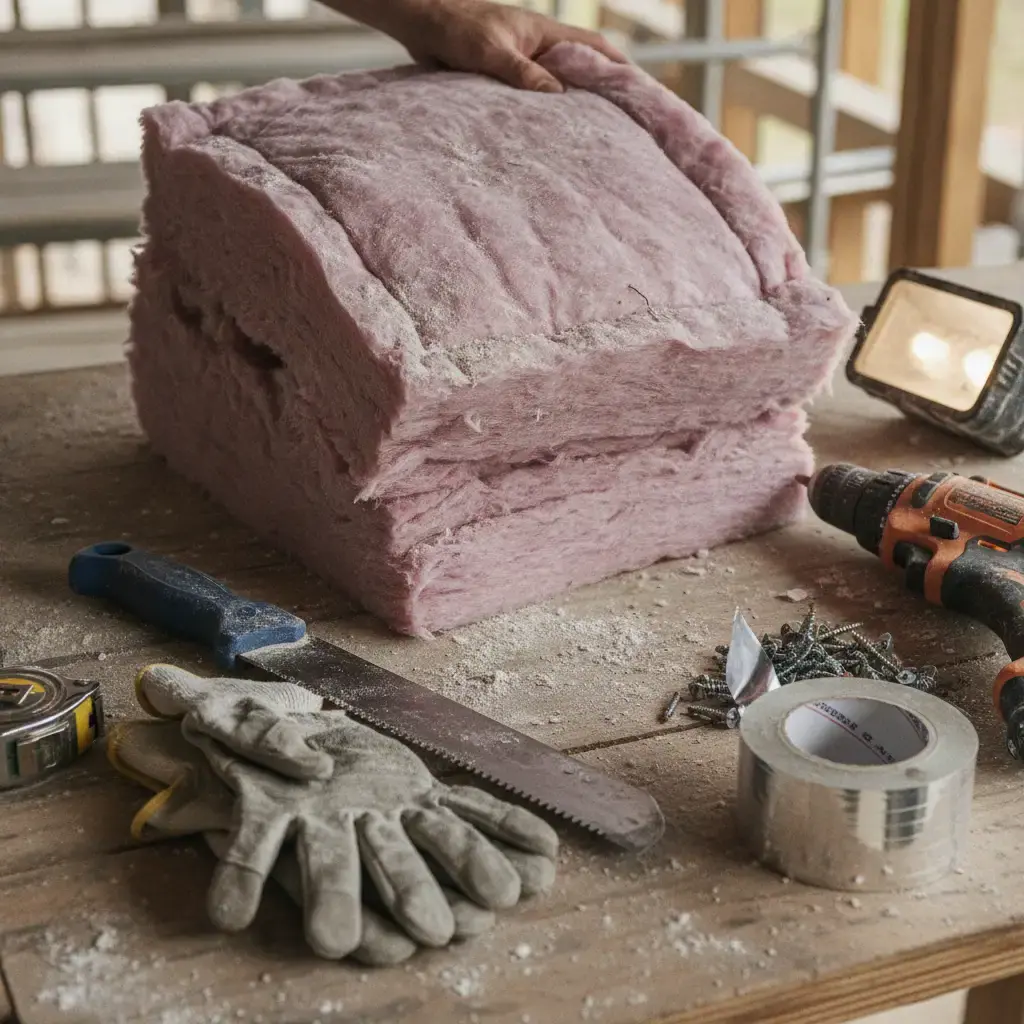
Blown-in insulation is one of the most versatile and cost-effective insulation solutions available to Orange homeowners. The process uses a specialized blowing machine to distribute loose insulation material—typically cellulose (made from recycled newsprint), fiberglass, or mineral wool—into attic floors, wall cavities, and crawl spaces at a controlled depth and density. The result is a uniform thermal envelope that dramatically reduces heat transfer between your living spaces and the outdoors.
The concept of loose-fill insulation dates to the mid-20th century, when the post-war construction boom across Southern California created millions of tract homes—many built quickly and without adequate thermal planning. Orange’s residential neighborhoods grew rapidly during the 1950s, 1960s, and 1970s, producing thousands of single-family homes with wood-frame construction that either lacked insulation entirely or used fiberglass batts that have since compressed, shifted, or degraded over decades of use.
Read moreShow less
In Orange County specifically, the California Energy Commission has progressively tightened energy codes. Today’s Title 24 compliance requirements mandate minimum R-values for attic insulation in Climate Zone 8 (which includes Orange) of R-38 or higher. Many older Orange homes fall well below this threshold, meaning blown-in insulation upgrades are not only beneficial—they may be required when completing permitted renovations or home sales.
Blown-in insulation is particularly prevalent in Orange’s housing stock because of its suitability for retrofit applications. You do not need to tear down drywall to insulate existing walls with blown-in material; installers drill small access holes, fill the cavities, and patch the openings. This makes it an ideal solution for the 1950s–1970s ranch-style homes and Craftsman bungalows that dominate older Orange neighborhoods like Old Towne and Olive Hills. Additionally, the technique works seamlessly in Spanish Colonial revival and stucco-clad homes—architectural styles that are extremely common throughout the city.
Understanding what drives blown-in insulation cost in Orange helps you budget accurately and avoid overpaying. Material type, attic square footage, existing insulation depth, accessibility, and local labor rates all factor into the final price. The sections below break down every element so you know exactly what to expect.
Why Blown-In Insulation Is Needed in Orange, CA
Extreme Heat Cycling in Orange’s Mediterranean Climate
Orange sits in NOAA Climate Zone 8, a Mediterranean classification characterized by hot, dry summers and mild, occasionally wet winters. The city regularly records peak summer temperatures above 95°F—July 2021 saw Orange reach 104°F during the regional heat dome event that broke records across Southern California. Daily temperature swings in fall and spring can exceed 30°F between daytime highs and nighttime lows. This aggressive heat cycling causes building materials to expand and contract repeatedly, accelerating the compression and settlement of older fiberglass batt insulation and widening gaps in building envelopes. Blown-in insulation, particularly dense-pack cellulose, resists this settling far better than batts.
Aging Housing Stock in Historic Orange Neighborhoods
The neighborhoods of Old Towne Orange—centered on the historic Plaza District, a California Historical Landmark—contain hundreds of homes built between 1905 and 1940. Many of these Craftsman bungalows, Victorian cottages, and Spanish Colonial homes were constructed before insulation standards existed. The Olive Hills and Panorama Heights areas saw significant tract development in the 1950s and 1960s under builders who prioritized speed over energy efficiency. A 2022 California Energy Commission survey estimated that roughly 40 percent of single-family homes in Orange County built before 1978 have attic insulation measuring less than R-19—barely half of today’s minimum code requirement.
Santa Ana Wind Events and Wildfire Smoke Infiltration
Orange County experiences regular Santa Ana wind events, typically from October through February, with wind speeds frequently exceeding 50 mph in the foothills east of Orange near the Santiago Hills neighborhood. These powerful offshore winds create dramatic pressure differentials across home envelopes, forcing outside air through insulation gaps, attic bypasses, and wall cavities. Poorly insulated homes suffer both energy loss and increased particulate infiltration during Santa Ana events—an especially serious concern given the wildfire smoke that accompanies many of these episodes, such as the 2017 Thomas Fire and the 2020 Silverado Fire, which affected air quality across all of Orange County for days at a time.
Coastal Moisture and Attic Condensation
Although Orange is approximately 12 miles inland from the Pacific coast, marine layer influence is significant—particularly in early morning hours from May through August, a phenomenon locals call “June Gloom.” Attics with insufficient insulation or poor vapor management can develop condensation issues when warm, moist marine air contacts cooler roof decking. This moisture promotes mold growth and degrades existing insulation, compounding the need for professional blown-in insulation replacement. Neighborhoods like Friendly Hills and El Camino Real, situated at lower elevations closer to the Santa Ana River, experience the most pronounced marine layer effects.
Energy Cost Pressures from SCE Rate Increases
Southern California Edison, the primary electric utility serving Orange, has implemented significant rate increases in recent years—residential rates climbed approximately 22 percent between 2021 and 2024. With central air conditioning usage driving summer energy bills well above $300 per month for under-insulated homes, the financial case for blown-in insulation upgrades has never been stronger. Most Orange homeowners recover blown-in insulation installation costs within three to five years through reduced heating and cooling bills.
Free, no-obligation estimates
Talk to Home Comfort Insulation
Tell us what you need and we’ll take it from there.
Signs You Need Blown-In Insulation in Your Orange Home
Energy Performance Indicators
- Monthly SCE summer electric bills exceeding $250–$350 for a standard 1,500–2,000 sq ft Orange home
- HVAC system running continuously during July and August heat events without reaching thermostat setpoints
- Noticeable temperature differences (more than 5°F) between rooms on the same floor
- Heating costs spiking during December–January cool spells despite mild outdoor temperatures
Physical and Visual Symptoms
- Attic insulation depth measuring less than 10–11 inches (corresponding to approximately R-30), visible when using a ruler in your attic hatch
- Fiberglass batts that appear flattened, shifted, or separated from joists
- Visible gaps around recessed light fixtures, attic bypasses, or plumbing penetrations
- Discoloration or staining on drywall ceilings, which can indicate air movement through insulation gaps
Comfort and Air Quality Issues
- Drafts felt near interior walls during Santa Ana wind events
- Excessive dust accumulation throughout the home, suggesting unfiltered air infiltration
- Hot or cold spots on interior wall surfaces when touched during temperature extremes
Urgency Indicators
If your Orange home was built before 1978, has never had an insulation upgrade, or failed a home energy audit, treat insulation replacement as an urgent priority before the next summer cooling season.
Blown-In Insulation Methods We Use in Orange
Blown-In Cellulose Insulation
Cellulose is our most recommended material for Orange attics and is made from 85 percent recycled content, giving it strong environmental credentials valued by many Orange homeowners. It achieves R-3.7 per inch and settles to a stable density that resists the compaction caused by Orange’s heat cycling. Cellulose also has a Class 1 fire rating and natural pest-resistance properties from borate treatment—ideal for homes near the Santiago Hills open space area where pest pressure is elevated. Typical cost: $1.00–$1.50 per square foot installed.
Blown-In Fiberglass Insulation
Fiberglass loose-fill provides R-2.5 per inch and is an excellent choice for Orange homeowners concerned about moisture retention in lower-elevation neighborhoods with significant marine layer exposure. It does not absorb water and resists mold growth, making it preferable in attics showing any prior condensation history. Typical cost: $0.90–$1.40 per square foot installed.
Dense-Pack Cellulose for Retrofit Wall Insulation
For the thousands of uninsulated older walls in Orange’s pre-1978 housing stock, dense-pack cellulose blown into existing wall cavities is the gold standard. Installed at 3.5 lbs/cubic foot, it achieves R-3.7 per inch while effectively air-sealing the cavity. This method preserves historic exterior finishes in Old Towne Orange homes. Typical cost: $2.00–$3.50 per square foot of wall area.
Mineral Wool Loose-Fill
Mineral wool offers superior fire resistance (rated to over 2,000°F) and sound attenuation—preferred in Orange homes in higher-density neighborhoods near Katella Avenue or Chapman Avenue with elevated traffic noise. It achieves R-3.0 per inch. Typical cost: $1.50–$2.20 per square foot installed.
Blown-In Insulation Cost in Orange, CA: What to Expect
Pricing for blown-in insulation in Orange reflects both the regional cost of living and the specific requirements of Southern California’s building stock and energy codes.
Typical Price Ranges for Orange Homeowners
- Attic blown-in insulation (cellulose or fiberglass): $1,500–$3,500 for a typical 1,200–2,000 sq ft Orange home attic
- Retrofit wall insulation (dense-pack): $3,500–$7,000 for a complete single-story home
- Crawl space blown-in insulation: $1,200–$2,800 depending on access and square footage
- Combined attic + air sealing package: $2,000–$4,500—the most common project scope in Orange
Key Cost Factors
- Existing insulation removal: Add $500–$1,500 if old, contaminated, or pest-damaged insulation must be removed first
- Attic accessibility: Tight attic access points—common in 1950s Orange ranch homes—can add $200–$500 in labor
- Target R-value: Reaching California’s Title 24 Climate Zone 8 minimum of R-38 costs more than simply topping off to R-19
- Material selection: Mineral wool costs approximately 20–30 percent more than cellulose
Read moreShow less
Available Rebates and Incentives
Orange homeowners can access SCE rebates of $100–$250, 30 percent federal tax credits under the Inflation Reduction Act (up to $1,200 annually), and occasional Orange County or City of Orange energy efficiency program incentives. We help you identify and apply for every applicable program. Learn more about insulation rebates and tax credits
Blown-In Insulation Services Across Orange Neighborhoods
Old Towne Orange
The historic district surrounding the Orange Plaza contains homes dating to 1905–1940. Craftsman bungalows and Victorian-era cottages here rarely had any insulation installed originally. Our dense-pack cellulose wall insulation approach preserves historic character while achieving modern energy performance. We are experienced working with Orange’s Historic Preservation standards for permitted work in this district.
Olive Hills
Built predominantly in the 1950s–1960s, Olive Hills features ranch-style homes with low-pitch roofs and attics that are challenging to access. Most homes in this area have original fiberglass batts at R-11 or less. Blown-in cellulose upgrades to R-38 consistently cut summer cooling costs for Olive Hills residents by 20–35 percent.
Santiago Hills
This newer neighborhood (1980s–2000s) in the eastern foothills features larger homes and stronger Santa Ana wind exposure. While newer construction here meets higher base standards, many homes benefit from air sealing and blown-in upgrades to wall cavities and bonus rooms above garages. Proximity to open space also increases pest pressure on insulation materials.
Friendly Hills and El Camino Real
Lower-elevation neighborhoods with significant marine layer exposure. Fiberglass blown-in insulation is preferred here over cellulose for its moisture resistance. Many 1970s-era homes in these areas have asbestos-containing older insulation requiring professional removal before upgrades. Learn about our insulation removal services
Blown-In Insulation Maintenance Tips for Orange Homeowners
- Inspect attic depth annually: Check insulation depth at your attic access hatch each fall before heating season. Orange’s heat cycling can cause gradual settlement—aim to maintain at least 10–11 inches of cellulose depth (R-38).
- Check for pest intrusion after Santa Ana season: Rodents displaced by Santa Ana wind events occasionally enter attics. Inspect for signs of nesting that can displace or contaminate insulation.
- Keep attic vents clear: Orange’s coastal oak trees and eucalyptus drop debris year-round. Clear soffit vents each spring to prevent moisture buildup that degrades insulation.
- Seal new penetrations immediately: Any new HVAC, plumbing, or electrical work penetrating the attic floor must be air-sealed before insulation performance is compromised.
- Monitor for water stains after winter rain events: Orange’s periodic winter storms (especially El Niño years) can expose roof leaks that wet and destroy blown-in insulation. Inspect ceiling drywall after any significant rainfall.
- Schedule a professional inspection every 10 years: Blown-in cellulose typically loses 5–10 percent of its depth over a decade due to settling. A top-off installation restores full R-value at a fraction of original cost.
- Avoid compressing insulation with storage: Do not stack boxes or materials directly on attic insulation, as compression reduces R-value significantly.
Why Choose Home Comfort Insulation in Orange, CA
Home Comfort Insulation is a locally focused insulation contractor serving Orange and the surrounding Orange County communities. Our technicians are trained specifically on the insulation challenges unique to Southern California’s aging housing stock—from the historic bungalows of Old Towne to the hillside homes of Santiago Hills.
We bring deep familiarity with California Title 24 energy code requirements for Climate Zone 8, ensuring every installation we complete is fully code-compliant and positions your home for successful permit inspections. We stay current with SCE rebate programs, federal tax credit eligibility, and local City of Orange permitting requirements so our customers maximize every available financial incentive.
Read moreShow less
Our approach is built on transparency: we provide written, line-item estimates before any work begins, we document every installation with depth measurements and photographs, and we take the time to explain exactly what we’re doing and why. We never upsell unnecessary materials or services.
Ready to find out what blown-in insulation will cost for your specific Orange home? Call us at (714) 909-2175 to schedule your free on-site assessment. You can also explore our related services: attic insulation, spray foam insulation, and crawl space encapsulation.
FAQ
Frequently Asked Questions: Blown-In Insulation Cost in Orange, CA
How much does blown-in attic insulation cost in Orange, CA?
Most Orange homeowners pay between $1,500 and $3,500 for attic blown-in insulation, depending on square footage, existing insulation condition, and target R-value. A 1,500 sq ft attic brought from R-11 to R-38 using blown-in cellulose typically costs $2,000–$2,800 fully installed, including air sealing. Larger homes in neighborhoods like Santiago Hills with 2,500+ sq ft attics may range from $3,000–$4,500.
How long does blown-in insulation installation take in Orange?
A standard attic blown-in insulation project for an Orange home typically takes one full workday—approximately 4–8 hours including assessment, air sealing, installation, and cleanup. Retrofit wall insulation projects are more involved and may require 1–2 days for a complete single-story home.
Is blown-in insulation better than batts for Orange homes?
For most Orange homes—particularly those built before 1980—blown-in insulation outperforms batts in retrofit applications. It fills irregular joist bays and around obstructions without gaps, resists the compression caused by Orange’s heat cycling better than fiberglass batts, and can be installed without disturbing existing drywall in retrofit wall applications.
What R-value do I need for my Orange, CA attic?
California’s Title 24 energy code requires a minimum of R-38 for attic insulation in Climate Zone 8, which includes the city of Orange. We recommend targeting R-49 if budget allows—the incremental material cost is modest and the energy savings in Orange’s hot summers are meaningful.
Will blown-in insulation help reduce my SCE electric bill in Orange?
Yes, significantly. Orange homeowners with under-insulated attics (R-11 to R-19) who upgrade to R-38 or R-49 typically report 20–35 percent reductions in summer cooling costs. Given SCE’s current rate structure in Orange, this translates to $600–$1,200 in annual savings for a typical 1,500–2,000 sq ft home—a payback period of 2–4 years on the insulation investment.
Do I need a permit for blown-in insulation in Orange, CA?
Adding insulation to an existing attic without structural modifications generally does not require a building permit in the City of Orange. However, retrofit wall insulation or projects associated with other permitted renovation work may trigger permitting requirements. We advise on permit requirements for every project during the assessment phase.
Can blown-in insulation be installed in historic homes in Old Towne Orange?
Yes. Dense-pack cellulose blown-in wall insulation is the preferred method for historic Old Towne Orange homes because it does not require removal of historic exterior cladding or interior plaster walls. Access holes are drilled from the exterior between siding boards or from the interior between studs, then patched to match the original finish. We are experienced working within Orange’s Historic Preservation guidelines.
Are there rebates available for blown-in insulation in Orange?
Yes. Orange homeowners served by Southern California Edison can access rebates of $100–$250 for qualifying insulation upgrades through SCE’s Energy Efficiency Program. Additionally, the federal Inflation Reduction Act provides a 30 percent tax credit (up to $1,200 annually) for insulation improvements in existing homes. We assist every customer with rebate and tax credit paperwork. See our complete guide to insulation rebates in Orange County
Get Your Free Blown-In Insulation Estimate in Orange, CA Today
Don’t let another Orange summer drive your SCE bill through the roof. Home Comfort Insulation provides honest, accurate, written estimates for blown-in insulation projects throughout Orange at no cost or obligation. Our local team understands the specific challenges facing Orange homeowners—from Old Towne Craftsman bungalows to Santiago Hills hillside estates—and we’ll recommend exactly the right solution for your home’s age, construction type, and energy goals.
Call us now at (714) 909-2175 to schedule your free on-site assessment. We offer convenient weekday and Saturday appointment windows throughout Orange and surrounding Orange County communities.
Explore our full range of services: attic insulation, blow-in insulation, spray foam insulation, insulation removal, crawl space insulation, and crawl space encapsulation.
Get in touch
Find insulation help near you
Request a free estimate online or give us a call — our team will follow up quickly.
- Call us(714) 909-2175
- Visit1650 N Glassell St, Orange, CA 92867
- HoursMon-Sun 07:00-19:00