Fiberglass Insulation in Orange, CA
Energy-Saving Fiberglass Insulation for Orange, CA Homes — Licensed & Insured
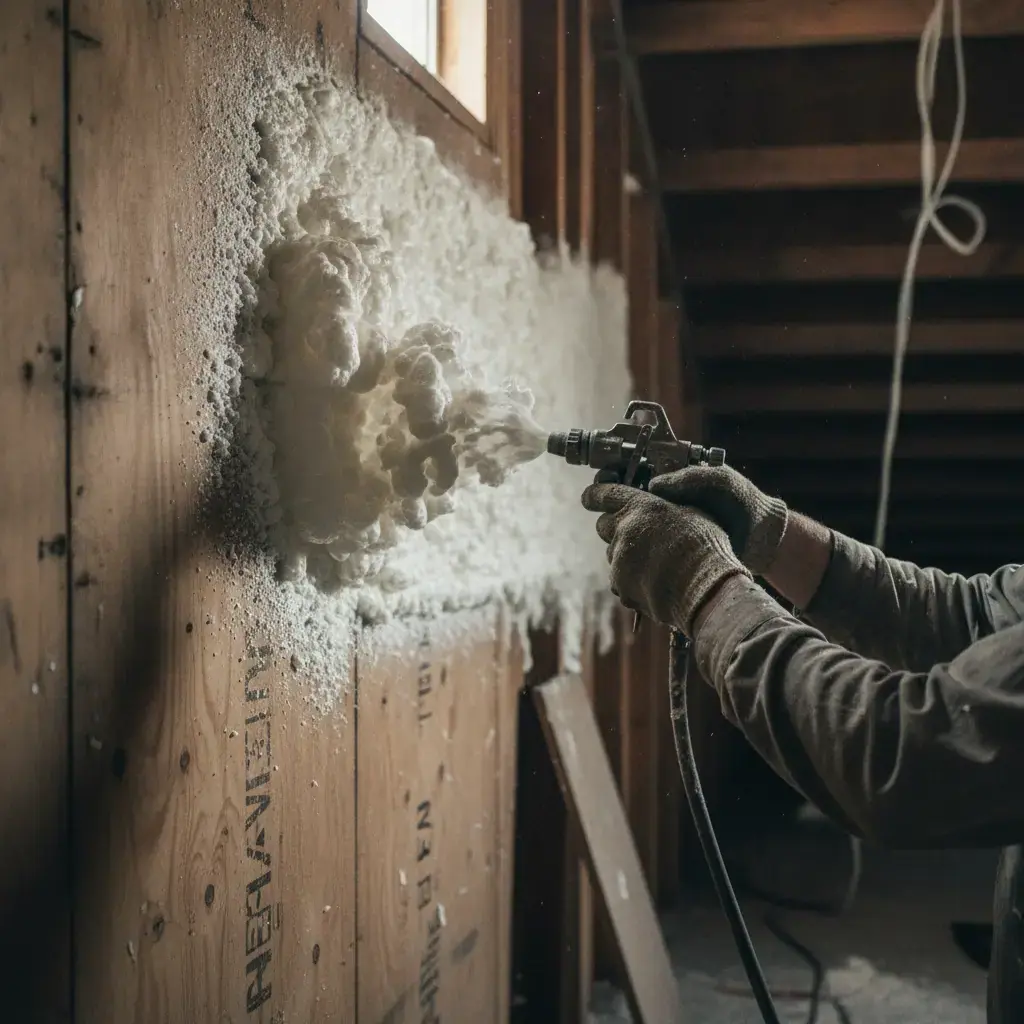
Fiberglass insulation is one of the most widely used and cost-effective thermal and acoustic insulation solutions available for residential and commercial properties. Composed of fine glass fibers spun into batts, rolls, or loose-fill material, fiberglass insulation creates a barrier that slows heat transfer, reduces energy consumption, and improves indoor comfort year-round.
In Orange, CA, where summer temperatures routinely climb into the mid-90s°F and the Santa Ana winds create dramatic seasonal temperature swings, proper insulation is not a luxury — it is a necessity. Older homes built during Orange’s mid-century development boom often lack adequate insulation by today’s standards, leaving residents paying unnecessarily high utility bills and struggling with inconsistent indoor temperatures.
Read moreShow less
At Home Comfort Insulation, our team specializes in fiberglass insulation installation, replacement, and removal for homes and businesses throughout Orange and the surrounding communities. Whether you’re upgrading an aging attic or insulating a new construction project, we bring local expertise and proven methods to every job. Call us today at (714) 909-2175 to schedule your free assessment.
Understanding Fiberglass Insulation
Fiberglass insulation was first developed in the 1930s when Owens Corning pioneered the commercial production of glass wool. By the post-World War II housing boom of the 1950s and 1960s, fiberglass batts had become the standard insulation material for American residential construction — which is precisely the era when much of Orange, CA’s foundational housing stock was built. Tract homes developed throughout Chapman Hills, Old Towne Orange, and the surrounding neighborhoods during this period were often insulated to the minimum standards of the time, which fall far short of modern California Title 24 energy codes.
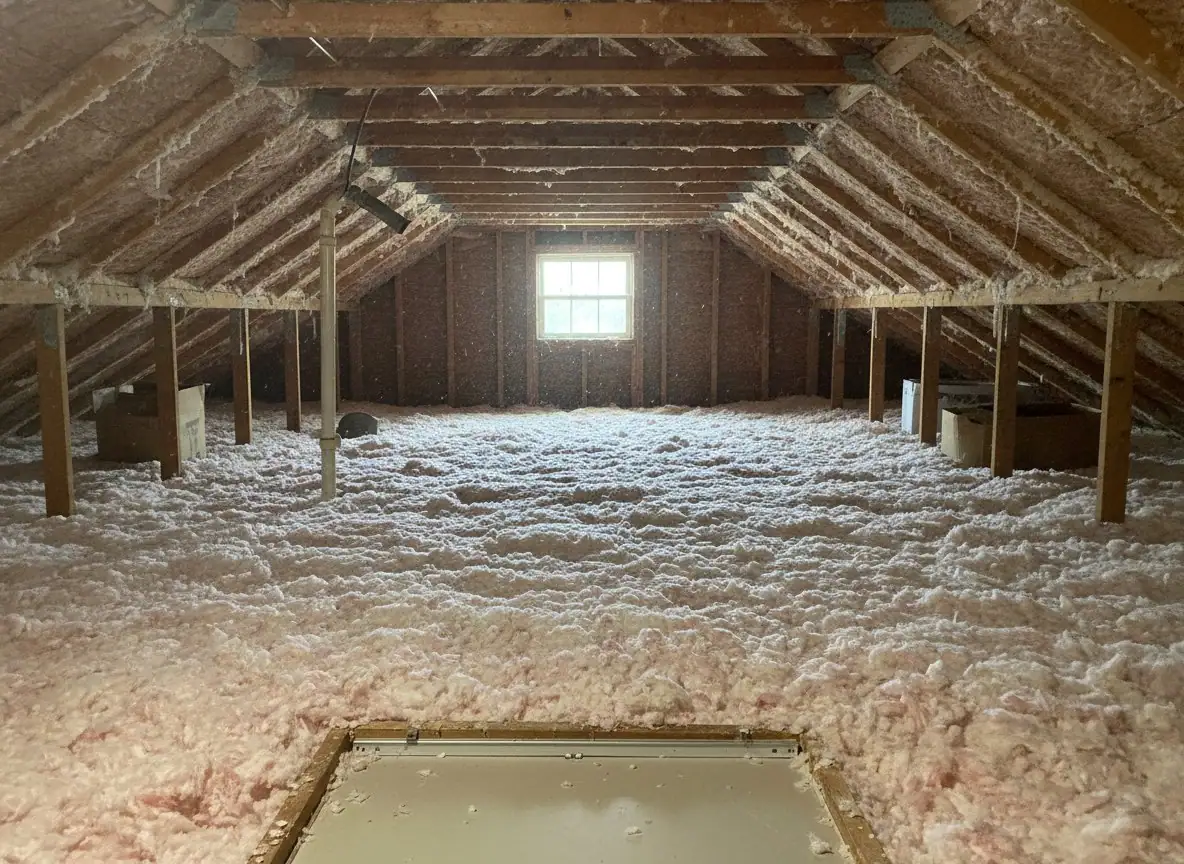
Fiberglass insulation works through a simple but highly effective principle: the glass fibers trap air within thousands of tiny pockets, creating a thermal buffer zone that slows conductive and convective heat transfer. It is measured in R-values, with higher R-values indicating greater resistance to heat flow. For attics in Orange’s climate zone (California Climate Zone 8), the Department of Energy recommends R-38 to R-60, yet many older local homes still have original insulation performing at only R-11 to R-19.
Read moreShow less
Fiberglass comes in several forms: pre-cut batts that fit between standard wall studs and joists, continuous rolls for larger open spans, and loose-fill (blown-in) fiberglass for irregular spaces and attic floors. Each form has specific applications suited to different building types, from the single-story ranch homes common in Orange’s established neighborhoods to newer two-story developments near The Village at Orange.
Beyond thermal performance, fiberglass insulation also provides meaningful soundproofing, particularly valuable for homes near the 22 Freeway or Chapman Avenue corridors where traffic noise is a daily reality. It is also non-combustible, resistant to moisture damage when properly installed, and does not support mold growth, making it a durable long-term solution for Southern California’s semi-arid climate.
Modern fiberglass products have evolved considerably from their mid-century predecessors. Today’s high-density fiberglass batts offer improved R-values per inch, reduced fiber shedding, and better edge-to-edge fit that minimizes the thermal bridging gaps that reduce overall system effectiveness. Learn more about our blown-in fiberglass insulation services.
Why Fiberglass Insulation Is Needed in Orange, CA
The Santa Ana Wind Effect
Orange County experiences Santa Ana wind events typically between October and March, with sustained winds reaching 40–60 mph and gusts occasionally exceeding 80 mph through the Brea Canyon and Santiago Creek corridors. These hot, dry winds from the northeast rapidly pull moisture from building materials and can force your HVAC system to work 30–40% harder to maintain indoor temperatures. Homes with deteriorated or undersized insulation experience the most dramatic discomfort and energy cost spikes during these events. The October 2007 Witch Creek and Santiago fires, and the October 2017 Canyon 2 Fire, both ignited during severe Santa Ana conditions and reminded Orange residents of the importance of building envelope resilience.
Summer Radiant Heat Load
Orange’s inland location — positioned approximately 8 miles from the Pacific Coast — means it does not benefit consistently from the marine layer that moderates temperatures in coastal cities like Newport Beach or Huntington Beach. During summer months, Orange regularly records temperatures of 92–98°F, and attic temperatures in unshaded homes can soar to 150–160°F. Without R-38 or higher attic insulation, this radiant heat load transfers directly into living spaces, forcing air conditioners into extended run cycles and driving electricity bills to $300–$500 per month for average-sized homes.
Aging Housing Stock in Orange’s Established Neighborhoods
Old Towne Orange, listed on the National Register of Historic Places and centered on the historic Plaza, contains hundreds of homes built between 1905 and 1960. Many of these Craftsman bungalows, Spanish Colonial Revival, and Victorian-era properties retain their original wall cavities with little or no insulation. Similarly, the post-war tract homes in neighborhoods like Serrano Heights and East Orange — developed rapidly between 1950 and 1975 — were built to insulation standards that are now three to five building code cycles out of date.
California Title 24 Compliance
California’s Title 24 Building Energy Efficiency Standards, most recently updated in 2022, require minimum R-38 attic insulation and R-13 to R-21 wall insulation for residential buildings in Climate Zone 8. Homeowners undertaking renovations, room additions, or re-roofing projects in Orange are legally required to bring insulation up to current code. Non-compliance can create complications during home sales, permit approvals, and insurance claims.
Utility Costs and SCE Rate Increases
Southern California Edison (SCE), the primary electric utility serving Orange, has implemented consistent rate increases averaging 6–8% annually since 2020. As of 2024, residential customers on tiered pricing pay $0.28–$0.48 per kWh during peak summer demand periods. Properly installed fiberglass insulation at recommended R-values can reduce HVAC energy consumption by 20–35%, representing hundreds of dollars in annual savings for the average Orange household.
Explore our attic insulation services designed for Orange’s climate conditions.
Free, no-obligation estimates
Talk to Home Comfort Insulation
Tell us what you need and we’ll take it from there.
Signs You Need Fiberglass Insulation in Orange, CA
Energy and Comfort Indicators
- Monthly electricity bills exceeding $200–$250 during summer months in a home under 2,000 square feet
- Rooms that feel noticeably hotter or cooler than others despite a functioning HVAC system
- Air conditioner running continuously without reaching the set thermostat temperature
- Drafts near electrical outlets, light switches, or along baseboards
Physical and Structural Signs
- Visible insulation in the attic that appears flattened, discolored, or less than 10–12 inches thick
- Water stains on attic insulation following winter rains or Santa Ana wind-driven dust events
- Insulation contaminated with pest debris, particularly from roof rats common in Orange’s mature tree neighborhoods
- Walls that feel warm to the touch on hot afternoons
Age-Based Warning Signs
- Home built before 1980 with no documented insulation upgrades
- Original insulation installed more than 20–25 years ago, even if it appeared adequate at installation
- Recent roof replacement without corresponding attic insulation inspection or upgrade
Urgency Indicators
If you notice pest activity in your attic, visible mold on insulation surfaces, or a sudden unexplained spike in energy bills exceeding 25% month-over-month, treat these as urgent situations requiring immediate professional inspection. Learn about our insulation removal and replacement services.
Our process
Our Fiberglass Insulation Process in Orange, CA
- 01
Free On-Site Assessment (Day 1 — 60 to 90 Minutes)
Our certified insulation specialist visits your Orange property to conduct a comprehensive evaluation. We measure existing insulation depth and R-values, inspect for moisture damage, pest contamination, and air leakage points. We assess attic ventilation — cri
- 02
Detailed Written Estimate (Within 24 Hours)
Within one business day of your assessment, we provide a line-item written estimate including material specifications, R-value targets, and project timeline. We identify any remediation requirements such as insulation removal or air sealing that must precede i
- 03
Pre-Installation Preparation (Day of Installation — 1 to 2 Hours)
Before any fiberglass is installed, our crew seals air bypasses at top plates, recessed light fixtures, attic hatch perimeters, and HVAC penetrations. In Orange’s older homes — particularly those in Old Towne and the Cypress Street Barrio neighborhoods — this
- 04
Insulation Installation (4 to 8 Hours Depending on Scope)
We install fiberglass batts, rolls, or blown-in material to the specified R-value using manufacturer guidelines and California Title 24 requirements. Batts are cut to fit precisely around obstructions without compression, which would reduce effective R-value.
- 05
Quality Verification (1 Hour)
Our project lead performs a post-installation inspection, verifying depth measurements at multiple points, checking for voids or compression, and confirming that attic ventilation pathways remain unobstructed — essential for preventing moisture buildup during
- 06
Final Walkthrough and Documentation
We walk you through the completed installation, provide documentation of R-values achieved, and supply any paperwork needed for SCE utility rebate applications or building permit sign-off. Most residential projects are completed within a single day.
Fiberglass Insulation Methods and Approaches
Fiberglass Batt Installation
Pre-cut fiberglass batts are the most common approach for insulating wall cavities, floor joists, and attic rafters in Orange’s residential construction. Standard batts fit 16-inch and 24-inch on-center framing typical of post-war construction throughout East Orange and Panorama Heights. High-density batts achieve R-15 in a standard 2×4 wall cavity, meeting current California energy code minimums. This method works best in open, accessible spaces with consistent framing dimensions.
Blown-In Fiberglass (Loose-Fill)
Blown-in fiberglass is ideal for existing attic floors and enclosed wall cavities where batt installation is impractical. A pneumatic blower system distributes loose fiberglass material evenly across irregular surfaces, filling around obstructions that batts cannot accommodate. This is the preferred method for upgrading attic insulation in Orange’s older Craftsman and Spanish Colonial homes where attic framing is non-standard. Learn more about our blow-in insulation services.
Fiberglass Batt with Vapor Retarder
For crawl spaces and certain wall applications in Orange properties near Santiago Creek where ground moisture is more pronounced, kraft-faced fiberglass batts with an integrated vapor retarder provide both thermal resistance and moisture management. This method pairs well with crawl space encapsulation services.
Combination Systems
For maximum performance in Orange’s climate, we often combine fiberglass batt insulation in wall cavities with blown-in fiberglass in attics and spray foam insulation at critical air sealing points. This hybrid approach addresses both thermal resistance and air infiltration, the two primary pathways for energy loss in Orange’s residential building stock.
Fiberglass Insulation Cost in Orange, CA
Understanding the cost of fiberglass insulation in Orange helps you budget accurately and evaluate proposals with confidence. Pricing varies based on application type, existing conditions, and project scope.
Typical Price Ranges
- Attic Blown-In Fiberglass (to R-38): $1.50–$2.50 per square foot, or $1,500–$2,500 for a typical 1,000 sq ft attic
- Attic Blown-In Fiberglass (to R-60): $2.00–$3.25 per square foot
- Wall Batt Insulation (new construction or open walls): $0.90–$1.75 per square foot
- Fiberglass Batt (floor joists / crawl space): $1.25–$2.00 per square foot
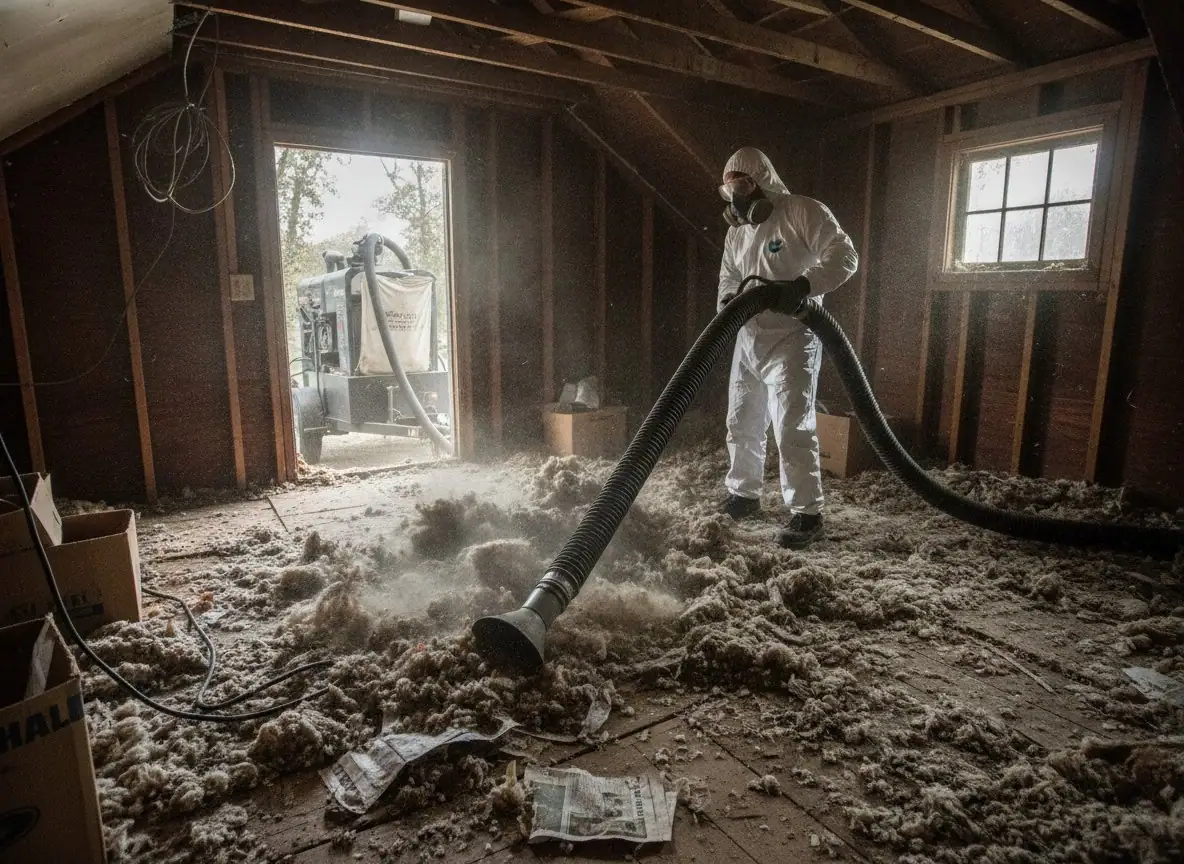
- Insulation Removal Prior to Replacement: $1.00–$2.00 per square foot additional
Factors That Affect Pricing in Orange
- Attic accessibility and ceiling height — low-pitch rooflines common in Orange’s ranch-style homes can add 15–20% to labor costs
- Presence of existing insulation requiring removal or remediation
- Pest or moisture damage remediation required before installation
- Number of recessed light fixtures requiring air sealing caps
- Permit requirements for certain project types under Orange’s municipal code
Read moreShow less
Available Rebates
Southern California Edison offers residential insulation rebates of $0.10–$0.20 per square foot through their Energy Savings Assistance Program and Energy Upgrade California initiatives. Qualifying Orange homeowners may offset project costs by $150–$400. Our team assists with rebate documentation at no additional charge. Call (714) 909-2175 for a detailed, no-obligation estimate.
Neighborhoods We Serve in Orange, CA
Old Towne Orange
Centered on the historic Orange Plaza, Old Towne contains some of Orange County’s oldest residential architecture, including Craftsman bungalows and Victorian homes dating to 1905–1930. These properties present unique insulation challenges including knob-and-tube wiring that must be evaluated before insulation is added to wall cavities, non-standard framing dimensions, and historical preservation considerations. We have extensive experience with Old Towne’s specific construction characteristics.
Chapman Hills and Serrano Heights
These elevated neighborhoods in eastern Orange feature predominantly 1980s–2000s construction with complex rooflines and vaulted ceilings that create challenging attic geometries. Many homes here have inadequate insulation in cathedral ceiling cavities, a common energy performance weak point we address with precision-cut fiberglass batt systems.
East Orange / Panorama Heights
A mix of 1960s–1980s tract homes with standard construction but frequently original insulation that has settled and degraded over decades. Blown-in fiberglass upgrades are highly effective and cost-efficient in this area’s consistently dimensioned attic spaces.
The Village at Orange Area
Newer multi-family and mixed-use residential development near The Village at Orange shopping center includes condominiums and townhomes with shared wall assemblies requiring specialized acoustic and thermal fiberglass solutions.
Fiberglass Insulation Maintenance Tips for Orange Homeowners
- Inspect attic insulation annually, ideally in late September before Santa Ana wind season, checking for settling, moisture staining, or pest activity.
- Check attic ventilation soffit and ridge vents every spring to ensure they are not blocked by blown-in material or debris from Orange’s seasonal wind events.
- After any roof repair or replacement, have insulation inspected for water intrusion damage — even minor roof leaks during Orange’s December–March rainy season can compromise fiberglass performance.
- Monitor for signs of roof rat activity — these pests are prevalent in Orange’s mature canopy neighborhoods and readily nest in and contaminate attic insulation.
- Keep attic hatch covers insulated and weather-stripped — an uninsulated attic access point can account for a disproportionate share of thermal loss.
- Do not compress stored boxes or belongings against attic insulation, as compression directly reduces effective R-value.
- Schedule a professional re-inspection every 10–15 years to assess whether insulation has settled below code-minimum depths, particularly for blown-in products.
Why Choose Home Comfort Insulation for Fiberglass Insulation in Orange, CA
Home Comfort Insulation is a locally focused insulation contractor with deep familiarity with Orange’s specific housing stock, climate conditions, and building code requirements. We understand the difference between insulating a 1920s Craftsman in Old Towne and a 2005 production home in Serrano Heights — and we approach each project with the methods and materials appropriate to that specific structure.
Our team performs thorough pre-installation assessments, not rushed estimates designed to close sales. We identify and correct air sealing deficiencies that most general contractors overlook, because we know that R-value alone doesn’t tell the whole energy performance story in Southern California’s wind-driven climate.
Read moreShow less
We assist every eligible Orange homeowner with Southern California Edison rebate documentation, helping you recover a meaningful portion of your investment. Our work is performed to California Title 24 standards, giving you confidence that your home will pass inspection and perform as expected for decades.
Ready to improve your home’s comfort and reduce energy costs? Contact Home Comfort Insulation at (714) 909-2175 today.
FAQ
Frequently Asked Questions About Fiberglass Insulation in Orange, CA
How much does fiberglass insulation cost in Orange, CA?
Fiberglass insulation in Orange typically costs $1.50–$2.50 per square foot for attic blown-in installation to R-38, and $0.90–$1.75 per square foot for wall batt installation in open cavities. A complete attic insulation upgrade for a 1,500 sq ft home generally runs $2,000–$3,500 depending on existing conditions and attic accessibility. Homes requiring insulation removal prior to replacement will incur additional costs of $1.00–$2.00 per square foot. SCE rebates can reduce net project costs by $150–$400 for qualifying Orange homeowners.
How long does fiberglass insulation installation take in Orange?
Most residential fiberglass insulation projects in Orange are completed within a single day. A standard attic insulation upgrade for a 1,200–1,800 sq ft home typically takes 4–6 hours including preparation, installation, and quality verification. Larger projects or those requiring insulation removal first may require two days.
What R-value do I need for my Orange, CA home?
California Title 24 requires R-38 minimum for attic insulation in Orange (Climate Zone 8), though the Department of Energy recommends R-49 to R-60 for maximum performance given Orange’s inland heat load. Wall cavities should achieve R-13 minimum with high-density batts reaching R-15 in standard 2×4 framing. We assess your current R-values during the free inspection and recommend the most cost-effective upgrade path.
Can fiberglass insulation be installed in older Orange homes with knob-and-tube wiring?
This is an important consideration for Old Towne Orange homeowners. Traditional knob-and-tube wiring requires air circulation around conductors to dissipate heat, so covering it with insulation can create a fire hazard. Before insulating walls or attics containing active knob-and-tube circuits, an electrician should evaluate the system. In many cases, rewiring specific circuits or areas allows safe insulation installation. We flag this issue during our assessment and will not install insulation over active knob-and-tube wiring without electrical clearance.
How does fiberglass insulation compare to spray foam for Orange homes?
Fiberglass insulation is more cost-effective per R-value and easier to install in standard framing cavities, making it the preferred choice for most Orange residential attic and wall applications. Spray foam offers superior air sealing and can achieve higher R-values per inch, making it preferable for rim joists, irregular cavities, and unvented attic assemblies. Many Orange homeowners benefit from a hybrid approach — fiberglass batts in standard framing with spray foam at critical air sealing locations. Learn more about spray foam insulation options.
Will new fiberglass insulation reduce my SCE electricity bills in Orange?
In most cases, yes — significantly. Orange homeowners upgrading from original 1960s–1970s insulation (typically R-11 to R-19 in attics) to current R-38 or R-49 standards typically see HVAC energy consumption reductions of 20–35%. For a home with summer electricity bills of $350/month, that represents $70–$120 in monthly savings during peak cooling season. Actual savings vary based on home size, HVAC system efficiency, occupancy patterns, and window performance.
Do I need a permit for fiberglass insulation installation in Orange?
Most standalone insulation upgrades in Orange do not require a building permit. However, if insulation work is performed as part of a larger permitted project — such as a room addition, re-roof, or HVAC replacement — insulation improvements must be documented and inspected as part of that permit. We advise on permit requirements for your specific project during the assessment phase and can provide all necessary documentation.
How long does fiberglass insulation last in Orange’s climate?
Quality fiberglass insulation properly installed in a well-ventilated attic has a functional lifespan of 20–30 years or longer. Orange’s dry climate is generally favorable for insulation longevity compared to more humid regions. The most common causes of premature degradation in Orange are roof leaks introducing moisture, pest nesting activity (particularly roof rats), and physical compression from stored items. Annual inspections help identify problems before they compromise performance significantly.
Get Your Free Fiberglass Insulation Assessment in Orange, CA Today
Don’t let another Southern California summer push your energy bills to the breaking point. Whether your Orange home is a historic Craftsman in Old Towne or a 1990s tract home in Serrano Heights, Home Comfort Insulation has the expertise to assess your current insulation, recommend the right solution, and install it to California Title 24 standards — all in as little as one day.
Our team will evaluate your existing insulation, identify air sealing opportunities, and help you take advantage of available Southern California Edison rebates that reduce your out-of-pocket investment.
Call us now at (714) 909-2175 to schedule your free, no-obligation inspection. You can also reach us through our website to request an estimate online. Comfort, energy savings, and a properly insulated home are one call away.
Schedule your free insulation assessment today
Get in touch
Find insulation help near you
Request a free estimate online or give us a call — our team will follow up quickly.
- Call us(714) 909-2175
- Visit1650 N Glassell St, Orange, CA 92867
- HoursMon-Sun 07:00-19:00