Batt Insulation in Orange, CA
Energy-Saving Batt Insulation for Orange, CA Homes — Licensed & Insured
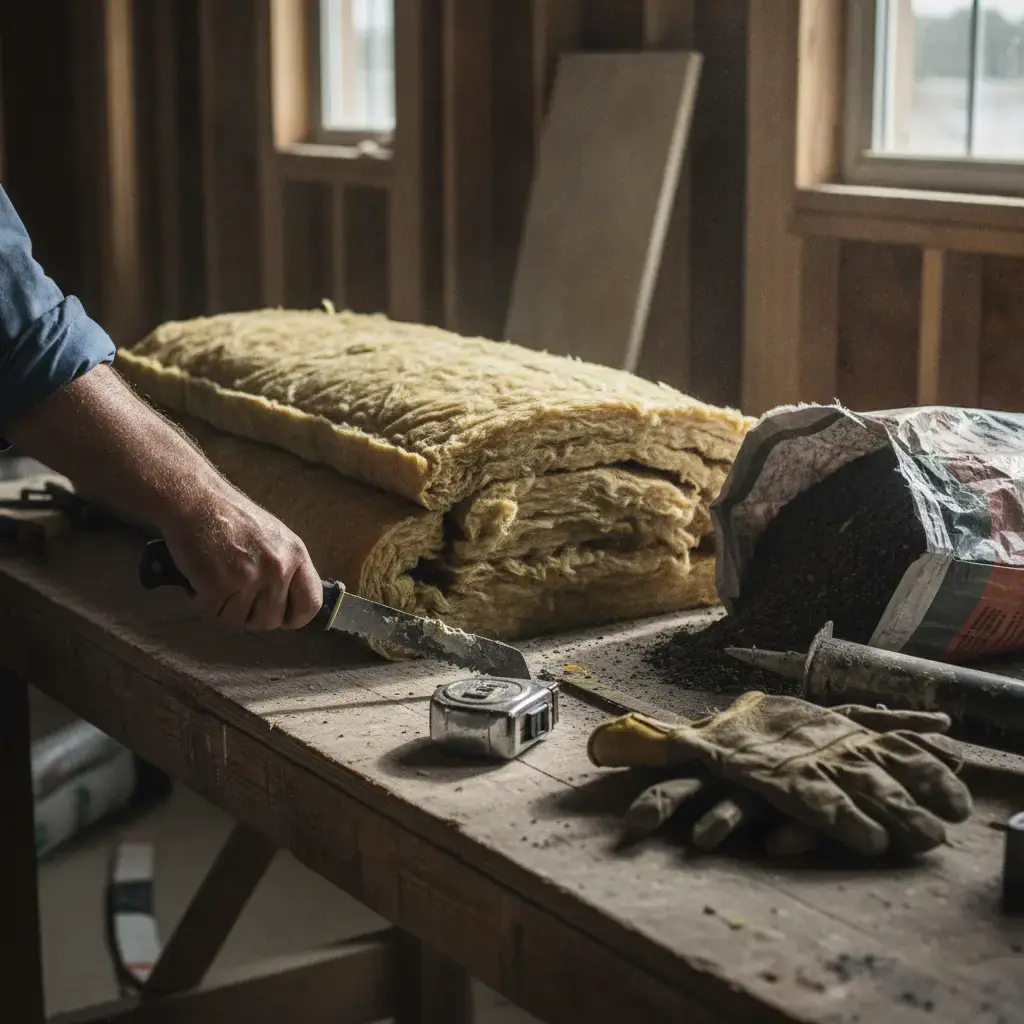
Batt insulation is one of the most widely used insulation methods in residential and commercial construction — consisting of pre-cut panels of fibrous material, typically fiberglass or mineral wool, fitted precisely between wall studs, floor joists, and ceiling rafters. In Orange, CA, where summer temperatures routinely climb past 95°F and cool marine air pushes through the Santa Ana winds corridor, proper thermal barriers are not a luxury — they are a necessity for year-round comfort and energy efficiency.
At Home Comfort Insulation, we specialize in professional batt insulation installation tailored to the specific climate demands, building codes, and home construction styles found throughout the City of Orange. Whether you are upgrading an older craftsman bungalow near Old Towne or insulating a new build in a master-planned community, our experienced team delivers expert results with lasting performance. Call us today at (714) 909-2175 to schedule your free assessment.
Understanding Batt Insulation in Orange
Batt insulation — sometimes called blanket insulation — is manufactured in rolls or pre-cut sections designed to fit standard stud and joist spacing of 16 or 24 inches on center. The most common materials include fiberglass, mineral wool (also called rock wool), and natural cotton fiber. Each type offers a different R-value per inch, moisture resistance profile, and fire-rating characteristic.
Fiberglass batt insulation has been a staple of American residential construction since the mid-20th century. When post-World War II housing developments expanded across Orange County in the 1950s and 1960s, fiberglass batts became the default insulation for tract homes being built at rapid pace throughout communities like Orange, Anaheim, and Garden Grove. Builders appreciated the low material cost, ease of installation, and readily available supply. The result: a significant portion of Orange’s existing housing stock was insulated with fiberglass batts that are now 50 to 70 years old — well past their optimal performance window.
Read moreShow less
Mineral wool batts, by contrast, offer superior fire resistance and acoustic dampening, making them increasingly popular in California’s Title 24 energy code-compliant new construction. Cotton fiber batts, made from recycled denim, represent an eco-conscious alternative gaining traction among homeowners in sustainability-focused neighborhoods throughout Orange.
In Orange, CA, the California Energy Commission requires minimum R-values that are often higher than federal recommendations. For attic spaces, Title 24 generally mandates R-38 or higher, while exterior walls typically require R-15 or R-21 in new construction. Older homes throughout Orange frequently fall far short of these benchmarks, sometimes testing at R-11 or even R-7 in walls insulated with thin, compressed, or deteriorated batt material installed decades ago.
Batt insulation is applicable across virtually all building types common in Orange: single-family residences, townhomes, duplexes, light commercial buildings, and multi-family structures. It pairs effectively with spray foam insulation as an air sealing complement and can be installed during renovation, new construction, or as part of a targeted insulation replacement project. Understanding which batt product is right for your specific building type and location within Orange is the foundation of every project we undertake.
Why Batt Insulation Is Needed in Orange, CA
Extreme Heat and the Urban Heat Island Effect
Orange regularly records summer afternoon temperatures between 95°F and 105°F, particularly in inland-facing neighborhoods like Santiago Hills and Serrano Heights. Data from the National Weather Service Los Angeles office confirms that Orange averages more than 40 days per year with temperatures exceeding 90°F. The urban heat island effect — driven by dense paving, commercial corridors along Chapman Avenue and Katella Avenue, and rooftop HVAC equipment — can add 3 to 7°F above regional ambient temperatures in densely developed ZIP codes like 92868 and 92869.
Homes without adequate attic batt insulation in these zones experience radiant heat gain that forces air conditioning systems to run 20 to 40% longer than necessary, according to Department of Energy modeling. A properly R-38-rated attic assembly can reduce heat gain by up to 50% compared to an uninsulated or under-insulated space.
Santa Ana Wind Events and Rapid Temperature Swings
Orange County’s infamous Santa Ana wind events — documented as far back as the October 2007 Witch-Millard-Harris fires complex that displaced over 500,000 residents across Southern California — bring hot, desiccating air that drops humidity below 10% and drives outdoor temperatures well above seasonal norms. In Orange specifically, Santa Ana conditions regularly produce temperature differentials of 20 to 30°F between morning and peak afternoon readings within a single day. Inadequately insulated wall assemblies allow this thermal volatility to penetrate living spaces rapidly, creating both comfort issues and spikes in energy consumption.
Aging Housing Stock in Old Towne and Surrounding Neighborhoods
Old Towne Orange — a nationally recognized historic district centered on the original 1886 plaza — contains hundreds of craftsman bungalows, Spanish revival homes, and California colonials built between 1900 and 1950. Many of these homes were constructed before modern insulation standards existed and have never received meaningful thermal upgrades. Wall cavities in these structures often contain compressed, moisture-damaged, or entirely absent batt insulation. Similar conditions exist in the Villa Park-adjacent neighborhoods west of Tustin Street, where mid-century ranch homes built in the 1950s and 1960s routinely show R-values tested at R-7 to R-11 — less than half of current Title 24 requirements.
Moisture Intrusion and Coastal Humidity Cycles
Despite Orange’s semi-arid reputation, the city experiences measurable winter rainfall averaging 15 inches annually, concentrated between November and March. Marine layer events — colloquially called the “June Gloom” pattern — push overnight relative humidity levels above 80% in western Orange ZIP codes. Fiberglass batt insulation that has been exposed to even minor moisture intrusion loses R-value and becomes a substrate for mold growth within wall and ceiling cavities, making proactive inspection and replacement a recurring need throughout the city.
Free, no-obligation estimates
Talk to Home Comfort Insulation
Tell us what you need and we’ll take it from there.
Signs You Need Batt Insulation Service in Orange
Energy and Comfort Indicators
- Monthly electric bills consistently higher than comparable neighbors during June–September cooling season
- Rooms along the south or west-facing walls of your home feel noticeably hotter than interior rooms during afternoon hours
- HVAC system runs continuously without reaching set temperature during Santa Ana wind events
- Drafts noticeable near wall outlets, switch plates, or along baseboards even when windows are closed
Visual and Physical Symptoms
- Visible fiberglass batts in attic showing discoloration, compression, or sagging between joists
- Dark staining or streaking on batt material indicating moisture absorption and potential mold colonization
- Missing insulation sections visible through attic hatch or crawl space access
- Gaps, voids, or improperly fitted batts around plumbing, electrical runs, or HVAC ductwork
Structural and Age-Based Urgency Signals
- Home was built before 1978 and has never received an insulation upgrade or energy audit
- Recent rodent activity in attic or crawl space — animals frequently nest in and destroy batt insulation
- Post-renovation exposure of wall cavities revealing original thin or absent insulation
- Condensation forming on interior wall surfaces during winter months — a hallmark of thermal bridging through an under-insulated assembly
Our process
Our Batt Insulation Process in Orange
- 01
Comprehensive Site Assessment (Day 1 — 1 to 2 hours)
Every project begins with a thorough walkthrough of your Orange property. Our technician evaluates existing insulation condition using both visual inspection and infrared thermography where applicable. We document existing R-values, identify air leakage pathwa
- 02
Scope Definition and Material Selection (Day 1 — Same Visit)
Based on assessment findings, we specify the appropriate batt insulation material — fiberglass, mineral wool, or cotton fiber — along with target R-values calibrated to your building’s orientation, shading conditions, and HVAC system capacity. For older homes
- 03
Preparation and Old Insulation Removal (Day 1–2)
When existing insulation is damaged, compressed below functional R-value thresholds, or contaminated, our team performs professional insulation removal before new material is installed. We use HEPA-filtered vacuum equipment and properly bag and dispose of old
- 04
Air Sealing Preparation (Day 1–2)
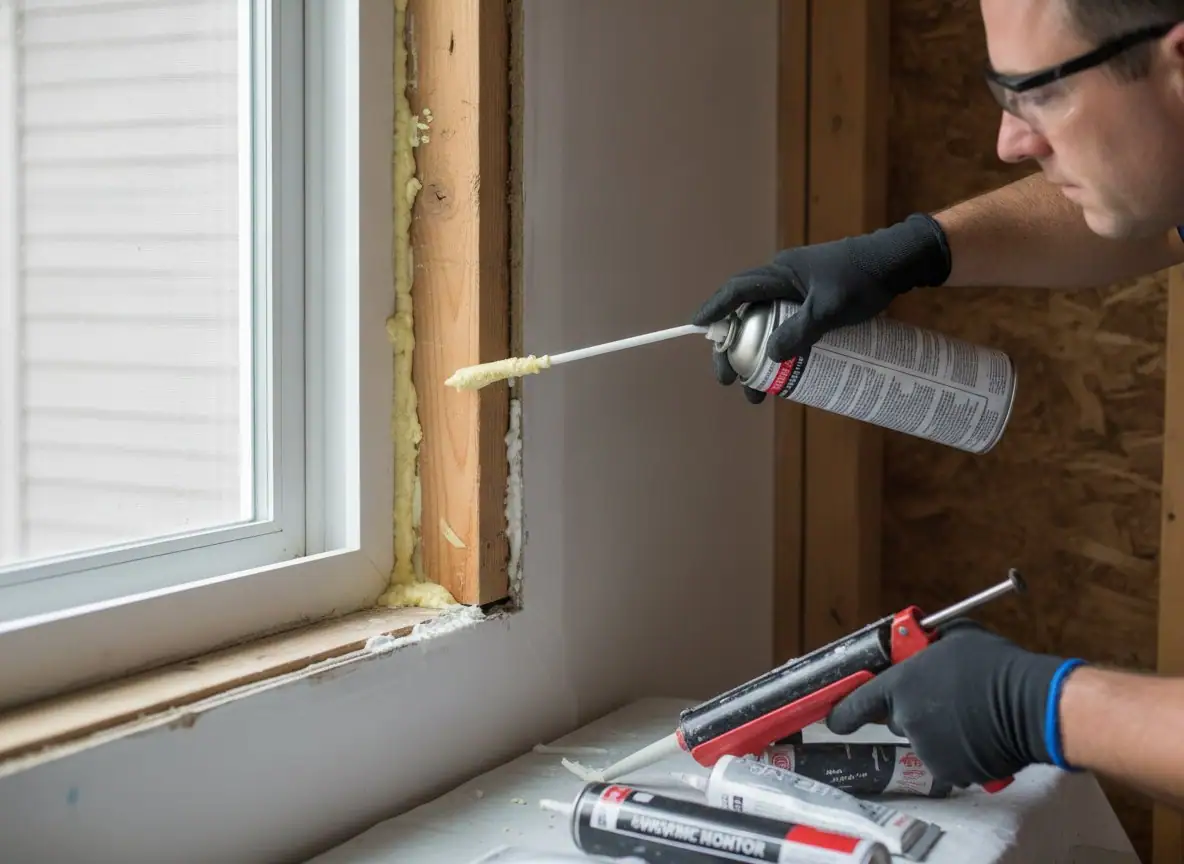
Before any batt material is placed, we seal penetrations, gaps around top plates, and attic bypasses using either canned foam or spray foam applied to small areas. In Orange’s climate, this step is critical because air leakage accounts for up to 40% of a home’
- 05
Batt Installation (Day 2–3 Depending on Scope)
Our installers fit batts friction-tight within cavities without compression or gaps. We cut custom sections for irregular framing common in pre-1960 Orange homes, ensure vapor retarder facing is oriented correctly per California climate zone requirements, and
- 06
Quality Verification (Day 3)
We conduct a systematic review of all installed areas, confirming continuous coverage, proper facing orientation, and absence of voids. Attic installations are photographed for your records.
- 07
Final Walkthrough and Homeowner Education (Day 3 — 30 Minutes)
We walk you through what was completed, explain maintenance checkpoints specific to your home’s configuration, and answer any questions about long-term care.
Batt Insulation Methods and Approaches We Use
Standard Fiberglass Batt Installation
The most common approach for new construction and straightforward retrofit projects. Fiberglass batts are available in R-13, R-15, R-19, R-21, R-30, and R-38 configurations. We use this method in accessible wall cavities, standard attic floor assemblies, and floor systems above conditioned crawl spaces throughout Orange’s newer residential neighborhoods like Serrano Heights and Broadmoor.
Mineral Wool Batt Installation
Preferred for fire-rated assemblies, party wall applications in townhomes and condominiums, and locations where superior moisture resistance is needed. Mineral wool’s hydrophobic properties make it particularly appropriate for homes in Orange’s lower-lying areas near the Santiago Creek drainage corridor where seasonal moisture is more pronounced.
High-Density Batt Installation
For 2×4 wall cavities where standard R-13 is insufficient to meet current Title 24 targets, we install high-density R-15 batts that achieve higher R-values within the same framing depth. This approach is common in Old Towne Orange renovation projects where exterior wall thickness cannot be changed without impacting historic character.
Hybrid Batt and Spray Foam Systems
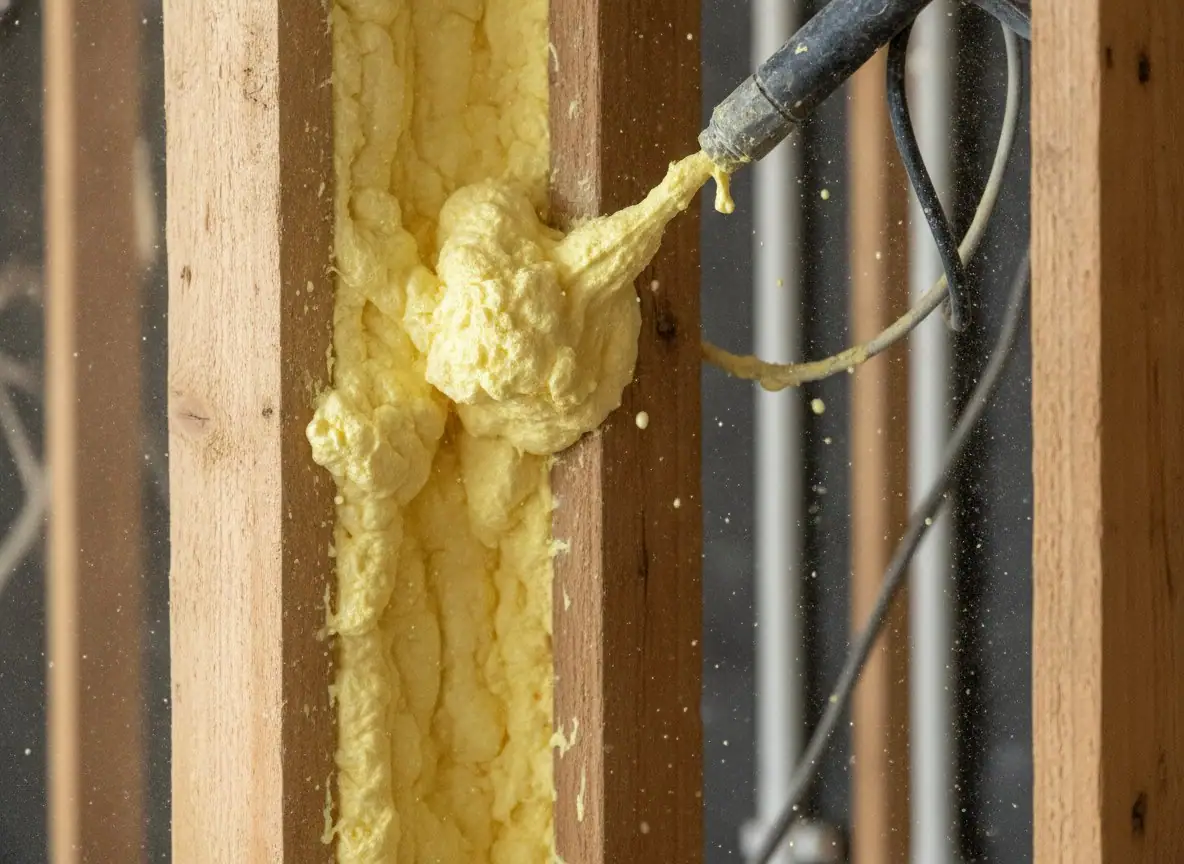
For maximum performance, we combine batt insulation with a thin layer of closed-cell spray foam insulation on the interior face of exterior sheathing. This hybrid method achieves superior R-values, eliminates thermal bridging through studs, and provides continuous air barrier performance that batts alone cannot deliver. Ideal for energy-focused renovations and title 24 compliance upgrades.
Crawl Space and Specialty Area Batt Application
For floor systems above unconditioned crawl space insulation projects, we install unfaced fiberglass batts secured with wire supports between floor joists. This approach works in tandem with crawl space encapsulation for comprehensive moisture and thermal control.
Batt Insulation Cost in Orange, CA
Understanding the cost of batt insulation in Orange helps homeowners plan and budget effectively. Pricing varies based on area size, material type, existing insulation condition, and accessibility of the installation area.
Typical Cost Ranges
- Attic Batt Insulation (per square foot): $1.50 to $3.50 installed, depending on target R-value and existing conditions
- Wall Batt Insulation (per square foot): $1.00 to $2.75 installed for accessible open-cavity work during renovation
- Floor/Crawl Space Batt (per square foot): $1.75 to $3.25 installed
- Mineral Wool vs. Fiberglass Premium: Mineral wool batts typically add $0.25 to $0.75 per square foot over comparable fiberglass
- Old Insulation Removal: $0.75 to $1.50 per square foot when removal is needed prior to reinstallation
Read moreShow less
Typical Project Totals in Orange
- Average 1,500 sq ft attic insulation project: $2,200 to $5,000
- Whole-home wall cavity insulation during gut renovation: $3,500 to $8,500
- Crawl space floor insulation (800–1,200 sq ft): $1,400 to $3,900
Orange-Specific Cost Factors
Orange County labor rates run 15 to 25% above national averages, reflecting California’s prevailing wage environment and high cost of living. California’s Title 24 compliance requirements sometimes necessitate higher R-value products than other states, marginally increasing material costs. However, Southern California Edison rebate programs and the federal Inflation Reduction Act’s 25C tax credit (providing up to 30% of insulation costs, capped at $1,200 annually) can significantly offset your out-of-pocket investment. Call (714) 909-2175 for a precise estimate tailored to your Orange home.
Orange Neighborhoods We Serve
Old Towne Orange
The historic core of Orange, featuring craftsman bungalows and colonial revival homes built primarily between 1900 and 1945. Properties here often have original knob-and-tube wiring and wall cavities insulated only with cellulose newspaper or completely bare. We specialize in non-invasive batt upgrades that preserve historic fabric while dramatically improving thermal performance.
Santiago Hills
An elevated, inland-facing community in eastern Orange where temperatures run 3 to 5°F hotter than the city average. Homes built in the 1980s and 1990s often have original R-19 attic insulation well below current R-38 requirements. Batt upgrade projects here deliver some of the highest energy savings returns in the city.
Serrano Heights
A newer master-planned community with homes built primarily from the late 1990s through mid-2000s. Title 24 compliance is generally closer to current standards, but air sealing deficiencies and compressed original batts are common findings during our assessments.
Chapman Hills
A hillside community featuring custom and semi-custom homes with complex rooflines and vaulted ceilings. Specialty cut batt sections and hybrid insulation approaches are frequently required to address irregular framing cavities and cathedral ceiling assemblies in this neighborhood.
West Orange (Near Katella Corridor)
A mix of 1960s–1980s tract homes with varied insulation histories. Urban heat island effects are pronounced near commercial arterials, making attic batt upgrades especially impactful for homeowners in this zone.
Batt Insulation Maintenance Tips for Orange Homeowners
- Annual Attic Visual Inspection: Each fall before the rainy season (October–November), visually inspect your attic insulation for signs of settling, moisture staining, or pest disturbance. Orange’s rainy season runs November through March.
- Check After Santa Ana Events: Following significant Santa Ana wind events, inspect attic vents and insulation near eave areas for wind-blown displacement or debris accumulation.
- Maintain Attic Ventilation: Ensure soffit and ridge vents remain unobstructed. Blocked ventilation causes moisture buildup that degrades batt performance over time — a common issue in Orange homes with heavy landscaping near rooflines.
- Monitor for Rodent Access: Orange’s foothill-adjacent neighborhoods experience seasonal rodent pressure. Seal any roof-line gaps promptly. Rats and mice destroy batt insulation for nesting material within weeks.
- Test Energy Bills Seasonally: Compare August electric bills year over year. A sustained increase without change in usage habits suggests insulation degradation.
- Schedule Professional Re-Inspection Every 10 Years: Batt insulation in Orange’s climate should be professionally evaluated every decade, particularly in homes over 25 years old.
- Address Plumbing Leaks Immediately: Even minor roof or plumbing leaks can saturate batt insulation within hours. Wet fiberglass loses up to 40% of its R-value and must be replaced, not dried in place.
Why Choose Home Comfort Insulation for Batt Insulation in Orange
Home Comfort Insulation is a locally focused insulation contractor serving Orange and surrounding Orange County communities. Our technicians understand the specific climate challenges, housing stock characteristics, and building code requirements that define insulation work in Orange, CA — from the historic homes of Old Towne to the hillside custom builds of Chapman Hills.
We take a whole-house performance approach, evaluating not just insulation R-values but air sealing, ventilation, and moisture management together. This comprehensive perspective ensures the batt insulation we install performs at rated value throughout its service life rather than degrading prematurely due to overlooked air leakage or moisture pathways.
Read moreShow less
Our full-service capabilities — including attic insulation, blow-in insulation, insulation removal, spray foam insulation, and crawl space encapsulation — mean we can handle every aspect of your home’s thermal envelope in a single, coordinated engagement. We are committed to transparent pricing, honest assessments, and work completed to California Title 24 standards. Call (714) 909-2175 or schedule online to get started.
FAQ
Frequently Asked Questions: Batt Insulation in Orange, CA
How much does batt insulation cost in Orange, CA?
Batt insulation in Orange typically costs between $1.00 and $3.50 per square foot installed, depending on the area being insulated, material type (fiberglass vs. mineral wool), and whether old insulation removal is required. A typical attic project for an Orange home runs $2,200 to $5,000 total. Orange County labor rates are higher than the national average, but California rebates and the federal 25C tax credit can offset a significant portion of the investment.
How long does batt insulation installation take in Orange?
Most residential batt insulation projects in Orange are completed in one to three days. A straightforward attic insulation upgrade in a 1,400 square foot home typically takes one full day. Projects that include old insulation removal, extensive air sealing, or complex framing conditions — common in Old Towne historic homes — may require two to three days.
What R-value do I need for my Orange, CA home?
California’s Title 24 energy code, applied to Orange’s Climate Zone 3B/3C designation, generally requires R-38 in attic assemblies for existing homes being renovated and R-49 in some new construction scenarios. Exterior walls typically require R-15 to R-21. Many older Orange homes tested by our team show existing attic insulation at only R-11 to R-19, representing a significant performance gap that directly increases cooling costs during Orange’s long, hot summers.
Is batt insulation or blow-in insulation better for my Orange attic?
Both have merit depending on your specific attic configuration. Batt insulation installs quickly, achieves targeted R-values predictably, and is easy to inspect. Blow-in insulation excels at filling irregular spaces and achieving consistent depth over large attic floor areas. For many Orange attics with standard joist spacing and accessible decking, batts are an excellent, cost-effective choice. For attics with complex obstructions or existing partial insulation being topped up, blow-in may be preferable. Our assessment will recommend the optimal approach for your specific attic.
Can batt insulation get moldy in Orange’s climate?
Fiberglass batt insulation itself does not support mold growth, but the organic dust and debris that collects within and around batts can. More critically, fiberglass batts that become wet — from roof leaks, HVAC condensate issues, or plumbing failures — lose significant R-value and create conditions where mold can grow on adjacent wood framing. Orange’s winter rains and periodic marine layer humidity mean moisture management is an important consideration in every insulation project we complete here.
Do I need to upgrade my insulation to sell my Orange home?
California does not legally require insulation upgrades as a condition of home sale, but Title 24 compliance documentation is increasingly expected during buyer inspections in Orange’s competitive real estate market. Homes with documented insulation upgrades typically command stronger offers and spend fewer days on market. A batt insulation upgrade is one of the most cost-effective pre-sale improvements available to Orange homeowners.
Are there rebates available for batt insulation in Orange?
Yes. Southern California Edison offers rebates for qualifying insulation improvements under their Home Energy Efficiency programs. The federal Inflation Reduction Act’s 25C Energy Efficient Home Improvement Tax Credit provides 30% of insulation project costs up to $1,200 per year. The City of Orange also periodically participates in Orange County-wide energy efficiency programs. Our team can advise you on current rebate eligibility during your assessment.
How do I know if my existing batt insulation needs replacing?
Key indicators include insulation that is visibly compressed, discolored, or wet; energy bills that have increased without a change in usage; rooms that fail to maintain temperature during summer heat events; and any home in Orange built before 1985 that has never received an insulation upgrade. Our free site assessment will give you definitive answers based on measured conditions, not guesswork.
Get Expert Batt Insulation Service in Orange, CA Today
If your Orange home is losing conditioned air through inadequate, aging, or damaged batt insulation, every month of delay means higher energy bills and reduced indoor comfort. Home Comfort Insulation is ready to assess your property, recommend the right solution for your specific home and neighborhood, and complete the work with professionalism and precision.
Whether you are dealing with a pre-war craftsman in Old Towne, a 1970s ranch home near Katella Avenue, or a hillside custom build in Chapman Hills, we have the expertise and the right products to make a measurable difference in your home’s performance.
Call us now at (714) 909-2175 to schedule your free batt insulation assessment in Orange, CA. Comfortable homes start with the right insulation — and the right insulation team.
Get in touch
Find insulation help near you
Request a free estimate online or give us a call — our team will follow up quickly.
- Call us(714) 909-2175
- Visit1650 N Glassell St, Orange, CA 92867
- HoursMon-Sun 07:00-19:00