Spray Foam Insulation Cost in Orange, CA
Transparent Spray Foam Insulation Cost Pricing for Orange, CA Homeowners — Free Estimates
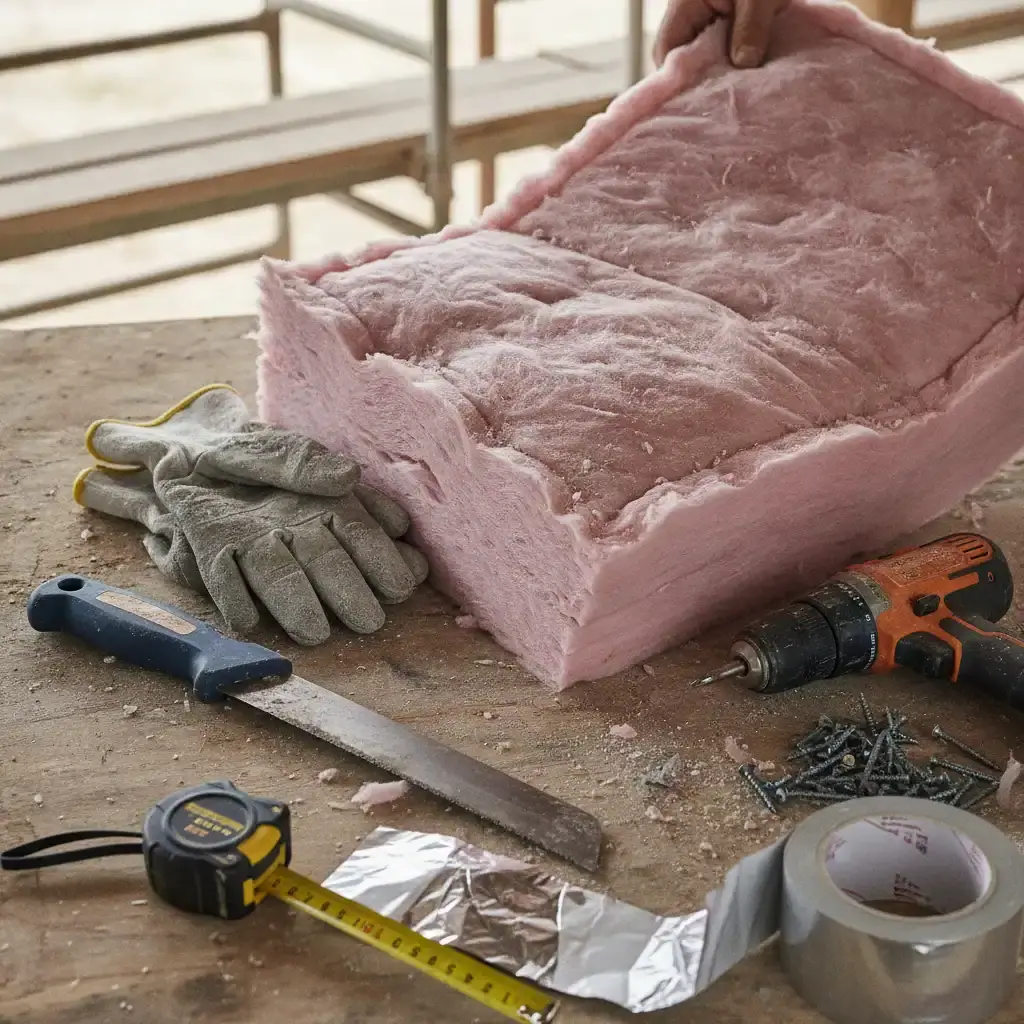
Understanding spray foam insulation cost in Orange, CA is the first step toward making a smart investment in your home’s energy efficiency and comfort. Spray foam insulation is a two-component chemical system that expands on contact to seal air gaps, cavities, and structural voids — delivering both thermal resistance and an air barrier in a single application. Unlike traditional batt or blown-in insulation, spray foam bonds directly to surfaces, creating a durable seal that resists moisture intrusion and pest entry.
In Orange, California, where summer temperatures routinely climb above 95°F and the Santa Ana winds drive rapid humidity swings, the right insulation system is not a luxury — it is a necessity. The age of your home, its construction type, and local climate conditions all directly influence the final price of a spray foam insulation project. At Home Comfort Insulation, we provide honest, itemized estimates tailored to Orange’s unique housing stock and climate demands. Call us today at (714) 909-2175 to schedule your free assessment.
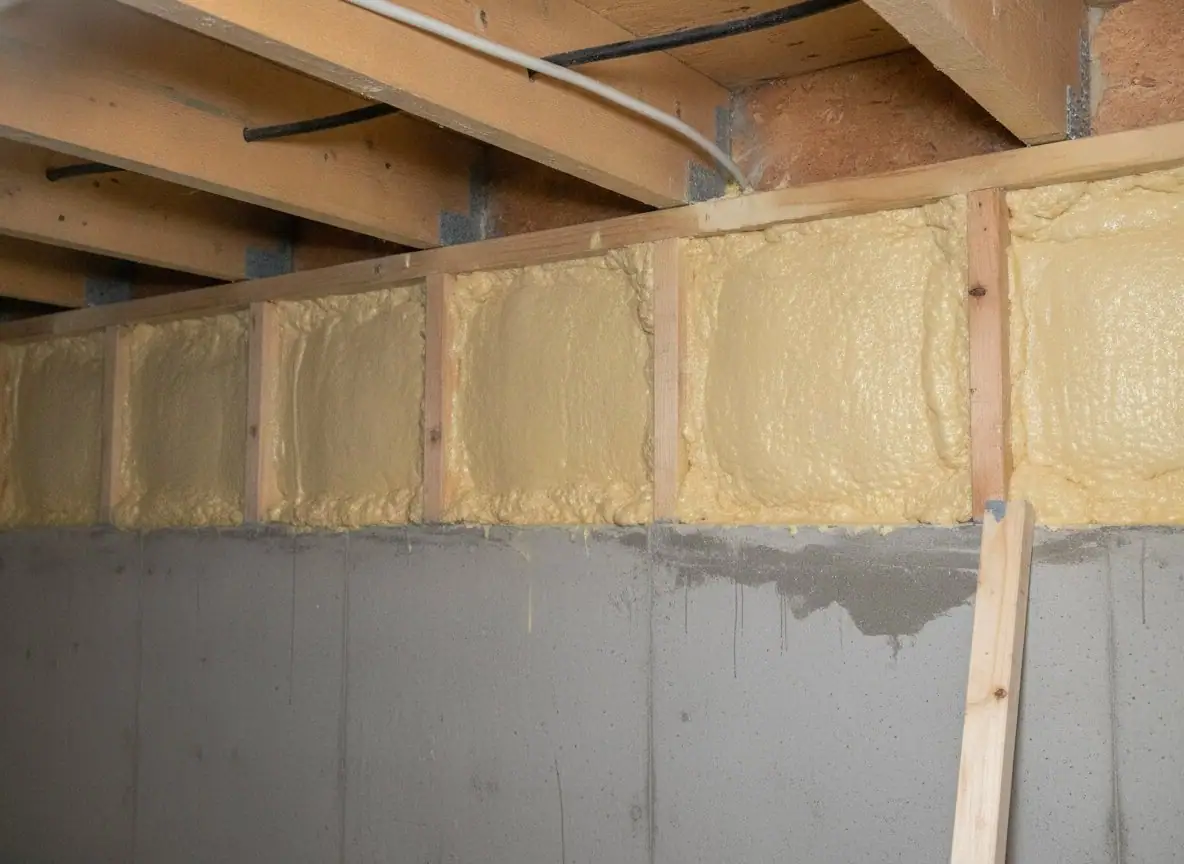
Understanding Spray Foam Insulation Cost in Orange
Spray foam insulation is a polyurethane-based material that is mixed and applied on-site by trained technicians using specialized equipment. When the two liquid components — isocyanate and polyol resin — combine at the spray nozzle, they react rapidly, expanding up to 100 times their liquid volume before curing into a rigid or semi-rigid foam. This expansion fills irregular cavities, gaps around pipes and electrical boxes, and structural framing voids that are virtually impossible to seal with traditional insulation products.
There are two primary types used in residential and light commercial applications: open-cell spray foam and closed-cell spray foam. Open-cell foam has a softer, spongy texture and an R-value of approximately R-3.5 to R-3.8 per inch. It is vapor-permeable and highly effective at sound dampening. Closed-cell foam is denser, with an R-value of R-6 to R-7 per inch, and acts as both a thermal barrier and a vapor retarder — making it especially valuable in areas prone to moisture exposure.
Read moreShow less
Historically, spray foam technology was developed in the 1940s for military aircraft applications before transitioning into commercial building use by the 1970s. By the 1990s, it had become a preferred solution in high-performance residential construction across Southern California, particularly in communities like Orange where slab-on-grade foundations and stucco exteriors dominate the housing landscape.
Orange’s housing stock spans several distinct eras. The city saw rapid development during the post-World War II boom of the late 1940s through the 1960s, producing thousands of tract homes with minimal wall insulation and uninsulated attics. The 1970s and 1980s brought larger subdivisions in areas like Serrano Heights and the Foothill Ranch corridor, constructed before California’s Title 24 energy codes reached their current stringency. Today, spray foam insulation is used in new construction, retrofit applications, crawl space encapsulation, and attic air sealing throughout Orange and surrounding communities.
For homeowners and property managers evaluating spray foam insulation options, understanding what drives cost helps ensure you receive a fair quote and the right product for your specific application.
Why Spray Foam Insulation Is Needed in Orange, CA
Extreme Heat Events and Cooling Load Demands
Orange regularly experiences heat events where temperatures exceed 100°F in neighborhoods like Villa Park Road corridor and the eastern hillside tracts near Cannon Street. During the September 2022 heat dome — one of the most severe on record in Southern California — parts of Orange County recorded sustained temperatures above 110°F for multiple consecutive days. Homes without adequate air sealing can experience thermal gains of 30–40% above properly insulated structures, translating directly into HVAC system overloads and utility bills that spike 40–60% during peak months (June through September).
Santa Ana Wind Events and Infiltration
The Santa Ana wind events that sweep through Orange every fall and winter — sometimes exceeding 60 mph — create negative pressure differentials across building envelopes. Homes built before 1978, particularly in the Old Towne Orange Historic District and the neighborhoods surrounding Chapman University, were constructed with balloon-frame or platform-frame techniques that leave wall cavities largely open to the attic and crawl space. Blower door testing in these homes routinely reveals air leakage rates of 15 to 25 air changes per hour (ACH) at 50 pascals — far above the 7 ACH maximum recommended by ENERGY STAR. Spray foam air sealing can reduce these figures to 3 ACH or below.
Mediterranean Climate Humidity Cycling
Orange’s Mediterranean climate produces wet winters and dry summers, with average January relative humidity around 70% and August figures dropping to 50–55%. This cycling causes wood framing members to expand and contract seasonally. In crawl spaces — common beneath the ranch-style homes built in the 1950s and 1960s throughout the Panorama Heights and Serrano neighborhoods — ground moisture migrates upward through unencapsulated vents, promoting mold growth and subfloor degradation. Closed-cell spray foam applied to crawl space walls and rim joists addresses this directly by eliminating the moisture pathway.
Title 24 Compliance Pressure
California’s Title 24 Building Energy Efficiency Standards have grown substantially more demanding with each triennial update. The 2022 Title 24 standards require whole-building air leakage testing for new construction and major renovations. Many homeowners in Orange undertaking kitchen remodels, room additions, or HVAC replacements now trigger insulation upgrade requirements. Spray foam insulation is frequently the most efficient path to meeting these standards while minimizing disruption to finished interior spaces.
Aging HVAC Infrastructure
A significant portion of Orange’s residential HVAC systems are more than 15 years old, operating in attics where ambient temperatures can reach 140–150°F during summer afternoons. When duct systems run through these superheated attic spaces with inadequate insulation around them, conditioned air loses 20–30% of its cooling capacity before reaching living areas. Encapsulating attic spaces with spray foam and converting them to conditioned envelopes dramatically reduces this duct loss and extends equipment lifespan.
Free, no-obligation estimates
Talk to Home Comfort Insulation
Tell us what you need and we’ll take it from there.
Signs You Need Spray Foam Insulation in Orange
Energy and Utility Indicators
- Monthly electricity bills exceeding $200–$300 during summer months without a corresponding increase in usage habits
- HVAC system running continuously for more than 20 minutes per cycle during temperatures above 85°F
- Rooms that are consistently 5°F or more warmer or cooler than the thermostat setting
Structural and Environmental Symptoms
- Visible daylight or drafts around electrical outlets, recessed light fixtures, or where walls meet floors
- Musty odors in crawl spaces, basements, or lower-level rooms — especially after winter rains
- Condensation on interior wall surfaces or window frames during morning hours in winter
- Evidence of pest intrusion, including rodent droppings or insect activity in attic or crawl space areas
Comfort and Indoor Air Quality Signals
- Increased dust accumulation on surfaces, indicating unfiltered outdoor air entering the living envelope
- Allergy symptoms that worsen indoors — a sign of uncontrolled outdoor air infiltration during Santa Ana wind events
- Noise transmission from outside that seems disproportionate to the building’s age or wall thickness
Urgency Indicators
If your attic insulation measures less than R-38 (approximately 12 inches of blown fiberglass) or your crawl space has no vapor barrier, these are not minor deficiencies — they represent immediate opportunities for substantial energy savings and structural protection. Contact Home Comfort Insulation for a same-week assessment at (714) 909-2175.
Our process
Our Spray Foam Insulation Process in Orange, CA
- 01
Free On-Site Assessment (Day 1 — 60 to 90 Minutes)
A Home Comfort Insulation specialist visits your property to document current insulation levels, air leakage points, and moisture conditions. We photograph existing conditions in the attic, crawl space, and wall cavities, and take thermal measurements where ac
- 02
Detailed Written Estimate (Within 24–48 Hours)
We provide an itemized written proposal specifying foam type (open-cell or closed-cell), application area, installed R-value, and total project cost. We identify applicable utility rebates through Southern California Edison’s Energy Savings Assistance Program,
- 03
Pre-Installation Preparation (Morning of Installation)
Crew arrives with a fully equipped spray rig — temperature-controlled hose sets calibrated for Orange’s ambient conditions, which affect foam expansion ratios. Work areas are masked and protected. Occupants are advised to vacate the property for a minimum of 2
- 04
Surface Preparation and Pre-Treatment (1–2 Hours)
All application surfaces are cleaned of debris, existing damaged insulation is removed if needed, and penetrations such as plumbing lines, electrical conduit, and HVAC boots are pre-sealed with compatible foam backer rod or caulk to ensure optimal adhesion of
- 05
Spray Foam Application (2–6 Hours Depending on Scope)
Technicians apply foam in lifts — typically no more than 2 inches per pass for closed-cell foam to manage exothermic heat buildup. Multiple lifts are applied until the specified R-value is achieved. In Orange attic applications targeting R-38 or R-49 complianc
- 06
Inspection and Quality Verification (30–60 Minutes)
Installed thickness is measured at multiple points using a calibrated depth probe. Photographs document final coverage. Any voids or thin spots are addressed before crew departure.
- 07
Post-Cure Clearance and Documentation (24 Hours After Application)
We provide a completion report with before-and-after documentation suitable for utility rebate submissions and building permit close-out inspections with the City of Orange Building Division.
Spray Foam Insulation Methods and Approaches
Open-Cell Spray Foam (R-3.5 to R-3.8 per Inch)
Best suited for interior wall cavities, interior attic rafter applications where vapor permeability is desirable, and sound-dampening applications in party walls between living areas. In Orange’s dry summer climate, open-cell foam allows walls to dry to the interior if any moisture does penetrate — an important consideration for stucco-clad homes where bulk water management is complex. Typical installed cost: $1.00–$1.50 per board foot.
Closed-Cell Spray Foam (R-6 to R-7 per Inch)
The premium solution for crawl space encapsulation, rim joist sealing, below-grade applications, and roofline air sealing where structural rigidity and vapor control are both required. Closed-cell foam adds measurable racking strength to wall assemblies — a relevant benefit in Orange County’s seismically active region. Typical installed cost: $2.00–$3.50 per board foot.
Hybrid Applications (Open-Cell Over Closed-Cell)
In deep rafter bays — common in the custom homes built in the Orange Park Acres area — a hybrid approach applies a 2-inch closed-cell base coat for vapor control and structural bridging, topped with open-cell foam to achieve the target R-value economically. This balances performance with cost efficiency.
Flash-and-Batt
A 1- to 2-inch closed-cell flash coat is applied to the cavity face, followed by conventional fiberglass batt insulation to fill the remainder. This method achieves Title 24 compliance in new construction at a lower material cost than full-fill spray foam, and is frequently used in Orange’s active new-build tracts in the southern portions of the city.
Injection Foam for Existing Walls
For retrofit applications in finished-interior homes — particularly the post-war bungalows and cottage-style homes near Old Towne Orange — injection foam is introduced through small-diameter holes drilled in the exterior stucco or interior drywall, then patched seamlessly. This method avoids the cost and disruption of full wall demolition. Learn more about our insulation installation services.
Spray Foam Insulation Cost in Orange, CA — What to Expect
Spray foam insulation pricing in Orange is influenced by material type, project scope, accessibility, and current market conditions for chemical components. The following ranges represent typical residential project costs in the Orange market as of 2024:
- Open-Cell Spray Foam: $1.00–$1.50 per board foot (one board foot = one square foot at one inch thick)
- Closed-Cell Spray Foam: $2.00–$3.50 per board foot
- Attic Air Sealing and Insulation (1,500 sq ft attic): $3,500–$7,500 depending on existing conditions and target R-value
- Crawl Space Encapsulation with Closed-Cell Foam: $5,000–$12,000 for a typical 1,200–2,000 sq ft crawl space
- Rim Joist Sealing (perimeter application): $800–$2,500 for a standard single-story home
- Whole-House Retrofit (walls, attic, crawl space): $10,000–$25,000+
Read moreShow less
Location-specific cost factors in Orange include: permit fees from the City of Orange Building Division (typically $150–$400 for insulation permits), elevated labor costs in the Southern California market compared to national averages, and summer-season demand surges that can push pricing 8–12% above fall and winter rates. Southern California Edison and SoCalGas offer rebates that may offset $500–$1,500 of qualifying project costs for Orange residents who meet income or efficiency thresholds.
For a precise estimate on your specific property, call (714) 909-2175 or explore our blow-in insulation and crawl space encapsulation service pages for comparison pricing.
Neighborhoods We Serve in Orange, CA
Old Towne Orange
One of the largest historic districts in California, Old Towne Orange features craftsman bungalows, Victorian cottages, and Spanish Colonial Revival homes built primarily between 1905 and 1945. These structures lack modern insulation entirely in many cases, with 2×4 wall framing that limits cavity depth. Injection foam and attic air sealing are the most practical and preservation-sensitive approaches here.
Serrano Heights
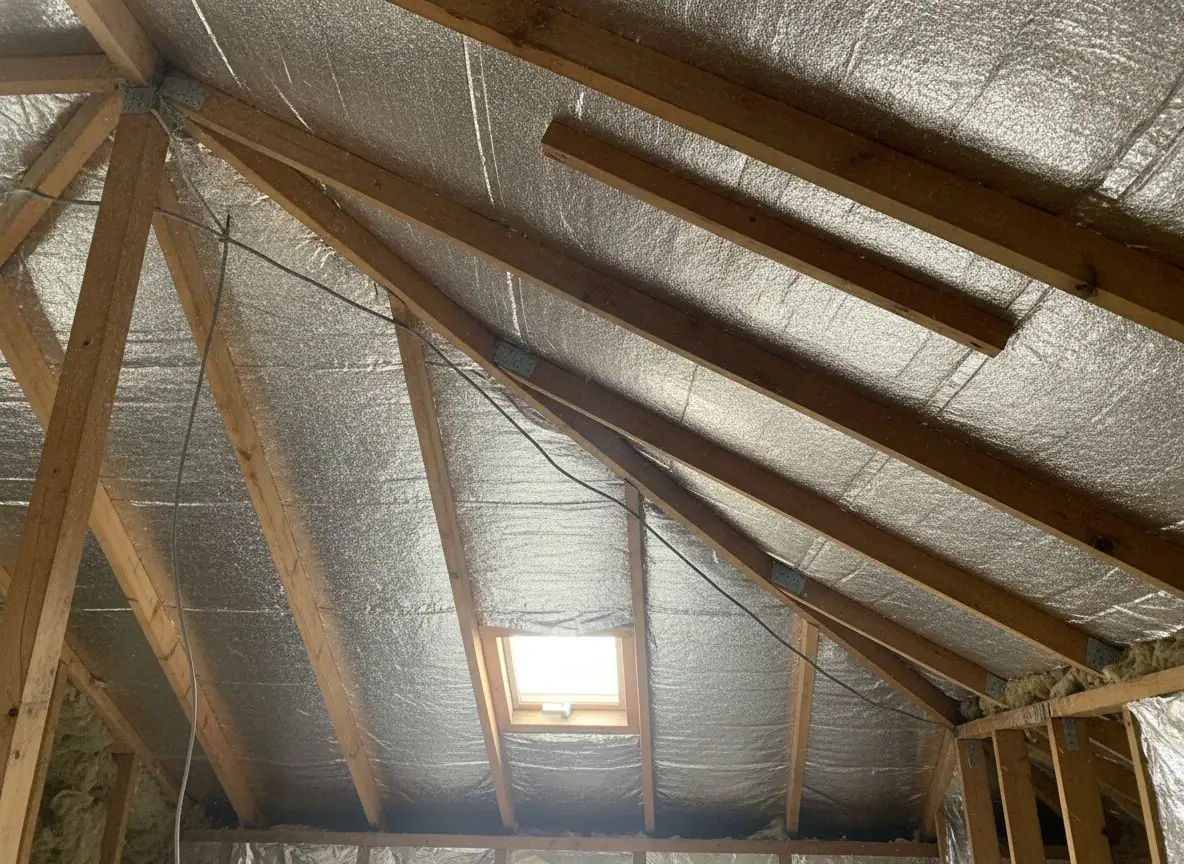
This hillside community east of Cannon Street features custom and semi-custom homes from the 1980s and 1990s with vaulted ceilings and complex rooflines. These homes often have inaccessible rafter bays and duct systems running through unconditioned attic space — prime candidates for closed-cell roofline spray foam.
Orange Park Acres
A semi-rural equestrian community with large estate properties and older ranch-style homes. Many structures here have expansive crawl spaces beneath wood-framed floors — a moisture and pest vulnerability that crawl space encapsulation addresses directly.
Chapman Hills
A newer planned community with homes from the late 1990s through 2000s that may appear modern but often fall short of current Title 24 insulation requirements. Flash-and-batt upgrades and attic air sealing deliver the most cost-effective compliance path here.
Maintenance Tips for Spray Foam Insulation in Orange
- Annual Attic Inspection: Check for pest intrusion evidence each fall before Santa Ana wind season. Rodents can tunnel through open-cell foam if entry points in the building envelope are not sealed.
- Monitor Crawl Space Moisture: After January and February rains — Orange’s peak precipitation months averaging 3–4 inches per month — inspect crawl space for standing water or condensation on foam surfaces.
- UV Protection for Exposed Foam: Spray foam that is exposed to direct sunlight (e.g., in open garage rafters or exterior applications) must be protected with an approved UV-resistant coating, as UV degrades foam surface integrity within 6–12 months of exposure.
- HVAC Filter Changes: With an air-sealed envelope, indoor air quality depends more heavily on your HVAC filtration system. Change filters every 60–90 days, particularly during Santa Ana wind events when outdoor particulate matter peaks.
- Seal New Penetrations Promptly: Any new plumbing, electrical, or cable penetrations through insulated assemblies must be sealed with compatible spray foam or caulk within 30 days of installation.
- Periodic Thermal Imaging: Every 5–7 years, commission an infrared thermal scan of your building envelope to identify any areas where foam has debonded or been physically disturbed during renovation work.
- Document Installed Specifications: Retain your installation completion report for future Title 24 compliance verification and home sale disclosures.
Why Choose Home Comfort Insulation in Orange, CA
Home Comfort Insulation is a locally focused insulation contractor serving Orange and the surrounding communities of Orange County. Our technicians are trained specifically in spray foam application chemistry, building science principles, and California Title 24 compliance — the combination of expertise required to deliver results that hold up in Orange’s demanding climate.
We use commercial-grade spray rigs with heated hose systems that maintain optimal chemical temperatures regardless of ambient outdoor conditions — a critical quality control factor that budget contractors often overlook. Our material suppliers are established polyurethane manufacturers whose products meet California’s rigorous VOC and flame-spread standards.
Read moreShow less
Every project includes before-and-after documentation, a written completion report, and support for Southern California Edison and SoCalGas rebate applications. We carry full general liability insurance and workers’ compensation coverage, and our work product complies with City of Orange building permit requirements.
We also offer insulation removal, attic insulation, and crawl space insulation as complementary services. Call (714) 909-2175 to speak directly with an Orange-area insulation specialist today.
FAQ
Frequently Asked Questions — Spray Foam Insulation Cost in Orange, CA
How much does spray foam insulation cost for a typical Orange, CA home?
For a 1,500–2,000 square foot single-story home in Orange, attic spray foam air sealing combined with blown-in insulation typically ranges from $3,500 to $7,500. Full crawl space encapsulation adds $5,000–$12,000. A comprehensive whole-house retrofit including walls, attic, and crawl space can range from $10,000 to $25,000 or more depending on existing conditions and material selection.
Is open-cell or closed-cell spray foam better for Orange’s climate?
Closed-cell foam is preferred for crawl spaces, rim joists, and exterior-facing applications in Orange due to its higher R-value per inch and vapor-retarding properties — important given the city’s wet winters and moisture-laden Santa Ana wind events. Open-cell foam is suitable for interior wall cavities and attic rafter applications where vapor permeability supports drying to the interior.
How long does a spray foam insulation installation take in Orange?
A typical attic air sealing project takes 4–6 hours. A full crawl space encapsulation takes 6–8 hours. Comprehensive whole-house retrofits are generally completed in 1–2 full days. Occupants must vacate for at least 24 hours post-application during the chemical cure window.
Are there rebates available for spray foam insulation in Orange, CA?
Yes. Southern California Edison and SoCalGas both offer Energy Upgrade California rebates for qualifying insulation improvements. Rebate amounts typically range from $500 to $1,500 for eligible Orange residents who meet income qualifications or achieve specific energy efficiency thresholds. The federal Inflation Reduction Act also provides a 30% tax credit (up to $1,200 annually) for residential energy efficiency improvements including insulation.
Will I need a permit from the City of Orange for spray foam insulation?
Permits are required for spray foam applications in new construction and for certain retrofit projects that alter the building’s thermal envelope. The City of Orange Building Division processes residential insulation permits, typically within 5–10 business days. Home Comfort Insulation prepares permit documentation as part of our project process for applicable scopes of work.
How long does spray foam insulation last in Southern California conditions?
Properly installed spray foam insulation has a useful life of 80+ years when protected from UV exposure and physical damage. In Orange’s climate, the primary longevity threats are pest intrusion (requiring periodic perimeter inspections) and UV degradation on any exposed surfaces. Interior and crawl space applications in protected assemblies are essentially permanent.
Can spray foam insulation be installed in homes in the Old Towne Orange Historic District?
Yes. Injection foam is the standard method for historic-district homes in Old Towne Orange, as it can be installed through small drill holes without disturbing original plaster, wood lath, or exterior stucco. Interior and attic applications are also fully compatible with preservation requirements. We coordinate with Orange’s Community Development Department when project scope requires design review.
What is the difference between spray foam and blow-in insulation for Orange homes?
Blow-in insulation (fiberglass or cellulose) provides thermal resistance but does not create an air barrier — meaning conditioned air can still migrate through the insulation layer. Spray foam creates both an air barrier and a thermal barrier simultaneously, which is why it delivers superior energy performance in Orange’s high-infiltration-risk climate. Many projects combine both: spray foam for air sealing at the attic floor and rim joists, with blow-in insulation filling the remaining attic cavity for cost-effective R-value. Explore our blow-in insulation page to compare options.
Get Your Spray Foam Insulation Quote in Orange, CA Today
Stop overpaying on energy bills and start living in a home that stays comfortable through Orange’s scorching summers and dry Santa Ana wind events. Home Comfort Insulation is ready to assess your property, explain your options clearly, and provide a no-obligation written estimate — usually within 24 to 48 hours of your initial call.
Whether you need attic air sealing in Serrano Heights, crawl space encapsulation in Orange Park Acres, or a full retrofit in Old Towne Orange, we bring the local expertise and professional equipment to do the job correctly the first time.
Call (714) 909-2175 now to speak with an Orange-area insulation specialist. You can also visit our contact page to request a callback at your convenience. Serving Orange, CA and surrounding Orange County communities.
Get in touch
Find insulation help near you
Request a free estimate online or give us a call — our team will follow up quickly.
- Call us(714) 909-2175
- Visit1650 N Glassell St, Orange, CA 92867
- HoursMon-Sun 07:00-19:00