Ceiling Insulation in Orange, CA
Energy-Saving Ceiling Insulation for Orange, CA Homes — Licensed & Insured
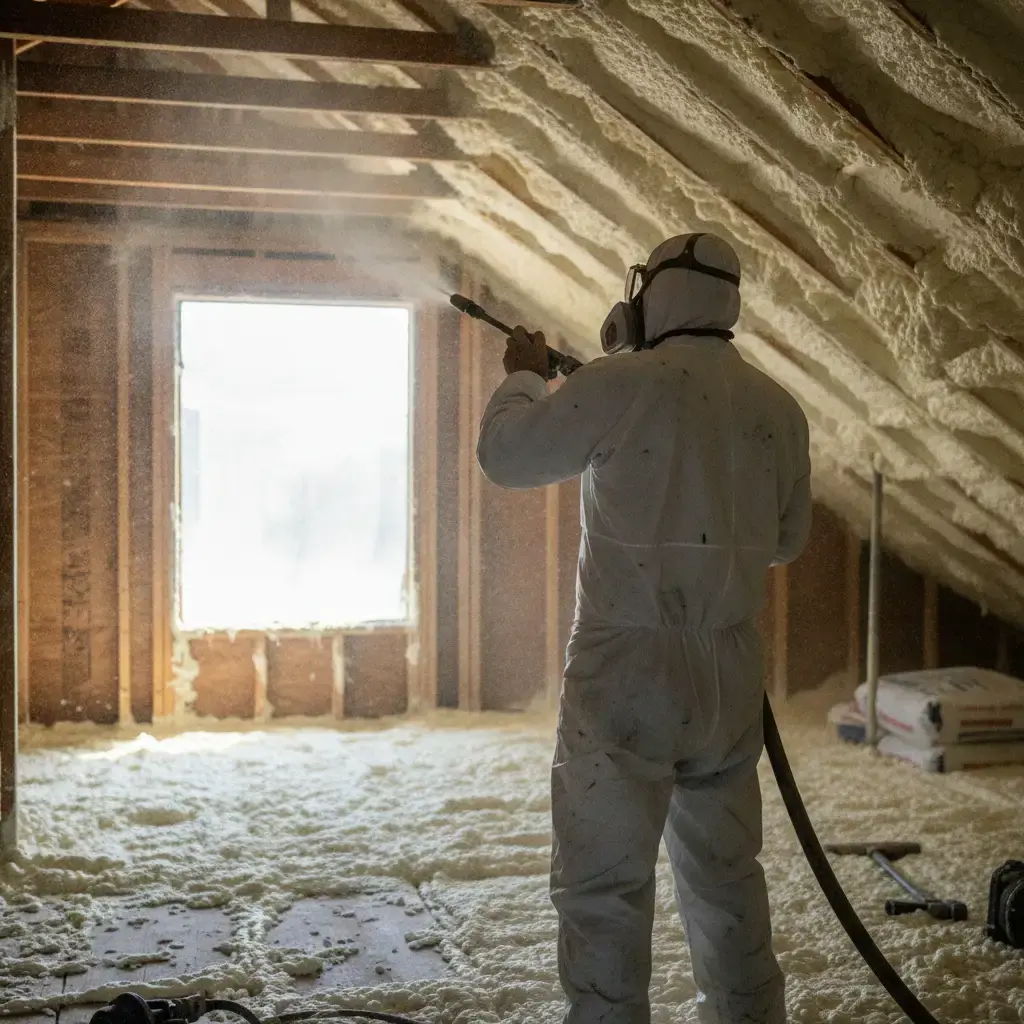
Ceiling insulation is the thermal and acoustic barrier installed between your living space and the roof or attic above, designed to regulate indoor temperatures, reduce energy loss, and lower monthly utility costs. In Orange, CA, where summer temperatures regularly climb past 95°F and winter nights can dip into the low 40s, a properly insulated ceiling is not a luxury — it is a necessity for year-round comfort and energy efficiency.
At Home Comfort Insulation, we specialize in ceiling insulation solutions tailored specifically to the building stock, climate patterns, and energy demands found throughout Orange and surrounding communities in Orange County. Whether your home was built in the 1950s post-war boom or is part of a newer development near Chapman University, our team brings hands-on expertise and locally informed practices to every project. From initial inspection through final installation, we ensure your ceiling insulation performs at the highest standard possible for the Southern California environment.
Understanding Ceiling Insulation in Orange, CA
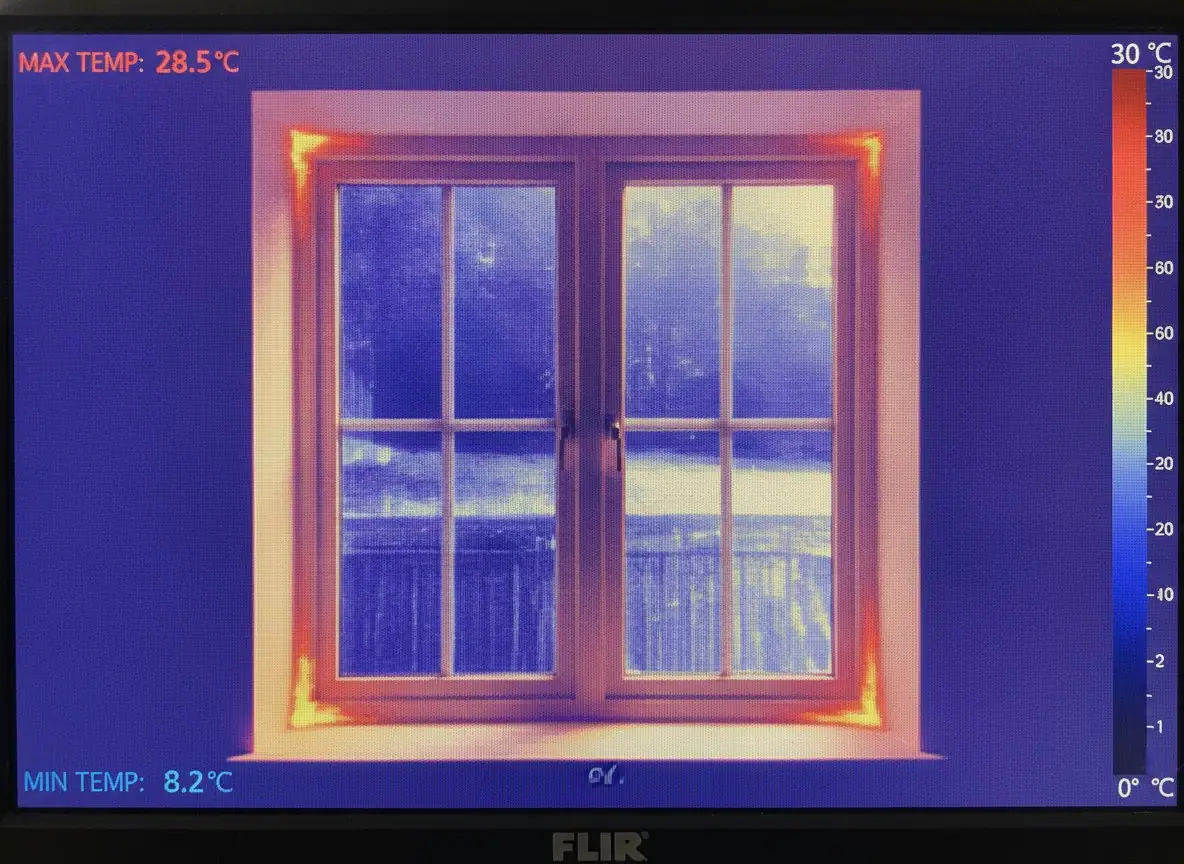
Ceiling insulation refers to any thermal barrier material installed above the ceiling plane of a conditioned living space. Historically, early California homes — including many of Orange’s craftsman bungalows built between 1910 and 1940 — were constructed with little to no insulation, relying instead on natural ventilation and thick plaster walls. It was not until the energy crisis of the 1970s and subsequent changes to California’s Title 24 energy code that insulation became a standard requirement in new residential and commercial construction.
In Orange specifically, the housing stock reflects several distinct eras: post-World War II tract homes concentrated in neighborhoods like Olive and Old Towne, mid-century ranch houses built during Orange County’s suburban expansion of the 1960s and 1970s, and more modern construction tied to the city’s ongoing redevelopment near The Village at Orange and Santiago Canyon College corridors. Each era presents unique insulation challenges and opportunities.
Read moreShow less
Ceiling insulation works by slowing the transfer of heat through the building envelope. During Orange’s hot summers, it prevents radiant heat from the sun-baked roof from penetrating downward into living spaces. During cooler months — particularly December and January when nighttime lows can fall below 45°F — it traps warmth inside, reducing heating loads and energy expenditure.
Modern ceiling insulation products are measured in R-values, which quantify thermal resistance. The California Energy Commission recommends a minimum of R-38 for ceilings in Climate Zone 8, which encompasses Orange and most of coastal Orange County. Older homes that predate current code requirements frequently contain only R-11 or R-19 insulation — or none at all — leaving significant performance gaps that drive up energy bills and reduce comfort.
Beyond temperature control, ceiling insulation also delivers meaningful acoustic benefits, dampening sound transmission from roof-mounted HVAC equipment, rain events, and street noise — a growing concern as Orange’s urban core continues to densify around areas like the Orange Circle and Chapman Avenue corridor.
Why Ceiling Insulation Is Needed in Orange, CA
Extreme Heat Events and the Urban Heat Island Effect
Orange has experienced increasingly severe heat events over the past decade. During the September 2022 California heat wave, temperatures in Orange reached 107°F — shattering local records and overwhelming air conditioning systems across the city. Homes with inadequate ceiling insulation saw interior temperatures rise dramatically even with HVAC running continuously, as attic temperatures routinely exceeded 150°F during that event, radiating heat downward through uninsulated or under-insulated ceiling assemblies.
The urban heat island effect compounds this problem in neighborhoods like Old Towne Orange and the area surrounding The Village at Orange shopping center, where dense pavement, commercial rooftops, and limited tree canopy elevate ambient temperatures by 5°F to 8°F compared to surrounding rural areas, according to data from the South Coast Air Quality Management District.
Santa Ana Wind Events
Orange County’s notorious Santa Ana wind conditions — which typically peak between October and February — drive dry, hot air from the inland desert across the region at speeds that can exceed 60 mph. During these events, the pressure differential across a home’s ceiling can actually pull conditioned air out of the living space while infiltrating warm, dry exterior air. Proper ceiling insulation combined with air sealing is the most effective defense against this thermal bypass, which can increase heating costs by 15% to 25% per event according to Southern California Edison energy audit data.
Aging Housing Stock
A significant portion of Orange’s residential neighborhoods — particularly in the Olive Hills, Sycamore, and Panorama Heights areas — consist of homes built before 1980, when Title 24 energy standards did not yet exist. Many of these properties contain original insulation that has compacted, moisture-damaged, or degraded to the point where actual R-values may be 40% to 60% below manufacturer specifications. A home rated at R-19 at installation in 1968 may now be performing at R-11 or lower.
High Energy Costs
Southern California Edison and SoCalGas rates in Orange County place residential customers among the highest-billed in the continental United States. The average Orange household spends between $2,200 and $2,800 annually on energy, with 40% to 60% of that attributable to heating and cooling. Upgrading ceiling insulation to current Title 24 standards — R-38 minimum for existing construction, R-49 recommended for new builds — can reduce HVAC-related energy consumption by 20% to 40%, representing $400 to $900 in annual savings for a typical 1,800-square-foot Orange home.
Free, no-obligation estimates
Talk to Home Comfort Insulation
Tell us what you need and we’ll take it from there.
Signs You Need Ceiling Insulation in Orange, CA
Temperature and Comfort Issues
- Rooms feel noticeably hotter near the ceiling than at floor level, especially during Orange’s peak summer months of July through September
- Upper-floor bedrooms remain uncomfortable even when the thermostat is set to 72°F or below
- Air conditioning runs for extended cycles but struggles to maintain consistent indoor temperatures
- Noticeable cold drafts near the ceiling during Santa Ana wind events or winter nights
Energy Bill Indicators
- Monthly Southern California Edison bills exceed $250 during summer months for a home under 2,000 square feet
- Year-over-year energy costs are increasing without changes in usage habits or rate structures
- Your home’s HVAC system cycles on and off more than 3 to 4 times per hour during peak afternoon heat
Visual and Structural Signs
- Visible insulation in the attic that appears flat, discolored, wet, or compressed to less than 4 inches in depth
- Water stains on ceiling drywall indicating past or present moisture intrusion that may have compromised existing insulation
- Evidence of pest activity — a common issue in older Orange homes — which destroys insulation integrity
- Home was built before 1980 and insulation has never been replaced or upgraded
Urgency Indicators
If you notice a combination of high energy bills, uneven temperatures, and aging insulation material, scheduling an inspection before the summer heat season arrives — ideally by April — is strongly advised to avoid peak-demand installation delays.
Ceiling Insulation Methods and Approaches
Blown-In Fiberglass or Cellulose Insulation
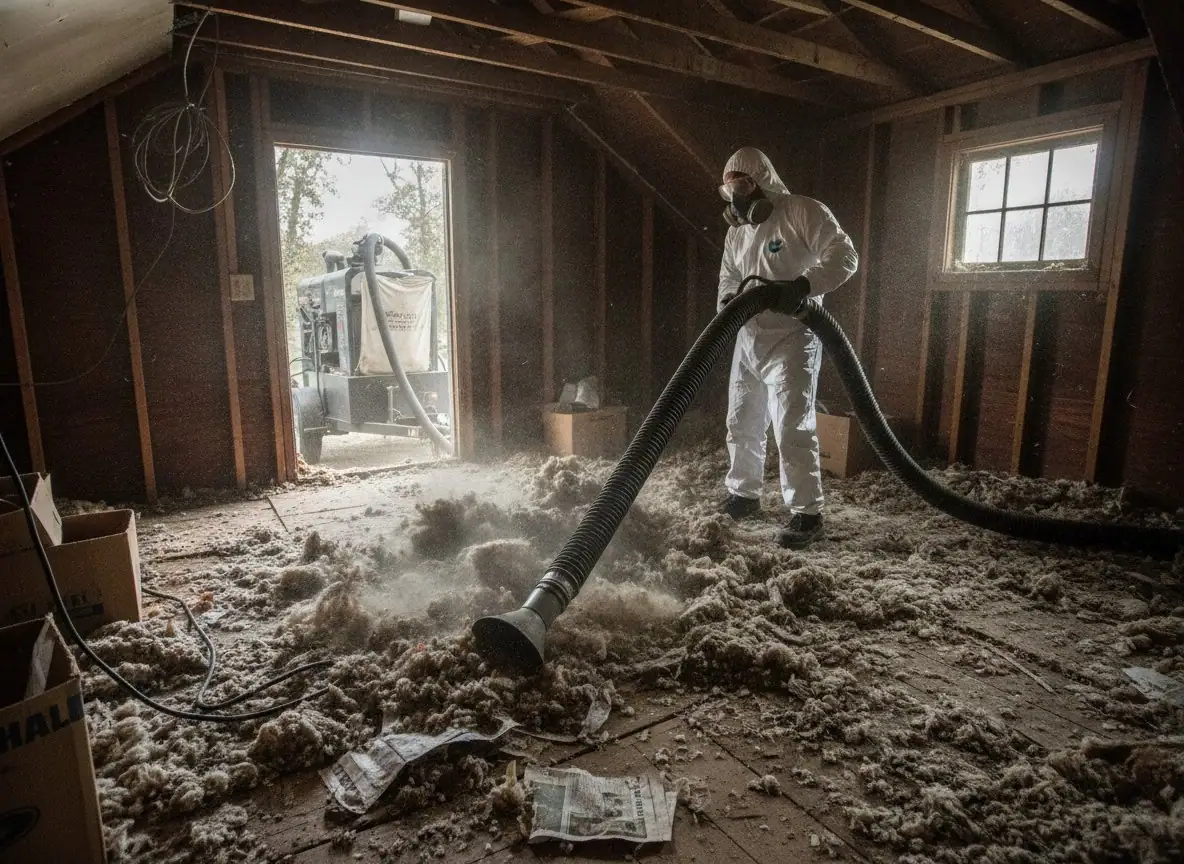
The most common approach for existing Orange homes with accessible attics. Loose-fill material is pneumatically blown into the attic floor cavity to the desired depth — typically 12 to 15 inches to achieve R-38 to R-49. This method conforms to irregular joist spacing, works around obstacles, and is ideal for the wide variety of 1950s through 1980s tract homes found in neighborhoods like Olive and Panorama Heights. Learn more about blow-in insulation
Spray Foam Insulation
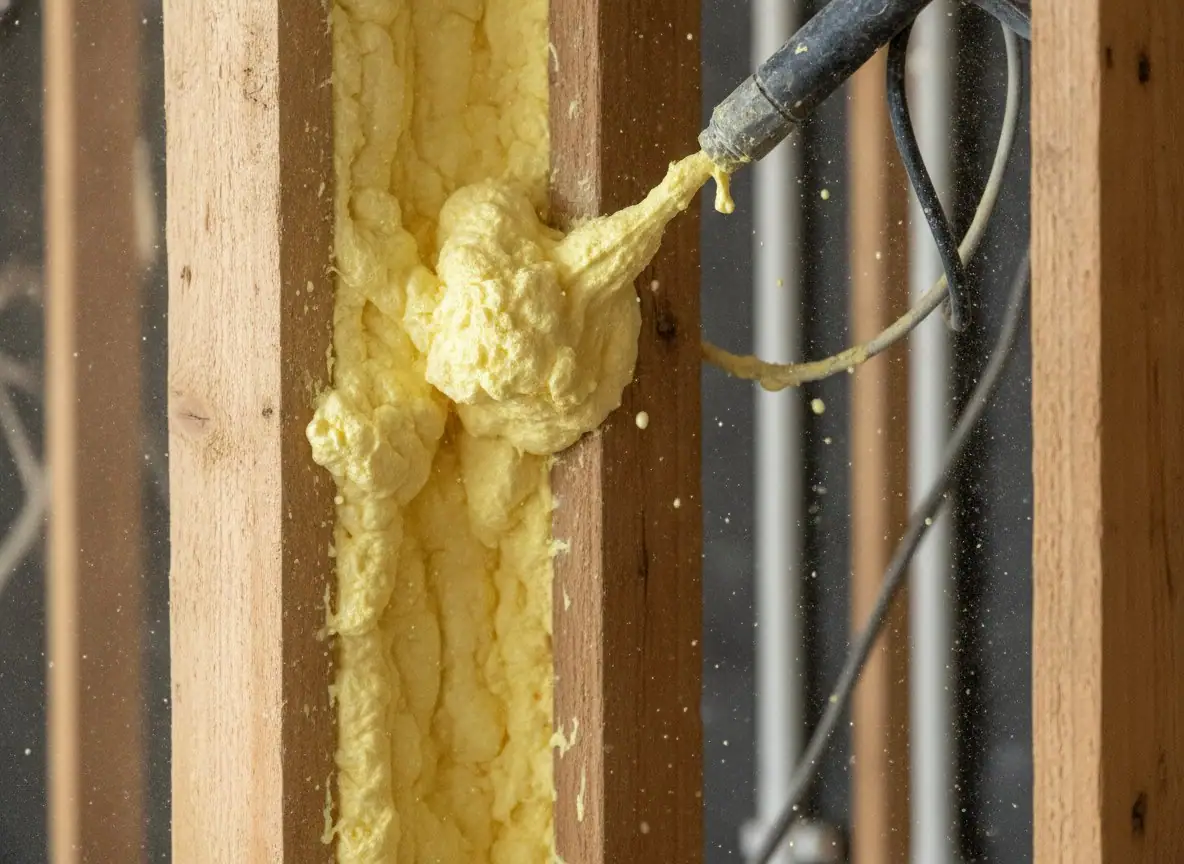
Closed-cell spray polyurethane foam is applied to the underside of roof decking in unvented attic assemblies, creating an air and thermal barrier simultaneously. This is especially effective in Orange homes with tile roofs where traditional ventilation strategies are compromised, or in properties near the Santiago Creek corridor where moisture management is a priority. R-values of 6 to 7 per inch make spray foam the most efficient option per thickness. Learn more about spray foam insulation
Fiberglass Batt Insulation
Pre-cut fiberglass batts are appropriate for new construction or open ceiling assemblies where joist bays are uniformly accessible. Common in newer Orange subdivisions where ceiling cavities are exposed during renovation. R-values range from R-13 to R-49 depending on thickness. Learn more about insulation installation
Radiant Barrier Installation
A reflective foil material installed on the underside of roof rafters, reducing radiant heat gain by up to 25% during Orange’s peak summer months. Frequently combined with blown-in insulation for a comprehensive thermal solution in homes with dark-colored roofing materials that absorb significant solar radiation.
Ceiling Insulation Cost in Orange, CA
Understanding the cost of ceiling insulation helps Orange homeowners budget accurately and evaluate the return on investment against ongoing energy savings.
Typical Price Ranges
- Blown-in attic insulation (existing home): $1.50 to $3.00 per square foot, or $2,700 to $5,400 for a typical 1,800-square-foot Orange home
- Spray foam ceiling insulation: $3.00 to $7.00 per square foot depending on open-cell versus closed-cell application, or $5,400 to $12,600 for a full attic treatment
- Fiberglass batt replacement: $1.20 to $2.50 per square foot installed, with total costs of $2,200 to $4,500 for a standard-size home
- Insulation removal (prior to replacement): $1.00 to $1.50 per square foot, or $1,800 to $2,700 for full attic removal
- Radiant barrier addition: $0.50 to $1.25 per square foot as an add-on to existing insulation upgrades
Read moreShow less
Factors That Affect Your Cost
- Current insulation condition and whether removal is required
- Attic accessibility — low-pitch roofs common in 1960s Orange ranch homes can increase labor time by 20% to 30%
- Total square footage of conditioned ceiling area
- Chosen insulation material and target R-value
- Air sealing scope required
Local Incentives
Orange homeowners may qualify for Southern California Edison rebates of $0.10 to $0.20 per square foot for insulation upgrades meeting Title 24 requirements. The federal Inflation Reduction Act also provides a 30% tax credit on insulation material costs up to $1,200 per year through 2032. Call (714) 909-2175 for a detailed quote.
Ceiling Insulation Services Across Orange, CA Neighborhoods
Old Towne Orange
The historic district surrounding the Orange Circle features craftsman bungalows and Victorian-era homes built primarily between 1905 and 1940. These properties typically have no attic insulation, knob-and-tube wiring considerations that affect insulation placement, and original plaster ceilings that require careful access planning. We specialize in historically sensitive upgrades that improve performance without compromising original architecture.
Olive District
This primarily post-war neighborhood contains a high concentration of 1950s and 1960s ranch homes with low-slope rooflines and original blown-in vermiculite or early fiberglass insulation that is significantly degraded. Many of these homes also sit near mature olive and pepper tree canopies that deposit debris in attics, damaging insulation over time.
Panorama Heights
Elevated terrain in this neighborhood means homes experience more direct solar exposure and higher wind exposure during Santa Ana events. Many 1970s-era homes here were built with minimal insulation that falls well below today’s R-38 code minimum for Climate Zone 8.
Serrano Heights
This newer development area near the Foothill Ranch border features 1990s through 2000s construction that meets earlier Title 24 standards but may benefit from upgrades to current R-49 recommendations, particularly in homes with large ceiling expanses and tile roofing systems.
Ceiling Insulation Maintenance Tips for Orange, CA Homeowners
- Inspect annually every fall: Before Santa Ana wind season peaks in October, visually inspect your attic insulation for signs of settling, moisture damage, or pest intrusion that can occur during the dry summer months.
- Check attic ventilation quarterly: Orange’s dry climate can allow dust and debris to clog soffit vents, reducing airflow and causing moisture buildup during rare winter rain events — inspect and clear vents each season.
- Address roof leaks immediately: Any roof damage — especially after winter storm events or Santa Ana-driven debris impacts — should be repaired before water saturates ceiling insulation, which dramatically reduces R-value.
- Seal attic access hatches: Add weatherstripping and an insulated cover to attic access panels annually, as these are among the single largest sources of conditioned air loss in Orange-area homes.
- Monitor for pest activity: Roof rats — a documented concern in Orange’s citrus-heritage neighborhoods — can tunnel through blown-in insulation. Check for entry points and contact pest control at the first signs of activity.
- Re-measure insulation depth every 10 years: Blown-in materials settle over time. A depth check ensures your R-value remains at code-compliant levels.
- Request a utility audit: Southern California Edison offers free home energy assessments that can identify ceiling insulation gaps not visible to the naked eye.
Why Choose Home Comfort Insulation in Orange, CA
Home Comfort Insulation is a locally focused insulation contractor serving Orange and the surrounding Orange County communities. Our team understands the specific challenges that come with insulating homes in Orange’s diverse building stock — from the historic craftsman properties of Old Towne to the modern subdivisions of Serrano Heights — and we bring that local knowledge to every project we take on.
We work exclusively with materials and techniques appropriate for California’s Title 24 Climate Zone 8 requirements, ensuring that every installation we complete meets or exceeds the energy code standards that govern Orange residential and commercial properties. Our technicians are trained in proper air sealing techniques that are essential for maximizing ceiling insulation performance in the face of Santa Ana wind infiltration and summer radiant heat loads.
Read moreShow less
We offer comprehensive services including insulation installation, spray foam insulation, attic insulation, blow-in insulation, crawl space encapsulation, crawl space insulation, insulation removal, and insulation replacement.
Contact us at (714) 909-2175 to schedule your free assessment today.
FAQ
Frequently Asked Questions About Ceiling Insulation in Orange, CA
How much does ceiling insulation cost in Orange, CA?
Ceiling insulation costs in Orange typically range from $1.50 to $7.00 per square foot depending on the method and material chosen. A full blown-in attic insulation upgrade for a 1,800-square-foot home generally costs between $2,700 and $5,400, while spray foam applications run $5,400 to $12,600. Insulation removal, if needed, adds $1,800 to $2,700. Southern California Edison rebates and federal tax credits can offset 30% to 40% of your total investment.
What R-value do I need for ceiling insulation in Orange, CA?
Orange falls within California Building Climate Zone 8. The California Energy Commission mandates a minimum of R-38 for existing residential ceiling insulation upgrades and R-49 for new construction under current Title 24 standards. Most pre-1980 homes in Orange currently have R-11 to R-19, making an upgrade one of the highest-impact energy improvements available.
How long does ceiling insulation installation take in Orange?
Most standard ceiling insulation projects in Orange are completed in a single day. A typical 1,800-square-foot attic blown-in installation takes 4 to 6 hours including preparation, air sealing, and installation. Spray foam projects or homes requiring significant insulation removal may extend to 6 to 8 hours. We schedule the majority of our work early morning to avoid peak afternoon heat that can make attic access uncomfortable during Orange’s summer months.
Is ceiling insulation worth it in Orange’s mild coastal climate?
Absolutely. While Orange benefits from Pacific Ocean influence that moderates temperatures compared to inland Riverside County, the city still regularly experiences temperatures above 95°F from June through October, plus dry heat spikes during Santa Ana events. Studies from the Lawrence Berkeley National Laboratory show that properly insulated homes in Climate Zone 8 achieve 20% to 40% reductions in HVAC energy use, delivering payback periods of 3 to 7 years on insulation investments at current Southern California Edison rates.
Do I need to remove old insulation before adding new insulation?
Not always. If existing insulation is dry, uncontaminated, and structurally sound, new blown-in material can often be added on top to reach the required R-value. However, removal is necessary when existing insulation shows moisture damage, mold, pest contamination, or when the material is an older product like vermiculite (which may contain asbestos in homes built before 1980 in Orange). Our technicians assess this during the free initial inspection.
Can ceiling insulation help reduce noise in my Orange home?
Yes. Dense-pack cellulose and spray foam in particular provide meaningful sound attenuation benefits beyond thermal performance. This is increasingly relevant for Orange homeowners near the State Route 57 or State Route 22 freeway corridors, Chapman Avenue’s commercial zone, or in multi-story homes where ceiling insulation reduces sound transmission between floors.
Are there rebates or incentives available for ceiling insulation in Orange, CA?
Yes. Southern California Edison’s Energy Savings Assistance Program offers rebates for qualifying homeowners upgrading insulation to Title 24 standards. Additionally, the federal Inflation Reduction Act provides a 30% tax credit on insulation material costs (up to $1,200 per year) through 2032. We provide all documentation needed to claim these incentives at project completion.
How do I know if my current ceiling insulation has failed?
Key signs include unusually high summer energy bills, rooms that feel hot near the ceiling even with air conditioning running, visible flat or discolored insulation in the attic, a home built before 1980 with original insulation, or prior water intrusion events. If your Orange home shows any of these signs, a professional assessment is strongly recommended before summer heat season begins.
Get a Free Ceiling Insulation Assessment in Orange, CA
Do not let inadequate ceiling insulation drive up your energy bills through another Orange summer. Whether your home is a 1920s craftsman in Old Towne, a 1960s ranch in the Olive District, or a modern residence in Serrano Heights, Home Comfort Insulation has the local expertise and materials to deliver a ceiling insulation solution that performs in Orange’s unique climate conditions.
Call us today at (714) 909-2175 to schedule your no-obligation, free on-site assessment. Our team is ready to evaluate your current insulation, identify gaps, and provide a transparent, itemized proposal with no pressure and no surprises. Serving homeowners throughout Orange, CA and the surrounding Orange County communities — we are your local ceiling insulation specialists.
Call (714) 909-2175 now or contact us online to get started.
Get in touch
Find insulation help near you
Request a free estimate online or give us a call — our team will follow up quickly.
- Call us(714) 909-2175
- Visit1650 N Glassell St, Orange, CA 92867
- HoursMon-Sun 07:00-19:00