Blown-In Attic Insulation in Orange, CA
Energy-Saving Blown-In Attic Insulation for Orange, CA Homes — Licensed & Insured
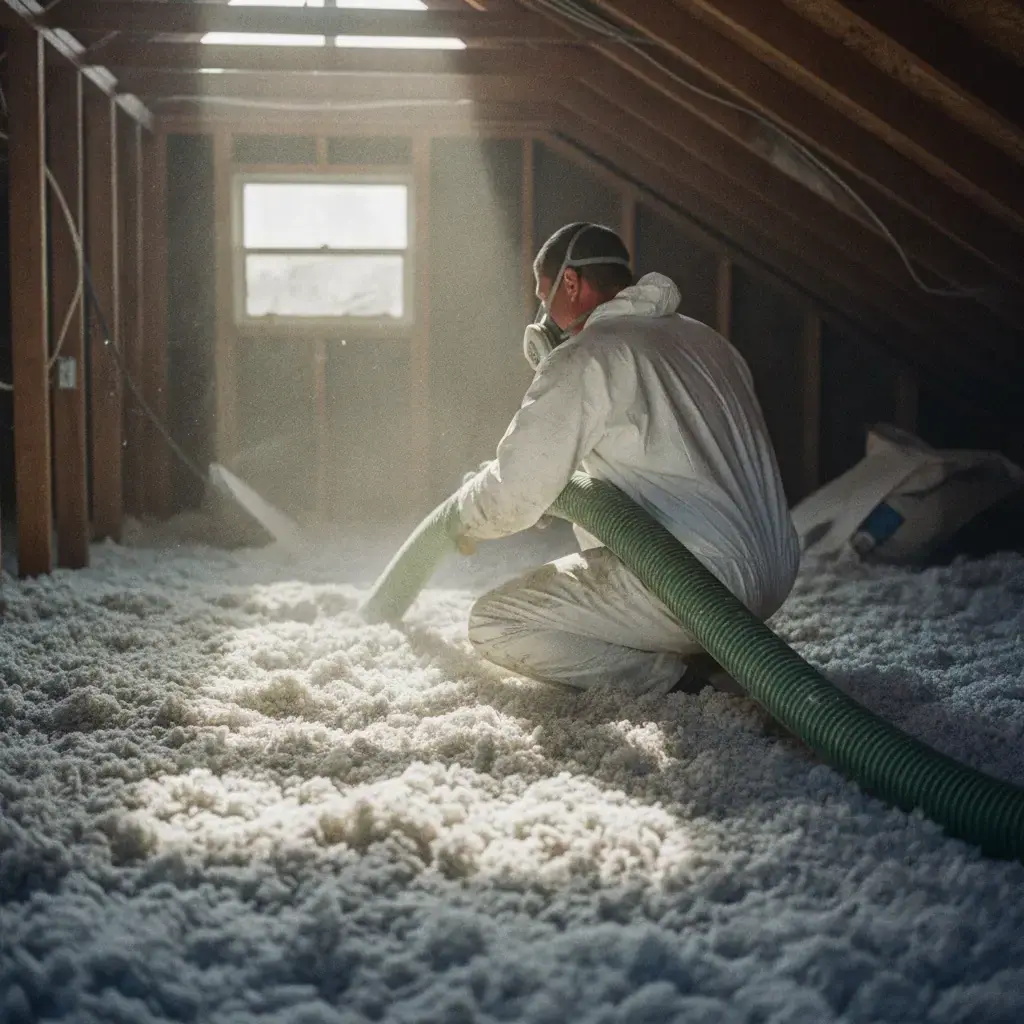
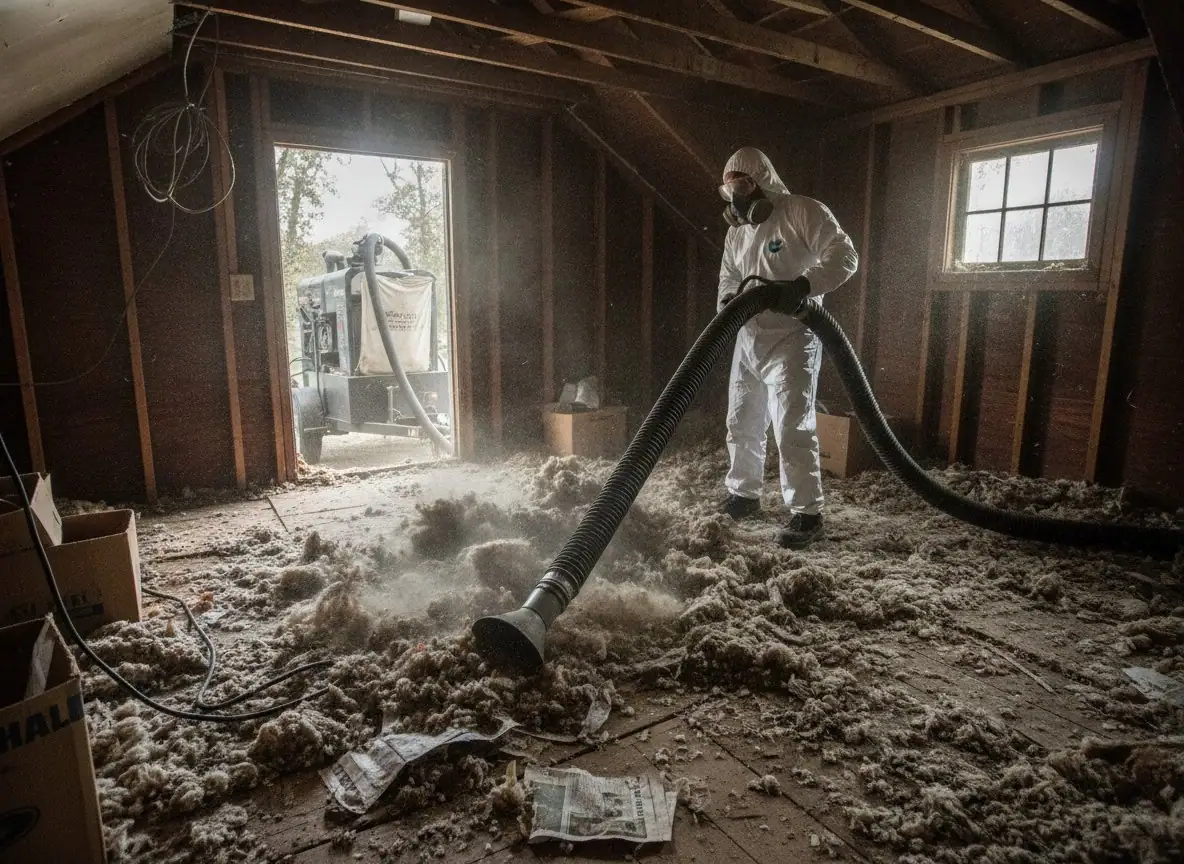
Blown-in attic insulation is a high-performance insulating method that uses specialized equipment to distribute loose-fill material — typically cellulose or fiberglass — evenly across your attic floor, filling every gap, crevice, and corner for complete thermal coverage. Unlike rigid batt insulation, blown-in material conforms to irregular joists, obstructions, and the unique attic geometries common in Orange’s diverse housing stock.
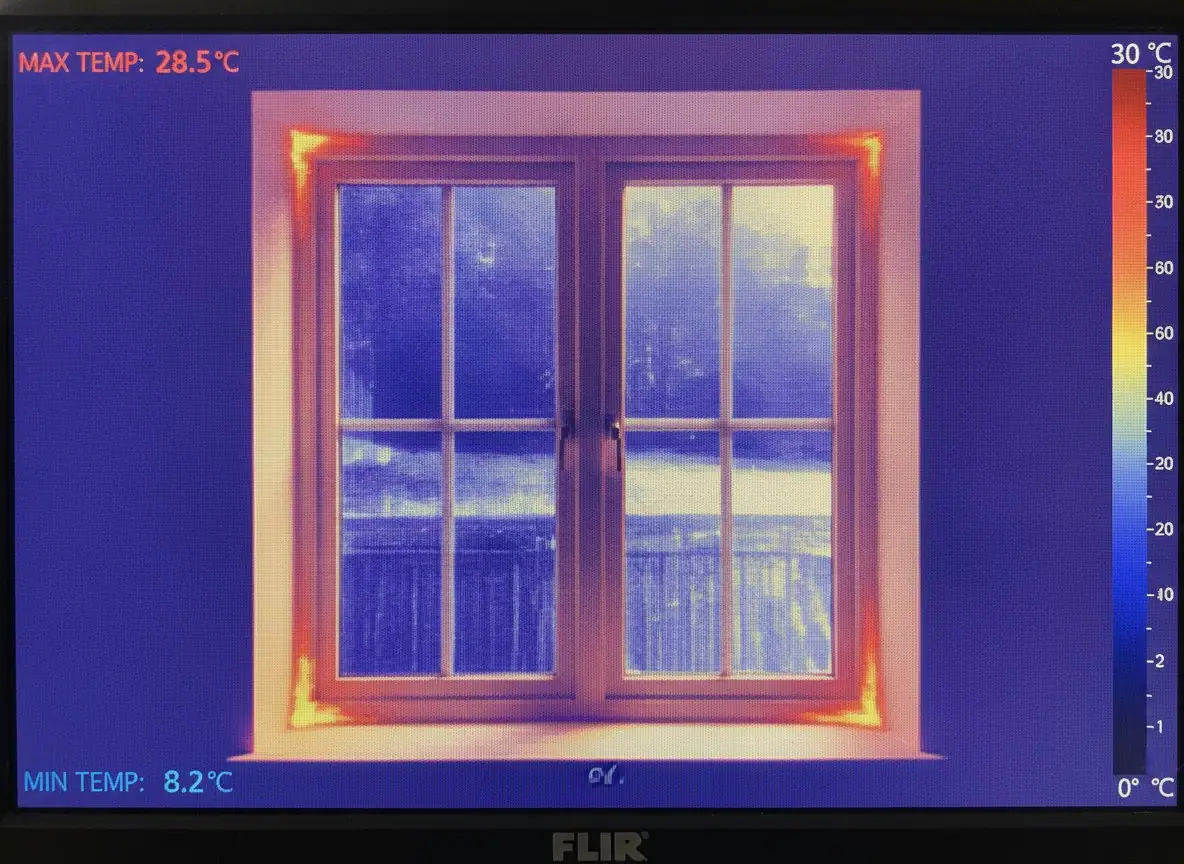
Orange, CA sits in a Mediterranean climate zone where summer temperatures regularly exceed 100°F and cool, damp marine air rolls in from the Pacific during winter and spring. This thermal swing demands attic insulation that performs year-round — not just in cold weather. Homes in Orange lose up to 40% of their conditioned air through under-insulated attics, driving up utility costs and straining HVAC systems already working hard against Southern California heat.
Read moreShow less
Home Comfort Insulation specializes in blown-in attic insulation solutions tailored specifically for Orange-area homes. Our team understands local building codes, historical construction practices, and the specific climate pressures residents face. Call us today at (714) 909-2175 to schedule your free attic assessment.
Understanding Blown-In Attic Insulation
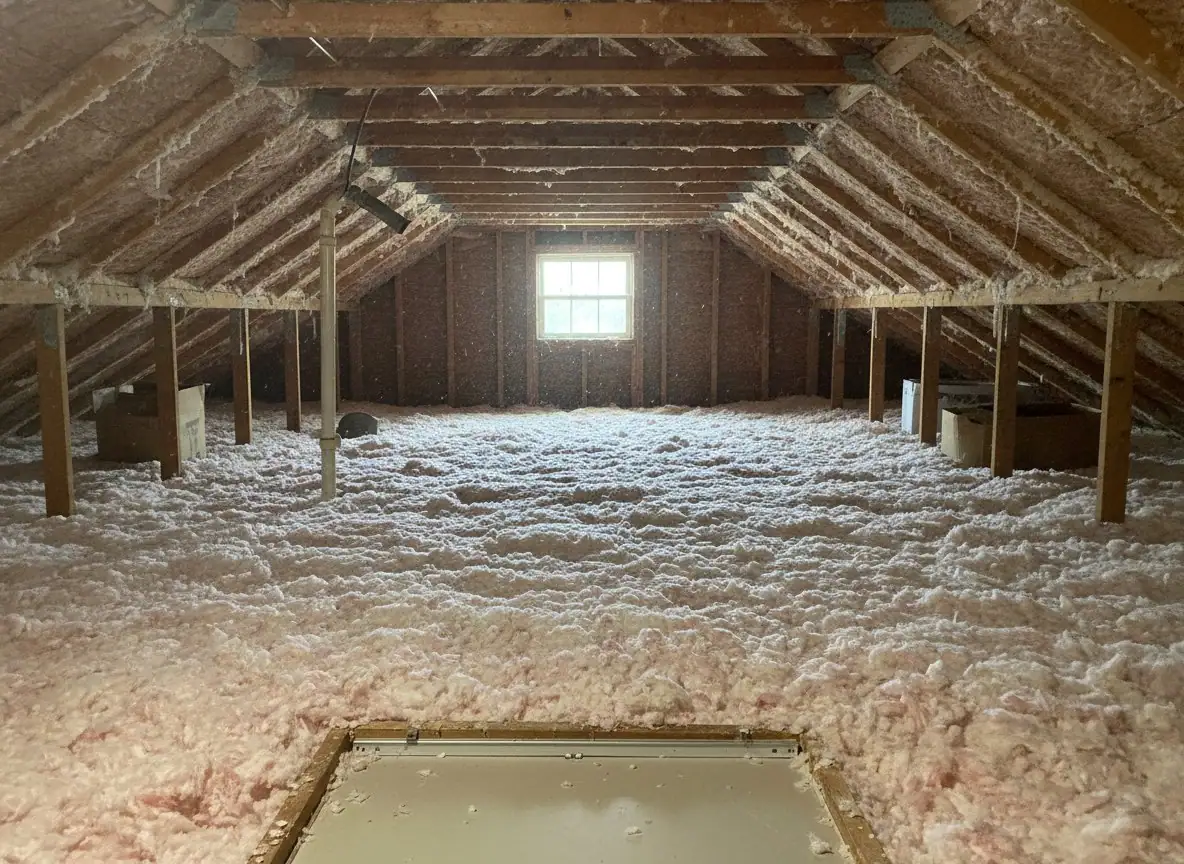
Blown-in attic insulation — also called loose-fill insulation — has been used in residential construction since the mid-20th century, when building scientists recognized that traditional batt insulation left too many thermal bridges and air gaps in real-world attic conditions. The method gained significant traction in California during the 1970s energy crisis, when state legislators introduced Title 24 energy efficiency standards that still govern construction today.
The process works by feeding loose insulating material into a blowing machine that uses air pressure to project the material through a flexible hose. A technician guides the hose across the attic floor, laying down an even depth of insulation that covers joists, cross-bracing, electrical boxes, and every other obstruction uniformly. The result is a continuous thermal blanket without the gaps and compression issues that plague batt insulation in tight spaces.
Read moreShow less
Types of Blown-In Insulation Materials
Cellulose: Made from 80–85% recycled paper products treated with borate-based fire retardants, cellulose is a popular eco-friendly choice. It achieves an R-value of approximately R-3.2 to R-3.8 per inch and is particularly effective at resisting air infiltration.
Fiberglass: Loose-fill fiberglass provides R-2.2 to R-2.7 per inch and is highly resistant to moisture — an important consideration in Orange’s damp winter months. It is also non-combustible and resistant to mold and mildew.
Mineral Wool: Less common but highly effective, mineral wool offers superior fire resistance and R-values around R-3.0 per inch. It performs well in the higher attic temperatures experienced in Orange’s inland-influenced climate.
Orange’s housing landscape includes everything from 1950s ranch-style homes in the historic Old Towne district to sprawling 1990s tract developments in East Orange. Each era of construction presents unique attic configurations — low-sloped roofs, complex hip designs, and cathedralized ceilings — all of which benefit from blown-in insulation’s adaptability over rigid alternatives. California’s Title 24 currently recommends a minimum of R-38 for attics in Orange County’s climate zone (Zone 8), and many energy efficiency programs recommend R-49 to R-60 for maximum savings.
Why Blown-In Attic Insulation Is Needed in Orange, CA
Extreme Thermal Cycling in Orange County’s Climate Zone 8
Orange sits in NOAA Climate Zone 8, characterized by hot, dry summers and mild, occasionally cool winters. The Santa Ana Canyon — which funnels the infamous Santa Ana winds directly through the eastern corridor of Orange — regularly pushes summer temperatures above 105°F in neighborhoods like Serrano Heights and the foothills near Chapman Hills. During the record-setting September 2020 heat event, temperatures in Orange hit 113°F, a figure that exposed thousands of homes with inadequate attic insulation to catastrophic HVAC failure and dangerous indoor temperatures. Attic spaces in Orange can reach 150°F to 160°F on peak summer days, turning an under-insulated attic into a radiant heat source that overwhelms air conditioning systems.
Aging Housing Stock with Degraded Original Insulation
A large portion of Orange’s residential neighborhoods — including Old Towne Orange, the Cypress Street Barrio Historic District, and the post-war subdivisions north of Chapman Avenue — were built between 1945 and 1975. Homes of this era were typically insulated with 3 to 4 inches of fiberglass batts achieving R-11 to R-13, far below today’s recommended R-38 to R-60. After 40 to 50 years, this original insulation has settled, compressed, and in many cases been contaminated by pest activity, moisture intrusion, or HVAC duct leaks. Blown-in insulation can be layered directly over these aged materials to bring total R-values up to modern standards without costly removal — though removal is recommended when contamination is present.
Marine Layer Moisture and Condensation Risk
Orange’s proximity to the Pacific Ocean — approximately 20 miles inland from Newport Beach — means the city receives consistent marine layer intrusion from late spring through early summer, a phenomenon locals call “June Gloom.” This moisture-laden marine air infiltrates attic spaces through inadequate ventilation, creating condensation on cold roofing materials and framing members. Without adequate insulation maintaining stable surface temperatures, this condensation cycle accelerates wood rot, mold growth, and degradation of existing insulation. Neighborhoods closer to Santiago Creek, including Panorama Heights and Villa Park border areas, report higher incidences of moisture-related attic damage due to the creek corridor’s humidity.
Santa Ana Wind Events and Pest Intrusion
Santa Ana wind events — which strike Orange County multiple times per year, most intensely between October and March — create rapid pressure differentials that force air, dust, and pests into attic spaces through unsealed penetrations. Roof rats, a persistent problem throughout Orange County documented extensively by the Orange County Vector Control District, nest in attic insulation and degrade its thermal performance. Blown-in insulation replacement after pest remediation is one of the most common services we perform throughout Orange neighborhoods.
Free, no-obligation estimates
Talk to Home Comfort Insulation
Tell us what you need and we’ll take it from there.
Signs You Need Blown-In Attic Insulation in Orange, CA
Energy and Comfort Indicators
- Monthly electricity bills exceeding $200–$300 during Orange’s June–September peak cooling season despite normal usage habits
- Rooms on the top floor of your home consistently 5°F or more warmer than lower floors
- Air conditioning running continuously without reaching the thermostat set point during afternoon hours
- Noticeable drafts near ceiling light fixtures, recessed can lights, or attic access hatches
Visual and Physical Symptoms in the Attic
- Existing insulation depth below 10 inches (indicating less than R-30, well below California’s R-38 minimum for Zone 8)
- Visible gaps, bare spots, or compressed batt insulation between joists
- Discolored or stained insulation indicating past moisture intrusion or pest activity
- Evidence of roof rat or squirrel nesting — droppings, nesting material, or chewed insulation
Urgent Warning Signs
- Ice dam formation along eaves (rare in Orange but occurs during freezing rain events like January 2007)
- Visible mold growth on attic framing or decking
- HVAC equipment short-cycling due to inability to maintain set temperatures during heat events
If you notice two or more of these signs, contact Home Comfort Insulation at (714) 909-2175 for a professional attic evaluation before the next heat season arrives.
Blown-In Insulation Methods and Approaches
Standard Loose-Fill Blown-In
The most common approach for accessible attics with flat or low-slope floor configurations. Loose cellulose or fiberglass is blown to a consistent depth across the attic floor. This method is ideal for Orange’s mid-century ranch-style homes in Old Towne and the neighborhoods around El Modena where open joist bays are standard. Installation typically adds 12–16 inches of material to achieve R-38 to R-60.
Dense-Pack Blown-In for Enclosed Cavities
When insulating sloped ceiling cavities, cathedral ceilings, or knee wall spaces — common in Orange’s 1960s-era split-level homes — we use dense-pack installation. Material is blown at higher pressure (typically 3.5–4 lbs per cubic foot for cellulose) to completely fill enclosed spaces without settling. This method requires drilling fill holes and is followed by patching. Explore all attic insulation options
Hybrid Blown-In Over Existing Batts
For homes with intact, uncontaminated original batt insulation achieving R-11 or higher, we install a blown-in top layer to reach target R-values without full removal. This approach reduces cost and installation time by 30–40% and is suitable for many 1980s–1990s homes in East Orange and the Serrano Heights area.
Blown-In With Spray Foam Air Sealing
For maximum energy performance, we combine two-pound closed-cell spray foam air sealing at all penetrations with blown-in coverage. This hybrid approach is recommended for Orange homes with ducted HVAC systems running through the attic, where duct leaks compound air infiltration problems. Learn about our spray foam insulation services
Learn moreBlown-In Attic Insulation Cost in Orange, CA
Understanding the cost of blown-in attic insulation in Orange helps homeowners budget accurately and evaluate quotes from multiple contractors. Pricing in Orange County reflects both material costs and the regional labor market.
Typical Cost Ranges
- Basic blown-in installation (R-38) for a 1,000–1,500 sq ft attic: $800 – $1,400
- Mid-range installation (R-49) for a 1,500–2,000 sq ft attic: $1,200 – $2,200
- Premium installation (R-60) with air sealing for a 2,000–2,500 sq ft attic: $2,000 – $3,500
- Old insulation removal (add-on): $500 – $1,500 depending on attic size and contamination level
- Dense-pack for enclosed cavities: $3.00 – $5.00 per square foot of wall or ceiling area
Read moreShow less
Factors Affecting Your Specific Cost
Attic accessibility: Orange’s older bungalows and cottage-style homes in the historic downtown area often have low-clearance attics that require additional labor time. Existing conditions: Pest contamination requiring removal adds $0.50–$1.50 per square foot. Material choice: Cellulose runs approximately $0.25–$0.50 per square foot less than fiberglass at equivalent R-values. Permit requirements: Certain scope-of-work projects in Orange require a City of Orange building permit, adding $150–$300 to project cost.
Available Rebates and Incentives
Southern California Edison offers rebates of up to $0.10 per square foot for qualifying attic insulation upgrades for Orange residents. The federal Inflation Reduction Act provides a 30% tax credit (up to $1,200) for qualifying insulation improvements through 2032. These incentives can reduce your net cost by $300–$800 on a typical Orange home project. Call (714) 909-2175 for a detailed quote.
Neighborhoods We Serve in Orange, CA
Old Towne Orange
The historic district surrounding Old Towne Orange’s famous traffic circle contains some of the oldest housing stock in the city, with bungalows and craftsman homes dating to 1905–1940. These structures frequently have original horsehair plaster ceilings, narrow attic access hatches, and no existing insulation whatsoever. Our technicians are experienced with the access and preservation constraints of historic homes in this nationally recognized historic district.
Serrano Heights and Chapman Hills
These hillside communities in eastern Orange feature larger custom and semi-custom homes built primarily from 1985–2005. Complex rooflines, cathedral ceilings, and extensive recessed lighting create numerous air bypass points that require thorough pre-insulation air sealing. Homes here also face elevated Santa Ana wind exposure requiring robust attic ventilation management.
El Modena
This working-class neighborhood of post-war ranch homes built from 1945–1970 represents one of Orange’s highest concentrations of under-insulated housing. Many El Modena homes still have their original 3-inch fiberglass batts and unsealed top plates, making them strong candidates for blown-in upgrades with immediate comfort and energy savings.
East Orange and Yorba Linda Border Areas
Tract developments along the eastern edge of Orange built in the 1990s often have adequate original insulation that has settled over 25–30 years. These homes benefit from blown-in top-off applications that restore R-values to current Title 24 standards without requiring full removal.
Attic Insulation Maintenance Tips for Orange, CA Homeowners
- Inspect attic depth annually: Check insulation depth each fall before the heating season. Look for settling, compression, or bare spots that may have developed since installation.
- Monitor for pest activity after Santa Ana wind events: Wind events create entry points for roof rats and squirrels. Check the attic perimeter and eaves for new gaps or gnaw marks each October and March.
- Keep attic vents clear: Orange’s dry season brings heavy debris from eucalyptus and pepper trees common in the area. Clear soffit and ridge vents of leaves and debris each spring to maintain proper airflow.
- Inspect HVAC ducts in the attic: Disconnected or leaking duct sections can saturate blown-in insulation with conditioned air, compressing and degrading it. Have ducts inspected every 3–5 years.
- Address roof leaks immediately: Even minor roof leaks during Orange’s winter rain season can saturate cellulose insulation and cause mold growth. Treat any roof penetration promptly.
- Seal attic access hatches: An unsealed pull-down attic stair can lose as much heat as a window left open. Install a weatherstripped, insulated cover on your attic access point.
- Document your R-value certificate: Keep your installation documentation available for utility rebate applications and future home sale disclosures required under California law.
Why Choose Home Comfort Insulation in Orange, CA
Home Comfort Insulation is a locally operated insulation contractor serving Orange and the surrounding Orange County communities. We are not a national franchise — we are a specialized team that understands the specific building conditions, climate pressures, and code requirements that define Orange’s residential landscape.
Our technicians are trained in California Title 24 compliance requirements and stay current with Orange County building department standards. We carry comprehensive general liability insurance and workers’ compensation coverage, protecting your home and our crew throughout every project.
We offer a full spectrum of insulation services under one roof, so you never need to coordinate multiple contractors. From blown-in attic work to crawl space insulation and spray foam applications, we handle your complete insulation envelope. Our service offerings also include insulation removal and replacement for contaminated attics and crawl space encapsulation for moisture management.
Read moreShow less
We back our workmanship with a commitment to customer satisfaction and provide written R-value documentation with every project. Our pricing is transparent — no hidden fees, no bait-and-switch material substitutions. Call (714) 909-2175 to experience the difference that local expertise makes.
FAQ
Frequently Asked Questions About Blown-In Attic Insulation in Orange, CA
How much does blown-in attic insulation cost in Orange, CA?
Most Orange homeowners pay between $800 and $3,500 depending on attic size, target R-value, and whether old insulation removal is needed. A typical 1,500 square foot attic insulated to R-49 runs approximately $1,400–$2,000 before any SCE rebates or federal tax credits are applied. Call us at (714) 909-2175 for a free, no-obligation estimate specific to your home.
How long does blown-in attic insulation installation take in Orange?
Most standard Orange residential attics are completed in a single day — typically 4 to 8 hours including preparation and cleanup. Larger homes, those requiring complete old insulation removal, or properties with complex attic configurations (common in Serrano Heights custom homes) may require two days. We will give you a realistic timeline during your free assessment.
What R-value do I need for my Orange, CA home?
California’s Title 24 Building Energy Efficiency Standards specify R-38 as the minimum for climate zone 8 (Orange County). However, most energy efficiency programs and our professional recommendation target R-49 to R-60 for Orange homeowners seeking maximum comfort and utility savings given the region’s 105°F+ summer peaks. The incremental cost difference between R-38 and R-49 is typically $200–$400 and pays back within 2–3 years in energy savings.
Is blown-in insulation better than batt insulation for Orange homes?
For existing homes in Orange, blown-in insulation is generally superior to batt insulation for attic floors. It achieves continuous coverage without gaps, conforms to Orange’s varied attic configurations (low slopes, obstructions, complex joist patterns), and can be layered over existing material when appropriate. Batt insulation remains appropriate for new construction walls and specific applications, but blown-in is the industry standard for attic retrofits throughout Southern California.
Will blown-in insulation help with my high summer electricity bills in Orange?
Yes — significantly. Orange homeowners upgrading from inadequate insulation (R-11 to R-19) to R-49 typically report cooling cost reductions of 20–35% based on Southern California Edison energy auditing data. During peak summer months (July–September) when Orange temperatures exceed 100°F, a properly insulated attic reduces the heat load on your air conditioning system by preventing attic temperatures from radiating into living spaces throughout the afternoon hours.
Does blown-in insulation settle over time?
Yes, loose-fill insulation settles 5–15% over the first 12–24 months as material compacts. To account for this, we install to a depth that exceeds the target R-value at installation time. For example, to achieve a sustained R-49 rating, we install cellulose to approximately R-52 at the time of installation. After initial settling, properly installed blown-in insulation remains stable for decades with minimal ongoing maintenance.
Can you insulate my attic if I have roof rats in Orange?
Absolutely — but pest remediation must occur before insulation installation. We coordinate with Orange County pest control professionals to ensure the attic is clear before we remove contaminated insulation and install fresh material. Our insulation removal service includes complete cleanup of pest waste, which can carry hantavirus and other pathogens. We do not install new insulation over contaminated material.
Do I need a permit to add blown-in attic insulation in Orange, CA?
In most cases, adding blown-in insulation to an existing Orange home’s attic does not require a building permit when it is being performed as a straightforward retrofit. However, if the work is part of a larger remodel or if you are claiming certain utility incentives, a permit may be required. We are familiar with the City of Orange Building Division requirements and will advise you accurately during your consultation.
Get Your Free Blown-In Attic Insulation Estimate in Orange, CA Today
Do not let another Orange summer drive your electricity bills higher than necessary. Whether your home is a 1920s craftsman bungalow in Old Towne, a 1970s ranch in El Modena, or a 2000s custom in Chapman Hills, Home Comfort Insulation has the expertise and equipment to bring your attic insulation up to modern performance standards.
Our free attic assessment takes less than two hours and gives you a clear picture of your home’s current thermal performance, what upgrades will deliver the highest return, and exactly what they will cost — with no pressure and no surprises.
Call us now at (714) 909-2175 to schedule your free consultation. We serve homeowners throughout Orange, CA and surrounding Orange County communities. Comfortable, energy-efficient living starts in your attic — and it starts with one phone call.
Get in touch
Find insulation help near you
Request a free estimate online or give us a call — our team will follow up quickly.
- Call us(714) 909-2175
- Visit1650 N Glassell St, Orange, CA 92867
- HoursMon-Sun 07:00-19:00