Garage Insulation in Orange, CA
Energy-Saving Garage Insulation for Orange, CA Homes — Licensed & Insured
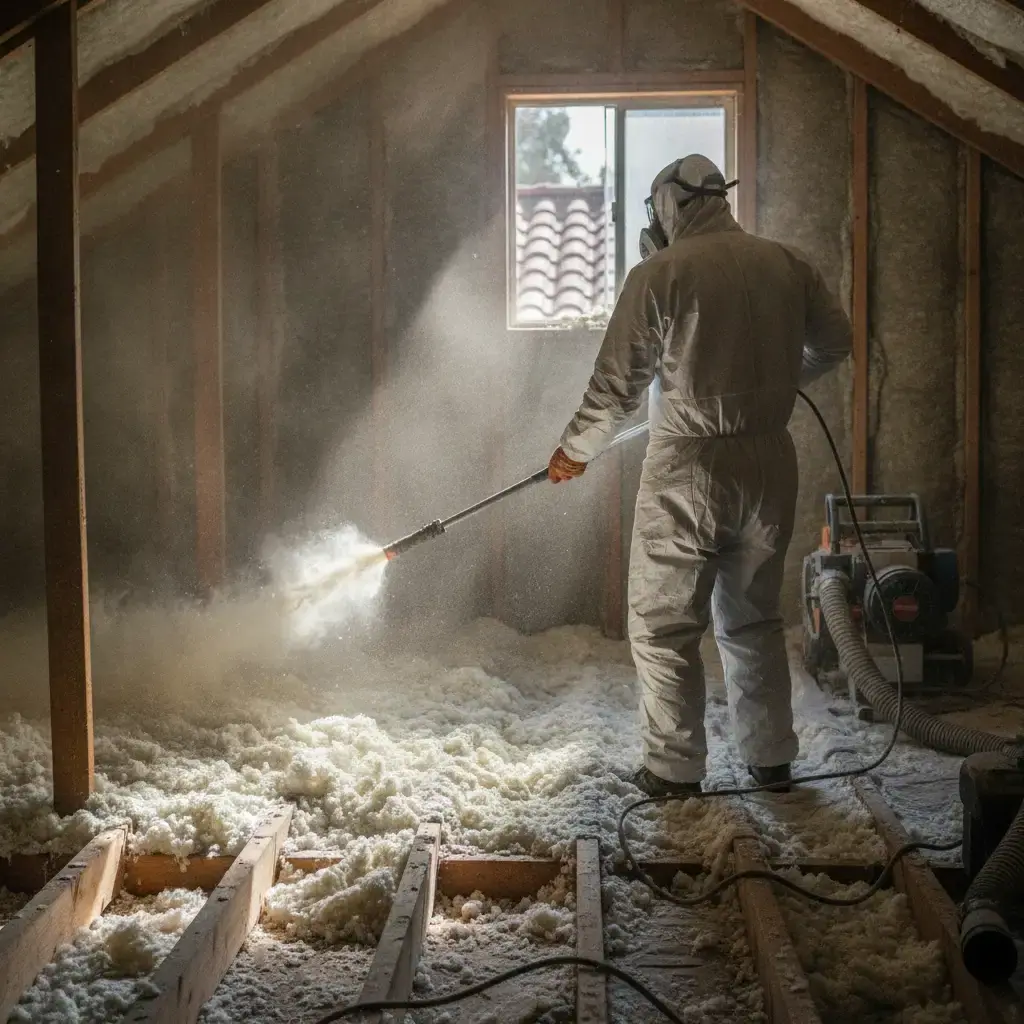
Garage insulation is the process of installing thermal and acoustic barrier materials within garage walls, ceilings, and doors to regulate temperature, reduce noise, and improve the overall energy efficiency of your home. In Orange, CA, where summer temperatures routinely climb above 95°F and the Santa Ana winds create dramatic seasonal temperature swings, an uninsulated garage can become a liability — driving up cooling costs and making adjacent living spaces uncomfortably hot.
At Home Comfort Insulation, we specialize in comprehensive garage insulation solutions tailored to the specific construction styles, climate conditions, and building codes of Orange and the surrounding communities. Whether your garage is attached to your home, converted into a living space, or used as a workshop, our team delivers professional insulation installation using materials and methods proven to perform in Southern California’s unique environment. Call us today at (714) 909-2175 to schedule your free assessment.
Understanding Garage Insulation in Orange, CA
Garage insulation refers to the strategic placement of insulating materials — including fiberglass batts, spray foam, rigid foam board, and blown-in cellulose — within the structural cavities of a garage to slow heat transfer, manage moisture, and dampen sound transmission. The science behind insulation centers on R-value, a measurement of thermal resistance. Higher R-values mean greater resistance to heat flow. For garages in Orange, CA, building science professionals generally recommend a minimum R-13 for walls and R-30 for ceilings, though attached garages sharing a wall with conditioned living space often benefit from R-19 or higher.
Historically, garages in Orange were built as utilitarian spaces with minimal attention to thermal performance. Many homes constructed during the post-war suburban expansion of the 1950s and 1960s — particularly in established neighborhoods like Eichler developments and the Old Towne Orange district — were designed for a Southern California climate that was assumed to be mild year-round. Insulation in these structures was minimal or entirely absent in garage spaces. As climate patterns have intensified and energy costs have escalated, homeowners across Orange have increasingly recognized the garage as a critical weak point in their home’s building envelope.
Read moreShow less
In Orange, a significant portion of the housing stock consists of attached single-family homes where the garage shares one or more walls with bedrooms, kitchens, or living rooms. This construction style, common in subdivisions built between the 1960s and 1990s, means that an uninsulated garage wall can transfer enormous amounts of heat directly into the home’s conditioned space. Multi-story homes in areas like Serrano Heights and the Villa Park border often have living space directly above the garage — a configuration that makes ceiling insulation in the garage particularly critical.
Modern garage insulation projects in Orange also address air sealing, which works hand-in-hand with insulation materials to prevent conditioned air from escaping and unconditioned air from infiltrating. professional insulation installation that combines both air sealing and high-performance insulation materials is the current industry standard and is particularly important in Orange’s climate zone (California Climate Zone 8), where cooling loads are the dominant energy concern.
Why Garage Insulation Is Needed in Orange, CA
Orange, CA sits in the inland portion of Orange County, placing it in a position that is markedly more temperature-extreme than coastal cities like Newport Beach or Huntington Beach. The city’s location approximately 30 miles inland from the Pacific Ocean means it receives significantly less marine layer cooling influence. According to National Weather Service data, Orange regularly experiences summer highs between 90°F and 100°F, with heatwaves — such as the historic September 2022 event that pushed temperatures in the Orange County inland areas to 110°F — creating serious stress on residential structures and HVAC systems.
The Santa Ana wind events, which typically occur between October and April, present a secondary but equally impactful climate challenge. These offshore winds, sometimes exceeding 60 mph with relative humidity levels dropping below 10%, can shift indoor temperatures dramatically within hours. Garages without adequate insulation act as thermal sponges during these events — absorbing ambient heat and radiating it into adjacent rooms for hours after temperatures have dropped outside.
Read moreShow less
In neighborhoods like Orange Park Acres, where larger lot sizes support detached and semi-detached garages often converted to workshops or hobby spaces, the lack of insulation creates year-round comfort problems. Homeowners in this equestrian-friendly community frequently report that their detached garages become unusable for extended periods during July and August, with interior temperatures exceeding 115°F. In the Villa Park adjacent areas along Hewes Street and Meats Avenue corridors, homes built primarily between 1975 and 1995 often have original fiberglass batt insulation in garage walls that has degraded to the point of providing R-values well below their original ratings.
The Chapman Avenue and Tustin Street corridors, where commercial and residential uses are intermixed, present noise-related insulation needs in addition to thermal ones. Garage spaces along these high-traffic arterials benefit significantly from acoustic insulation that dampens exterior noise — an application where dense-pack cellulose and closed-cell spray foam excel.
Moisture is another location-specific concern in Orange. While the climate is generally dry, winter precipitation — averaging approximately 13 inches annually — and occasional atmospheric river events (as experienced in January and February 2023) can introduce moisture into garage slabs and walls. Without proper vapor management integrated into the insulation system, condensation can form within wall cavities, accelerating mold growth and reducing insulation effectiveness. Orange’s clay-heavy soils, common in the eastern portions of the city, are also prone to moisture retention near foundations, making moisture-resistant insulation materials particularly important for below-grade garage areas.
Finally, California’s Title 24 Building Energy Efficiency Standards, updated in 2022, impose minimum insulation requirements for any garage renovation or addition project in Orange. Compliance is not optional — permits pulled for garage conversions, ADU projects, or significant renovations require meeting current energy code standards, making professional insulation installation a legal necessity in many project scenarios.
Free, no-obligation estimates
Talk to Home Comfort Insulation
Tell us what you need and we’ll take it from there.
Signs You Need Garage Insulation in Orange, CA
Temperature and Comfort Indicators
- Rooms adjacent to the garage — especially bedrooms or kitchens sharing a common wall — are consistently 5°F or more warmer than the rest of the house during summer months
- Living space above the garage feels noticeably hotter in summer and colder in winter compared to other rooms
- Your garage interior reaches over 100°F during Orange’s summer peak hours (12 PM to 5 PM) even with the door closed
- HVAC systems run excessively long cycles to maintain set temperatures in rooms adjacent to the garage
Energy Cost Indicators
- Unexplained increases in SCE (Southern California Edison) electricity bills during summer cooling season
- Monthly cooling costs consistently higher than neighbors with comparable square footage
- HVAC equipment cycling on and off more frequently than normal, indicating thermal infiltration
Physical and Structural Indicators
- Visible gaps or compression in existing fiberglass batt insulation when inspecting garage walls
- Water stains or discoloration on garage drywall suggesting past moisture infiltration
- Drafts felt near the garage door threshold or around electrical outlets on shared walls
- Pest activity — rodents and insects are more likely to nest in uninsulated or poorly insulated wall cavities
Urgency Indicators
If your garage is being converted to an ADU or living space, insulation installation is required before inspection. Immediate action is also warranted if you detect mold, significant pest infestation, or severely degraded existing insulation.
Garage Insulation Methods and Approaches We Use
Spray Foam Insulation
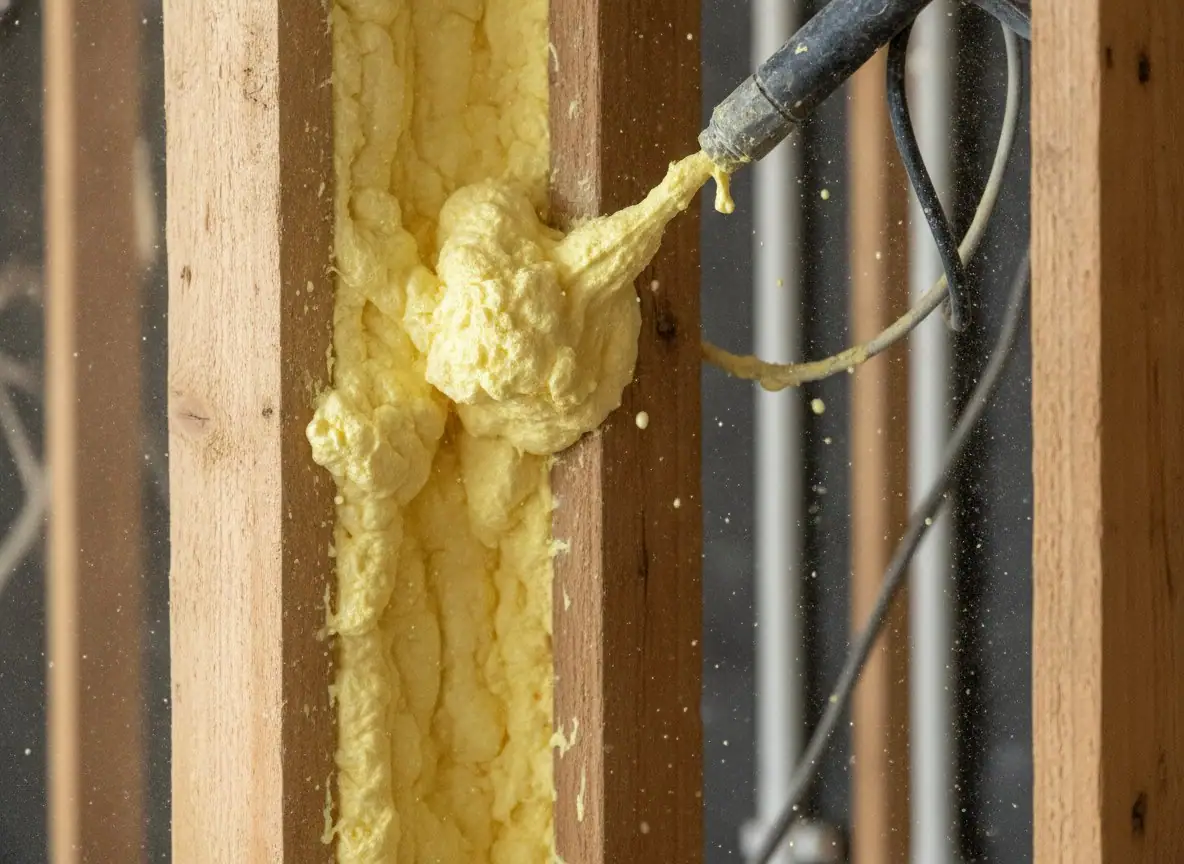
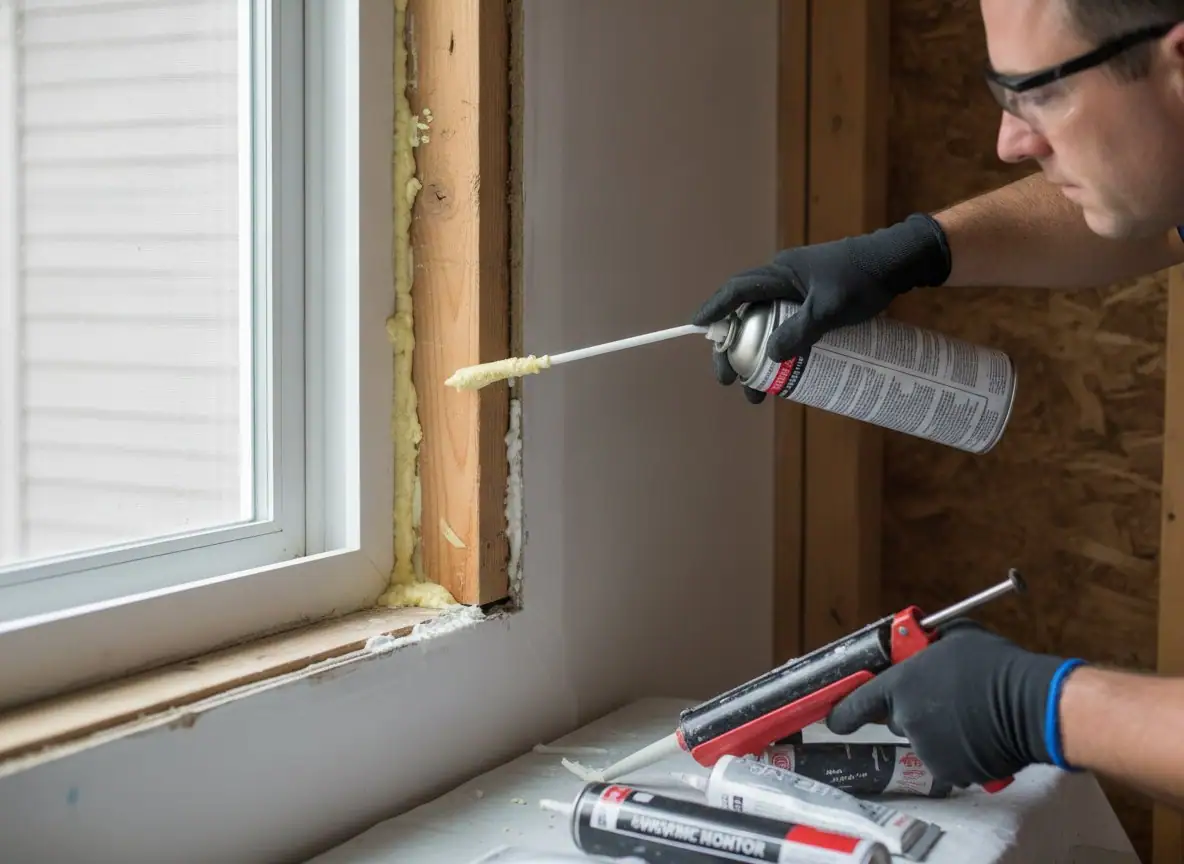
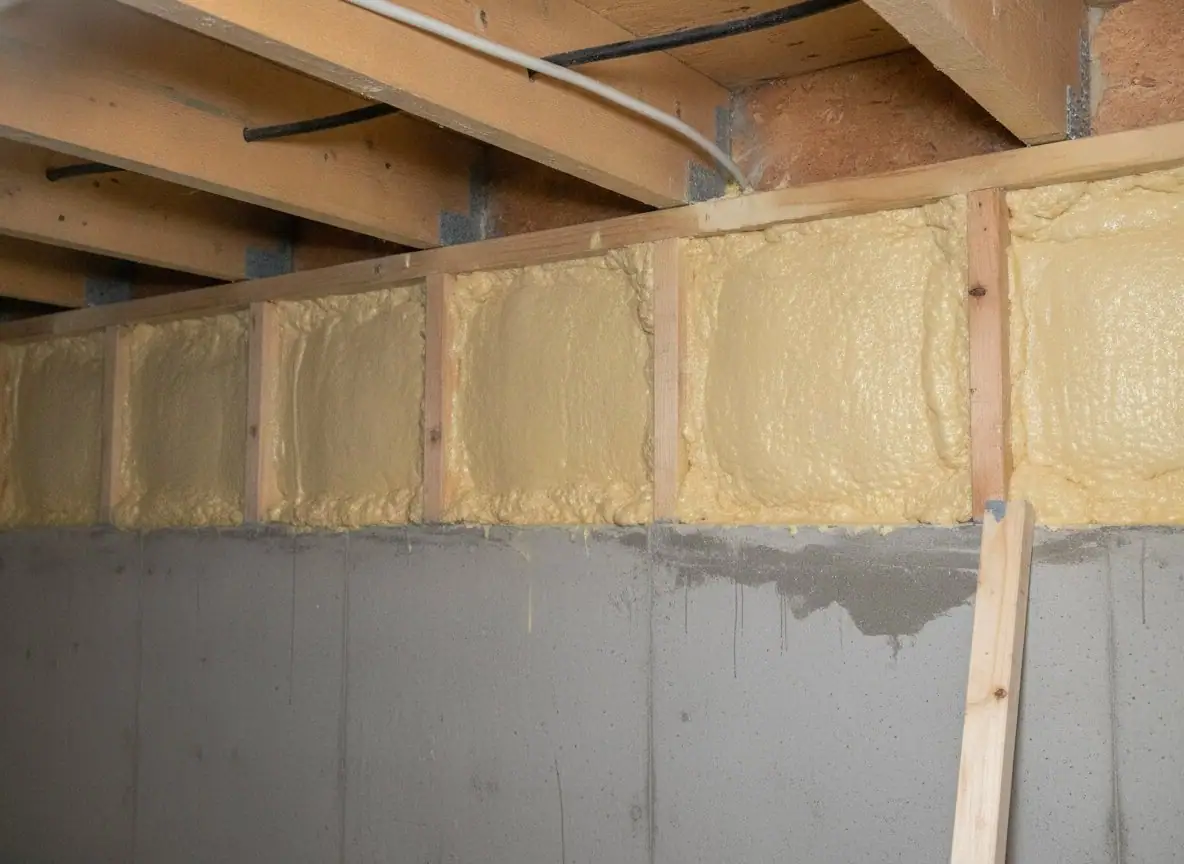
Spray foam insulation is available in open-cell and closed-cell formulations. Closed-cell spray foam, with R-values of R-6 to R-7 per inch, is our preferred choice for Orange garage applications where space is limited and maximum thermal resistance is needed. It also provides superior moisture resistance — critical for slab-adjacent walls in Orange’s clay-soil areas. Open-cell foam is recommended for interior shared walls where acoustic performance is also a priority.
Fiberglass Batt Insulation
Fiberglass batts remain the most cost-effective option for standard wood-framed garage walls with open stud cavities. We use unfaced R-13 batts for exterior walls and R-19 batts for walls shared with conditioned living space, following California energy code. This method is ideal for Orange homeowners seeking a balance of performance and affordability.
Blown-In (Loose-Fill) Insulation
Blown-in insulation using cellulose or fiberglass is ideal for garage ceilings and any wall cavities that are already drywalled and cannot be opened. Dense-pack blown-in cellulose, in particular, provides excellent air infiltration resistance and is made from recycled materials — an appealing option for environmentally conscious Orange homeowners.
Rigid Foam Board Insulation
Rigid foam panels (polyisocyanurate or XPS) are used for garage door insulation kits, interior wall furring applications, and under-slab applications in garage conversions. Their high R-value per inch and moisture resistance make them well-suited for Orange’s climate conditions.
Garage Insulation Cost in Orange, CA
The cost of garage insulation in Orange, CA varies based on garage size, insulation type, existing conditions, and the scope of air sealing required. Below are general price ranges to help you plan your project:
Typical Cost Ranges
- Basic fiberglass batt installation (standard 2-car garage, walls only): $400 – $900
- Fiberglass batt installation (walls and ceiling, 2-car garage): $700 – $1,500
- Spray foam insulation (closed-cell, walls and ceiling, 2-car garage): $1,800 – $3,500
- Blown-in cellulose (ceiling only, 2-car garage): $500 – $1,100
- Insulation removal and replacement: Add $300 – $800 to base installation cost
- Garage door insulation kit (professional installation): $150 – $400 per door
Read moreShow less
Cost Factors Specific to Orange, CA
Labor rates in Orange County are higher than the national average, reflecting the region’s cost of living. Material costs have also remained elevated following supply chain disruptions, though prices have stabilized since 2023. Permit fees for garage conversions in Orange typically add $200 – $600 to project costs. Homes built before 1978 may require asbestos testing on existing insulation materials before removal, adding $150 – $300 for testing services.
California utilities, including SoCalGas and Southern California Edison, periodically offer rebates for qualifying insulation upgrades. We can help identify current incentive programs that may reduce your out-of-pocket cost. Contact us at (714) 909-2175 for a free, no-obligation estimate tailored to your specific garage.
Orange Neighborhoods We Serve
Old Towne Orange
The historic district surrounding Old Towne Orange Circle features homes primarily built between 1910 and 1950, many with detached single-car garages that have never been insulated. These older structures often have non-standard stud spacing and plaster-on-lath construction that requires specialized installation techniques. Our team has extensive experience working within the unique structural constraints of Old Towne’s historic homes.
Orange Park Acres
This semi-rural community features larger homes with detached garages, workshops, and equestrian facilities built primarily between the 1960s and 1990s. Detached structures in Orange Park Acres often lack any wall insulation, making summer conditions extreme. We recommend closed-cell spray foam for these applications due to its superior performance and moisture resistance.
Serrano Heights and East Orange
Newer construction in East Orange, including Serrano Heights developments from the late 1990s and 2000s, typically features attached two- and three-car garages with living space directly above. Ceiling insulation in these garages is frequently inadequate by current standards, and we regularly upgrade these spaces to R-38 blown-in or spray foam systems.
The Crossings and Vintage at Portola Hills (Orange-Adjacent)
Planned communities near the Orange-Foothill Ranch boundary include townhomes and single-family homes with shared garage walls — a configuration that makes acoustic insulation as important as thermal performance.
Garage Insulation Maintenance Tips for Orange, CA Homeowners
- Inspect annually before summer: Every April, visually check garage walls and ceiling for signs of sagging, moisture staining, or pest activity that could indicate insulation damage.
- Seal garage door gaps: Replace weatherstripping on your garage door every 2–3 years. Orange’s intense UV exposure degrades rubber and vinyl seals faster than in cooler climates.
- Check attic-to-garage transitions: If your garage is below an insulated attic, verify that insulation hasn’t shifted or settled at the transition point, which is a common heat loss zone.
- Monitor for pest intrusion: Rodents and insects can compress or displace batt insulation. Look for droppings, nesting material, or unusual odors in wall cavities.
- Test your garage door insulation: Touch the interior panel of your garage door during peak afternoon heat. If it feels warm to the touch, the door insulation may need upgrading or replacement.
- Keep ventilation clear: Ensure any soffit or gable vents in the garage area remain unobstructed to prevent moisture accumulation — particularly important during Orange’s winter rain season.
- Re-evaluate after renovations: Any electrical, plumbing, or structural work in the garage may create new gaps in the insulation envelope. Schedule a re-inspection after any significant garage project.
Why Choose Home Comfort Insulation for Garage Insulation in Orange, CA
Home Comfort Insulation is a locally focused insulation contractor serving Orange and the surrounding communities of Orange County. Our technicians are trained specifically in California building energy codes, including Title 24, and understand the unique thermal challenges posed by Orange’s inland climate zone, seasonal Santa Ana wind events, and diverse housing stock — from Old Towne’s historic bungalows to Serrano Heights’ modern attached garages.
We offer the full spectrum of insulation services under one roof, including spray foam, blow-in insulation, insulation removal and replacement, crawl space insulation, and crawl space encapsulation — meaning you never need to coordinate multiple contractors for complex projects.
Read moreShow less
Every project begins with a thorough, no-pressure assessment. We provide transparent, itemized quotes and explain every recommendation in plain language. Our goal is to deliver measurable improvements to your home’s comfort and energy efficiency — not to upsell services you don’t need. Call us at (714) 909-2175 to experience the Home Comfort Insulation difference.
FAQ
Frequently Asked Questions: Garage Insulation in Orange, CA
How much does garage insulation cost in Orange, CA?
Garage insulation costs in Orange typically range from $400 for a basic fiberglass batt installation in a single-car garage to $3,500 or more for a comprehensive closed-cell spray foam installation in a large attached two-car garage. The final cost depends on garage size, insulation type, existing conditions, and whether insulation removal is required. We provide free, on-site estimates with no obligation.
How long does a garage insulation installation take in Orange?
Most standard garage insulation projects in Orange are completed in a single day. A typical two-car garage with open stud walls and a flat ceiling can be insulated in 4 to 8 hours. Spray foam projects may require an additional 24-hour cure period before the space is fully usable. Projects that include insulation removal, extensive air sealing, or complex configurations may span two days.
Do I need a permit for garage insulation in Orange, CA?
Permits are generally not required for like-for-like insulation replacement or installation in existing garage walls in Orange. However, if your project involves a garage conversion to living space or an ADU, permits and Title 24 compliance inspections are required. We can advise you on permitting requirements specific to your project during the initial assessment.
What R-value do I need for a garage in Orange, CA?
California’s Title 24 standards and climate zone requirements for Orange (Climate Zone 8) recommend a minimum R-13 for exterior garage walls, R-19 for walls shared with conditioned living space, and R-30 to R-38 for ceilings below habitable rooms. We always recommend meeting or exceeding these minimums given Orange’s intense summer heat load.
Can I insulate my garage door, and is it worth it in Orange?
Yes, garage door insulation is absolutely worth it in Orange. An uninsulated steel garage door can reach surface temperatures exceeding 140°F during summer afternoons. Insulated door panels or aftermarket insulation kits can reduce this dramatically, lowering the overall heat load in the garage. We offer professional garage door insulation installation as a standalone service.
Is spray foam or fiberglass better for a garage in Orange?
Both materials perform well in Orange garages, and the best choice depends on your budget and specific goals. Closed-cell spray foam provides higher R-value per inch, superior air sealing, and moisture resistance — making it ideal for garages where space is limited or moisture is a concern. Fiberglass batts are more cost-effective for standard applications and deliver excellent performance when properly installed with air sealing. We recommend spray foam for garages with living space above and fiberglass for cost-conscious projects with accessible open stud cavities.
Does garage insulation really lower my energy bills in Orange?
Yes. Studies show that properly insulating an attached garage can reduce whole-home cooling costs by 10% to 20% in climates similar to Orange’s. Given that Southern California Edison rates in Orange County frequently exceed $0.35 per kWh during peak summer tiers, the energy savings from reduced HVAC demand can be substantial — often generating a return on investment within 3 to 5 years.
Can you insulate an already-drywalled garage in Orange without tearing out the walls?
Yes. If your garage walls are already finished with drywall, we can use dense-pack blown-in insulation to fill the cavities through small-diameter holes drilled in the drywall or from the exterior. The holes are patched after installation. This approach is minimally invasive and highly effective, making it a popular choice in Orange neighborhoods where garages were finished during original construction with little or no insulation.
Ready to Improve Your Garage’s Comfort and Efficiency? Contact Us Today
Don’t let another Orange summer turn your garage into an oven — or let heat radiate from an uninsulated garage wall into your home’s living spaces. Home Comfort Insulation is ready to help you with a free, no-obligation garage insulation assessment tailored to your home’s specific needs and Orange’s unique climate conditions.
Our team serves homeowners throughout Orange, CA and the surrounding communities with professional insulation installation, spray foam, blown-in insulation, and more. Whether you’re upgrading an older home near Old Towne or insulating a new garage conversion in East Orange, we have the expertise and materials to get the job done right.
Call us now at (714) 909-2175 to schedule your free assessment or to get answers to any questions about your garage insulation project. Comfortable homes start with smart insulation — let’s get started today.
Get in touch
Find insulation help near you
Request a free estimate online or give us a call — our team will follow up quickly.
- Call us(714) 909-2175
- Visit1650 N Glassell St, Orange, CA 92867
- HoursMon-Sun 07:00-19:00