Cellulose Insulation in Orange, CA
Energy-Saving Cellulose Insulation for Orange, CA Homes — Licensed & Insured
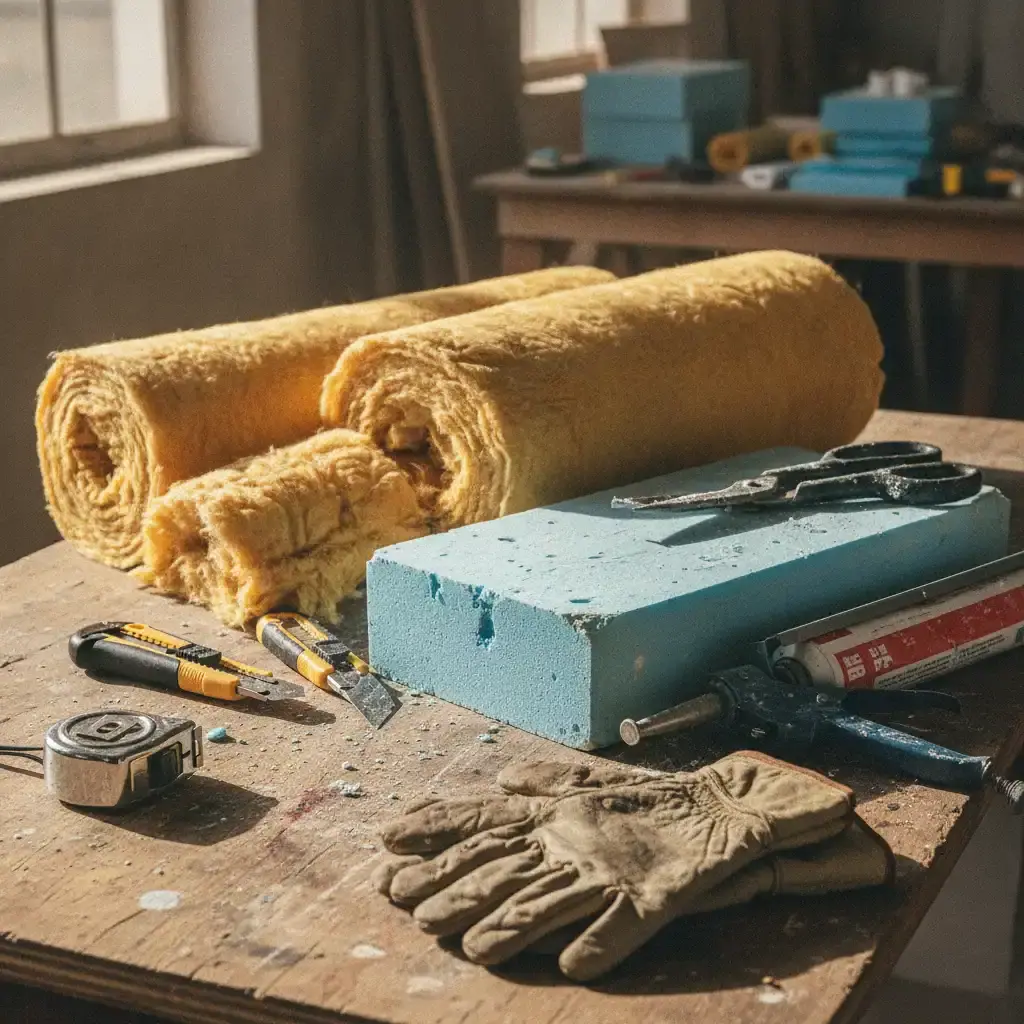
Cellulose insulation is an eco-friendly, high-performance insulating material made from recycled paper fibers — typically 80–85% post-consumer content — treated with fire-retardant borate compounds. It fills wall cavities, attics, and floor assemblies with a dense, seamless thermal and acoustic barrier that synthetic alternatives often cannot match in older building stock.
Orange, CA sits in the northeastern corner of Orange County, where inland temperature swings, the Santa Ana wind corridor, and a dense housing stock built between the 1950s and 1980s create a perfect environment for cellulose’s strengths. Many homes in historic Old Towne Orange and the Chapman Hills area were constructed before modern energy codes existed, leaving attics under-insulated by today’s standards.
Read moreShow less
At Home Comfort Insulation, our crews specialize in diagnosing exactly where your home is losing conditioned air and delivering cellulose insulation solutions calibrated to Orange’s unique climate demands. Call us today at (714) 909-2175 to schedule your free assessment.
Understanding Cellulose Insulation
Cellulose insulation has a longer history than most homeowners realize. The material was first patented in the United States in the 1920s, but it gained widespread adoption during the energy crisis of the 1970s when federal and state governments incentivized retrofitting existing homes with affordable insulating materials. California’s Title 24 energy code, which has been updated repeatedly since its 1978 inception, now mandates minimum R-values that many pre-1980 structures in Orange simply do not meet — making cellulose retrofits not just a comfort upgrade but often a code-compliance necessity during remodels.
The material is produced by shredding recycled newsprint, cardboard, and similar cellulose-based waste into fine fibers. Borate compounds are then infused throughout the fiber matrix. These borates serve three simultaneous functions: they resist fire, they deter insects and rodents, and they inhibit mold growth — all critical considerations in Southern California’s Mediterranean climate where dry winters give way to warm, occasionally humid summers.
Read moreShow less
Cellulose achieves an R-value of approximately R-3.2 to R-3.8 per inch when blown in at standard density, and R-4.0 to R-4.8 per inch when dense-packed into enclosed wall cavities. For Orange, CA homeowners, the California Energy Commission recommends attic insulation levels of R-38 to R-60 depending on climate zone. Orange falls primarily in CEC Climate Zone 8, which borders Zone 10 in its hotter inland pockets near Irvine Boulevard and Meats Avenue — meaning the upper end of that range is often warranted.
Cellulose’s fiber structure gives it a natural ability to absorb and release small amounts of moisture without losing its thermal performance — a property called hygric buffering. This makes it especially well-suited to Orange’s coastal-influenced air masses that periodically push marine layer humidity inland from the Pacific, particularly between May and July during the “June Gloom” season.
Building types in Orange range from Craftsman bungalows in the National Register Historic District to post-war ranch homes in the Serrano Heights area and newer planned developments near El Modena. Cellulose adapts to all of these, whether installed as loose-fill in open attic bays, dense-packed into enclosed stud cavities, or blown beneath floor decking over unconditioned crawl spaces.
Why Cellulose Insulation Is Needed in Orange, CA
The Santa Ana Wind Effect
Orange sits directly in the path of the Santa Ana wind corridor, the seasonal offshore flow that descends from the inland desert through the Cajon and Banning passes before spreading across Orange County. During peak Santa Ana events — like the November 2007 Witch Fire weather pattern that drove humidity below 5% across the county or the destructive December 2017 wind event that snapped power poles throughout Anaheim Hills just north of Orange — ambient temperatures in Orange can spike 15–25°F above seasonal norms within hours. Indoor HVAC systems work overtime during these events, and homes with R-11 or R-13 attic insulation (common in 1960s and 1970s construction) lose conditioned air rapidly. Upgrading to R-49 cellulose in the attic can reduce heating and cooling load by 25–40% during these extreme events.
Pre-Energy-Code Housing Stock
According to Orange County assessor data, a significant portion of Orange’s approximately 45,000 housing units were built before 1978, meaning they predate California’s first mandatory energy standards. Many of these homes in neighborhoods like Eichler Park, Old Towne, and the Santiago Hills area were built with 2×4 stud walls insulated with R-11 fiberglass batts — or no wall insulation at all. Modern energy modeling shows that a 1,800-square-foot home with under-insulated walls and an R-11 attic in Orange’s CEC Climate Zone 8 can carry an annual energy cost 40–55% higher than a code-compliant equivalent.
Clay Soil and Crawl Space Moisture
Orange’s underlying geology includes expansive Trabuco clay and Myford sandy loam soils across much of the city. Trabuco clay expands significantly when saturated — a common occurrence after the periodic atmospheric river events that hit Orange County, such as the February 2024 storm system that deposited over 4.5 inches of rain across the city in 72 hours. This expansion and contraction cycle stresses foundation systems and forces ground moisture upward into crawl spaces. Homes in the older flat-lot neighborhoods near Glassell Street and Chapman Avenue frequently show evidence of this moisture intrusion, making properly installed crawl space insulation essential to protecting floor assemblies and indoor air quality.
Urban Heat Island and Proximity to Industry
The western portions of Orange bordering Anaheim and Santa Ana experience measurable urban heat island effects, with surface temperatures running 3–7°F higher than the Santiago foothills to the east. This differential means homes in the West Orange and Cypress Street corridors need higher effective R-values to maintain the same interior comfort as homes in cooler microclimates. Cellulose’s density and air-sealing capacity — far superior to low-density fiberglass batts — makes it the preferred choice for these urban heat island zones.
Wildfire Ember Concerns
Following the experience of neighboring Anaheim Hills during the 2017 Canyon Fire 2 event, Orange homeowners in the eastern hillside areas near Nohl Ranch Road and Meats Canyon have become acutely aware of wildfire ember intrusion. Cellulose treated with borate fire retardants achieves a Class 1 flame-spread rating (ASTM E84), providing meaningful — though not absolute — protection compared to untreated organic fill materials.
Free, no-obligation estimates
Talk to Home Comfort Insulation
Tell us what you need and we’ll take it from there.
Signs You Need Cellulose Insulation in Orange, CA
Energy and Comfort Indicators
- Monthly SoCal Edison bills exceeding $220–$280 for a standard 1,600–2,000 sq ft home during summer peak months (June–September)
- Rooms near the roofline or on exterior walls consistently 5°F or more warmer or cooler than central living areas
- HVAC system running continuously for more than 20 minutes per cycle without reaching the thermostat setpoint
- Noticeable drafts near electrical outlets, baseboards, or recessed lighting on exterior walls
Visual and Physical Symptoms
- Visible fiberglass batts in the attic that are flattened, discolored, or showing air channels — compressed fiberglass can lose 40–50% of its rated R-value
- Attic insulation depth measuring less than 10 inches (indicating R-30 or below, well short of the R-38–R-60 recommended for Orange)
- Water stains or efflorescence on crawl space joists or subfloor panels
- Musty odors on the ground floor — a sign of moisture accumulation in under-insulated crawl spaces
Urgency Indicators
- Home was built before 1980 and has never had insulation upgraded
- Recent roof replacement that disturbed existing attic insulation coverage
- Pest infestation evidence in attic — rodents frequently nest in and destroy fiberglass batts
- Planning a kitchen or bathroom remodel that opens wall cavities — ideal time for dense-pack retrofit
Our process
Our Cellulose Insulation Installation Process in Orange, CA
Home Comfort Insulation follows a structured, transparent process designed to maximize performance and minimize disruption to your household.
- 01
Free On-Site Assessment (1–2 Hours)
Our technician visits your Orange home to measure existing insulation depth, inspect for air leaks, assess attic ventilation, and check for moisture issues in the crawl space or wall cavities. We use a thermal imaging camera to identify hidden thermal bridges
- 02
Custom Scope and Proposal (Same Day or Next Business Day)
Based on assessment findings and your home’s CEC Climate Zone classification, we provide a written proposal specifying target R-values, material quantities in bags or cubic feet, projected installation time, and total cost with no hidden fees.
- 03
Air Sealing Preparation (2–4 Hours on Installation Day)
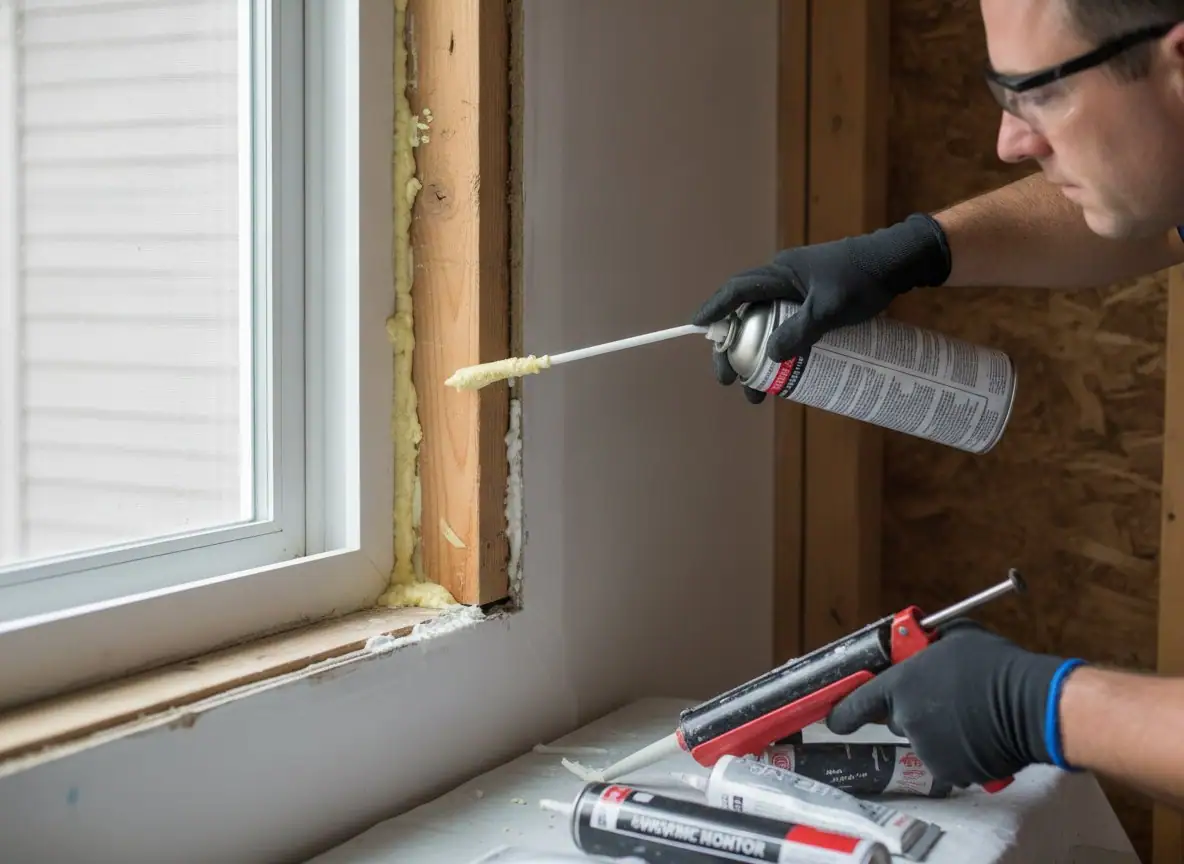
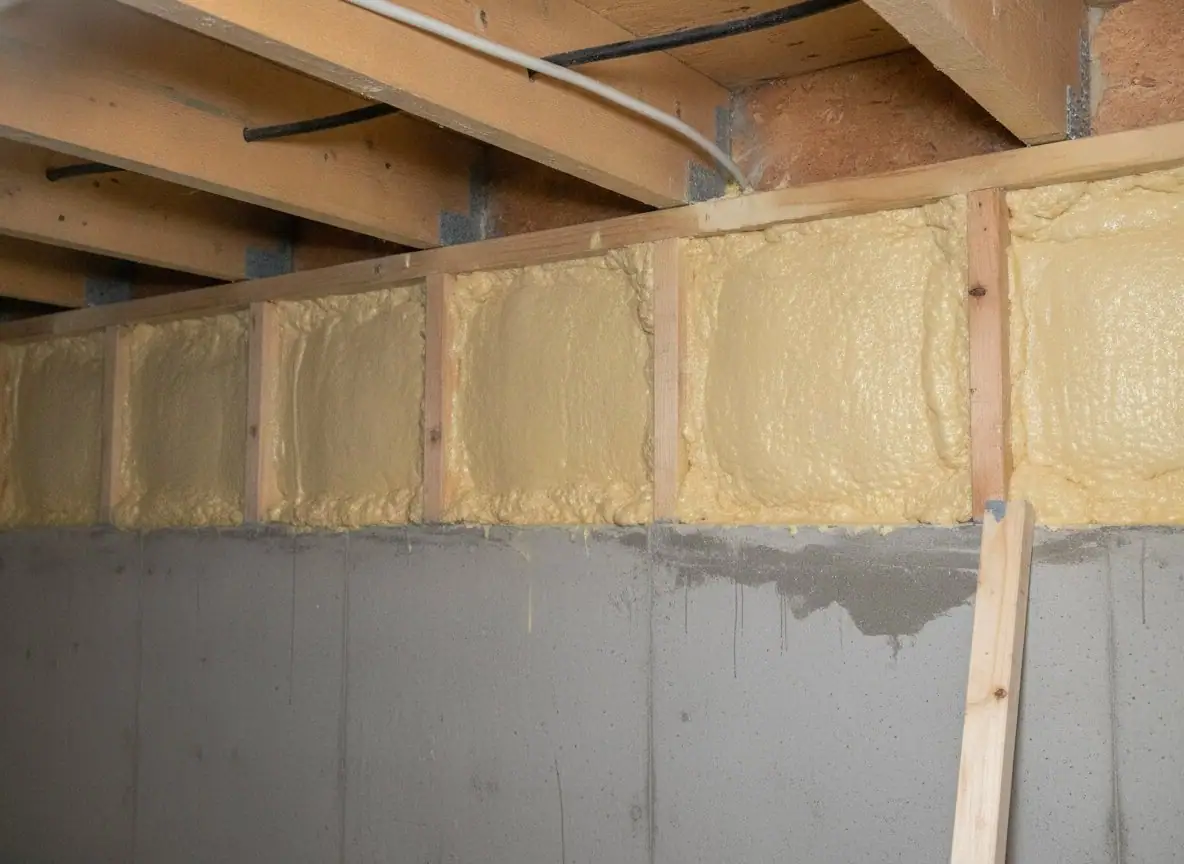
Before any cellulose is blown, our crew seals attic bypasses — top plates, electrical penetrations, recessed light fixtures, and chimney chases — with two-component spray foam or fire-rated caulk. In Orange’s older housing stock, this step is critical because
- 04
Equipment Setup and Material Staging (30–60 Minutes)
We position our truck-mounted blowing machine at a safe, non-obstructive location — typically the driveway or street — and run flexible hoses up to 150 feet to reach attic access hatches or wall drill points. Drop cloths protect interior finishes.
- 05
Cellulose Installation (2–6 Hours Depending on Scope)
For open attics, we blow cellulose to the specified depth using depth ruler gauges placed every 10 feet for consistent coverage. For dense-pack wall applications, we drill 2-inch access holes between studs, install a fill tube, and pack cellulose at 3.5–4.0 lb
- 06
Final Depth Verification and Cleanup (30–60 Minutes)
We photograph final insulation depths at multiple points and provide you a completion report. All drill holes in wall applications are patched with matching compound. Job site is cleaned and departure checklist completed.
- 07
Post-Installation Follow-Up (Within 30 Days)
We encourage clients to monitor their next SoCal Edison billing cycle and contact us with any comfort questions. We stand behind our installation accuracy and will return to address any settlement or coverage gaps at no charge.
Cellulose Insulation Methods and Approaches
Loose-Fill Open Attic Application
The most common application in Orange’s single-family ranch and tract homes. Cellulose is blown into open attic bays to a settled depth achieving the target R-value. Best suited for accessible, unconditioned attics with clear joist bays. Installation is fast — typically 1,500–2,500 sq ft of attic floor in 2–4 hours. Learn about our full attic insulation services
Dense-Pack Wall Retrofit
Ideal for Orange’s pre-1980 homes that have hollow or under-insulated stud cavities. Cellulose is injected at high density (3.5–4.5 lbs/cu ft) through small drill holes in the exterior siding or interior drywall. The high density prevents settling over the 20–30 year service life and dramatically improves wall air sealing. Commonly applied in Old Towne Orange’s Craftsman and Spanish Colonial homes where opening walls is cost-prohibitive.
Stabilized or Spray-Applied Cellulose
Water-activated cellulose adhesive is used for cathedral ceilings, steep-pitched roof decks, or open wall framing during new construction or full gut remodels. The adhesive holds the material in place during drying (12–24 hours) after which it achieves full thermal and acoustic performance. Less common but used in custom homes in the Santiago Hills and Serrano Heights new-construction corridors.
Cellulose Crawl Space and Floor Insulation
In homes with unconditioned crawl spaces — prevalent in Orange’s older flat-lot neighborhoods — cellulose is blown between floor joists from below at R-19 to R-30 to reduce heat loss and ground moisture interaction. Often paired with vapor barrier installation for maximum effectiveness. View our crawl space insulation solutions
Cellulose Insulation Cost in Orange, CA
Understanding the cost of cellulose insulation in Orange helps homeowners budget accurately and evaluate quotes fairly. Pricing varies based on application type, existing conditions, and scope of work.
Typical Price Ranges
- Attic Loose-Fill Cellulose: $1.20–$2.00 per square foot of attic floor area for homes bringing existing insulation up to R-38. A 1,500 sq ft attic typically costs $1,800–$3,000 installed.
- Dense-Pack Wall Retrofit: $2.50–$4.50 per square foot of wall area, including patching. A 1,800 sq ft home with 4-inch exterior walls may run $3,500–$6,500 depending on accessibility and siding type.
- Crawl Space Floor Insulation: $2.00–$3.50 per square foot of floor area. A 1,000 sq ft crawl space typically costs $2,000–$3,500 installed.
- Insulation Removal Prior to Replacement: $1.00–$2.00 per square foot of attic floor area for old fiberglass or degraded cellulose removal before fresh installation. Learn about our insulation removal services
Read moreShow less
Factors That Affect Cost in Orange
- Attic access difficulty: Low-pitch rooflines common in 1960s ranch homes limit crew mobility and increase labor time
- Existing air sealing needs: Older Orange homes with many unsealed penetrations add $300–$800 to project cost
- Material quantity: Achieving R-49 requires approximately 14–16 inches of settled cellulose depth
- SoCal Edison rebates: Orange homeowners may qualify for utility rebates of $0.10–$0.25 per square foot for meeting or exceeding Title 24 R-value targets — reducing net cost meaningfully
Request an itemized quote by calling (714) 909-2175 — we provide written estimates with no obligation.
Cellulose Insulation Services Across Orange, CA Neighborhoods
Old Towne Orange (Built 1890s–1940s)
Orange’s National Register Historic District features Craftsman bungalows, Spanish Colonial Revivals, and Victorian-era homes with original knob-and-tube wiring considerations and balloon-framed walls. Dense-pack cellulose through minimally invasive drill holes is the preferred approach here, preserving historic exterior finishes while dramatically improving thermal performance.
Santiago Hills and Serrano Heights (Built 1980s–2000s)
These hillside communities feature larger two-story homes with complex rooflines and cathedral ceilings. Attic accessibility can be limited, and the elevated terrain increases exposure to Santa Ana wind-driven heat loads. Stabilized cellulose and high-density attic applications are commonly specified here.
West Orange Near Chapman Avenue (Built 1950s–1970s)
Post-war tract homes in this corridor frequently have original R-11 fiberglass batts that are 40–50 years old, heavily compressed, and thermally ineffective. Full insulation removal followed by fresh cellulose installation is the most common project scope we encounter in this neighborhood. Explore insulation replacement services
El Modena and Prospect Park Area (Built 1960s–1980s)
A mix of ranch homes and early planned developments characterizes this eastern Orange neighborhood. Many homes here have unconditioned crawl spaces over Trabuco clay soils susceptible to seasonal moisture fluctuation, making combined attic and crawl space insulation projects common. Learn about crawl space encapsulation
Cellulose Insulation Maintenance Tips for Orange, CA Homeowners
- Inspect attic insulation depth annually. Measure with a ruler in at least four locations. If settled depth has dropped below 10 inches, contact us for a top-off evaluation.
- Check attic ventilation each spring. Blocked soffit or ridge vents in Orange’s Mediterranean climate trap summer heat that accelerates cellulose drying and settling. Clear debris after Santa Ana wind events.
- Monitor crawl space moisture after heavy rain events. After atmospheric river systems — increasingly common in Orange County — inspect for standing water or elevated humidity above 60% RH. Persistent moisture compromises floor insulation effectiveness.
- Seal attic hatch covers. The attic hatch is often the single largest thermal bypass in Orange’s older ranch homes. Ensure your hatch cover is insulated to at least R-38 and weather-stripped on all four sides.
- Address roof leaks immediately. Water-saturated cellulose loses R-value and can harbor mold. Orange’s brief but intense winter rainstorms can allow leaks to go undetected for weeks.
- Keep attic insulation clear of eave baffles. Orange’s coastal marine layer pushes humidity through soffit vents. Blocking soffits with cellulose prevents proper ventilation and may cause moisture accumulation near the eave line.
- Recheck wall insulation after any major exterior renovation. Stucco repair, window replacement, or residing common in Orange’s aging housing stock can disturb dense-pack wall insulation, creating gaps.
Why Choose Home Comfort Insulation for Cellulose Insulation in Orange, CA
Home Comfort Insulation is a locally focused insulation contractor serving Orange and surrounding Orange County communities. Our crews have direct, hands-on experience with the housing types, soil conditions, and climate challenges specific to Orange — from the historic Craftsman homes of Old Towne to the hillside developments near Nohl Ranch Road.
We offer the full spectrum of insulation services under one roof: cellulose installation, spray foam air sealing, attic insulation, blow-in applications, crawl space encapsulation, insulation removal, and complete insulation replacement. This means we can assess your home holistically rather than recommending a single product regardless of your actual needs.
Read moreShow less
Our technicians are trained in proper cellulose density verification, thermal bypass identification, and California Title 24 compliance documentation — practical knowledge that translates directly into better-performing insulation systems for your home.
We provide clear, written quotes with no hidden fees and encourage you to compare our pricing and scope of work against any competitor. Call us at (714) 909-2175 to schedule your free on-site assessment today.
FAQ
Frequently Asked Questions About Cellulose Insulation in Orange, CA
How much does cellulose insulation cost in Orange, CA?
For a typical Orange home, attic loose-fill cellulose ranges from $1.20 to $2.00 per square foot of attic floor area installed. A 1,500 sq ft attic brought up to R-38 typically costs $1,800–$3,000. Dense-pack wall applications run $2.50–$4.50 per wall square foot. SoCal Edison rebates can offset $0.10–$0.25 per square foot for qualifying projects, reducing your net investment.
How long does cellulose insulation installation take in an Orange home?
Most single-family attic projects in Orange are completed in 4–8 hours in a single visit, including air sealing preparation. Dense-pack wall projects typically require 1–2 days depending on home size and accessibility. Crawl space floor insulation generally takes 3–6 hours for an average-sized home.
Is cellulose insulation safe for older Orange homes with knob-and-tube wiring?
This is an important and Orange-specific question. Many Old Towne and pre-1950 homes in Orange still have original knob-and-tube wiring. California building codes and most jurisdictions require that knob-and-tube wiring be de-energized or replaced before cellulose is blown over it in attic spaces, as the open-air cooling requirement for this wiring type is incompatible with surrounding insulation. We identify wiring conditions during our assessment and will flag this issue before proceeding.
How does cellulose compare to fiberglass batts for Orange’s climate?
Cellulose consistently outperforms fiberglass batts in real-world conditions for three reasons relevant to Orange: (1) it air-seals as it fills, while batt edges leak; (2) its density maintains performance during Santa Ana wind events when pressure differentials drive air infiltration through wall assemblies; and (3) it resists the settling and gap formation common in 40-year-old fiberglass batts found in Orange’s post-war housing stock.
Will cellulose insulation settle over time and lose effectiveness?
Dense-packed cellulose (installed at 3.5–4.5 lbs per cubic foot in wall cavities) experiences negligible long-term settling — typically less than 2% over the material’s 20–30 year service life. Open attic loose-fill cellulose settles approximately 15–20% in the first year, which is factored into installation depth calculations. We install to a depth that accounts for this initial settlement to ensure the final R-value meets specification.
Can cellulose insulation get wet during Orange’s rainy season?
Cellulose can absorb moderate amounts of moisture and dry out without permanent performance loss — a key advantage of its hygric buffering properties. However, sustained saturation from a roof leak or plumbing failure will cause the material to mat, lose R-value, and potentially support mold growth. After Orange County’s increasingly intense winter storm events, a post-rain attic inspection is advisable if you have any known roof vulnerabilities.
Does cellulose insulation help with noise reduction in Orange neighborhoods?
Yes. Cellulose achieves a Sound Transmission Class (STC) rating notably higher than comparable-depth fiberglass. In Orange neighborhoods with traffic noise — particularly homes near the 22 Freeway, Chapman Avenue, or Katella Avenue corridors — dense-pack cellulose in exterior walls can reduce exterior noise penetration by 30–40% compared to empty or batt-insulated walls.
What areas of my home benefit most from cellulose insulation in Orange’s climate?
In Orange’s CEC Climate Zone 8, the priority order is typically: (1) attic — the highest thermal load driver in summer; (2) exterior walls — critical for winter comfort and Santa Ana wind resilience; (3) crawl space floor — especially in older flat-lot homes near Glassell or Chapman; (4) garage ceiling — relevant for attached garages that share walls with living spaces.
Get Expert Cellulose Insulation Service in Orange, CA Today
If your Orange home feels uncomfortably hot in summer, drafty during Santa Ana conditions, or is carrying energy bills higher than your neighbors’, inadequate insulation is almost certainly a contributing factor. Home Comfort Insulation is ready to assess your home, explain your options clearly, and install cellulose insulation that performs to specification for decades.
Call us now at (714) 909-2175 to schedule your free, no-obligation on-site assessment. Our team serves Orange homeowners throughout the city — from Old Towne to Santiago Hills — with honest recommendations and quality work backed by our commitment to your satisfaction.
Don’t wait for another summer heat wave or Santa Ana wind event to remind you what’s missing in your walls and attic. Contact Home Comfort Insulation today and start saving on energy costs tomorrow.
Get in touch
Find insulation help near you
Request a free estimate online or give us a call — our team will follow up quickly.
- Call us(714) 909-2175
- Visit1650 N Glassell St, Orange, CA 92867
- HoursMon-Sun 07:00-19:00