Crawl Space Insulation in Orange, CA
Energy-Saving Crawl Space Insulation in Orange, CA for Orange, CA Homes — Licensed & Insured
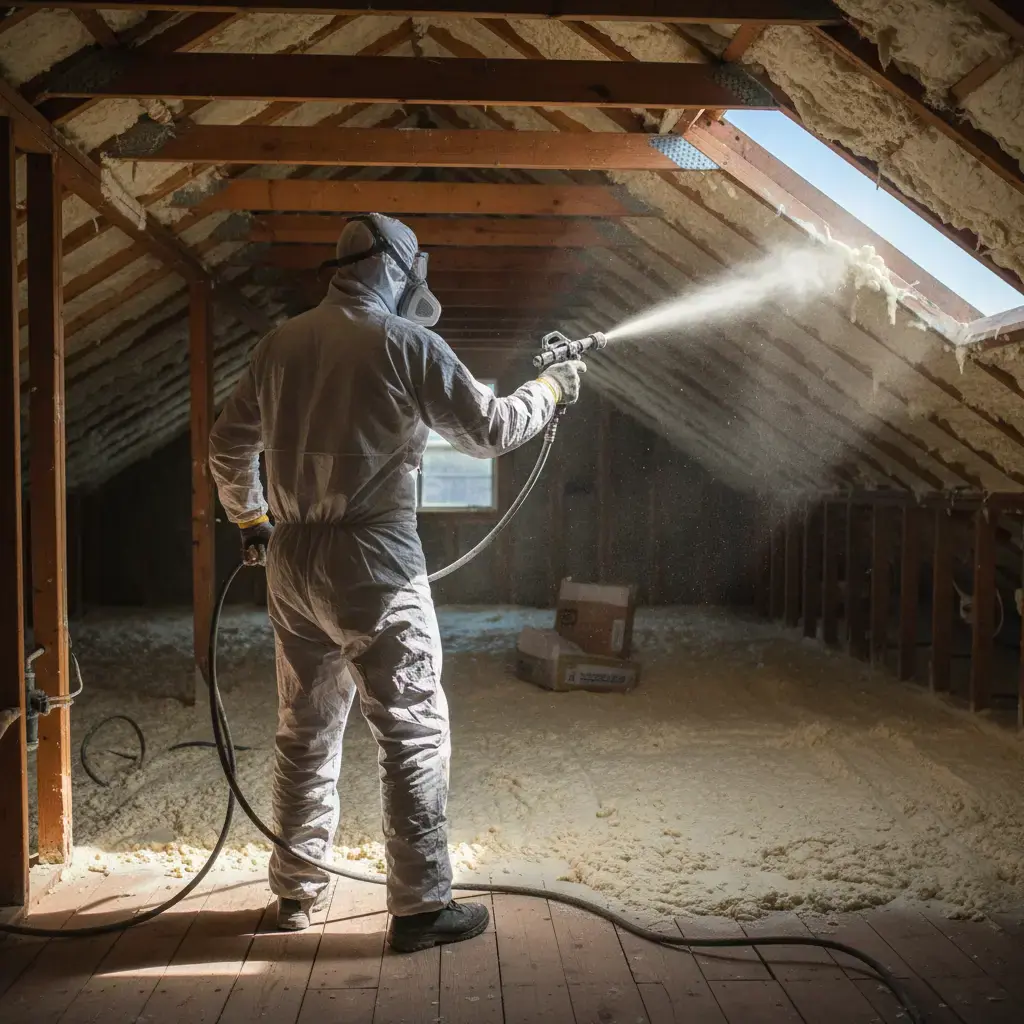
Crawl space insulation is the process of thermally sealing and protecting the underfloor cavity of your home, preventing heat transfer, moisture intrusion, and air infiltration between the ground and your living spaces. For homeowners in Orange, CA, this service is especially critical given the region’s Mediterranean climate, which brings warm, dry summers and cool, damp winters that create persistent moisture challenges beneath homes built on raised foundations.
Home Comfort Insulation is a professional insulation contractor serving Orange and the surrounding communities throughout Orange County. Our team understands the specific soil conditions, humidity patterns, and construction styles common to Orange neighborhoods — from mid-century ranch homes near Old Towne to newer construction in developments closer to the 55 Freeway corridor. Whether your crawl space needs a full insulation installation, a moisture barrier upgrade, or a complete replacement of deteriorated materials, we deliver reliable, code-compliant solutions designed for Southern California conditions. Call us today at 714-909-2175 to schedule your free assessment.
Understanding Crawl Space Insulation
A crawl space is a shallow, unfinished area beneath a home that provides access to plumbing, electrical wiring, and HVAC ductwork. Unlike a full basement, a crawl space typically ranges from 18 inches to 4 feet in height — just enough room for a technician to move through. In older California homes, crawl spaces were designed as a practical buffer between the ground and the floor system, allowing for ventilation and structural access. However, without proper insulation, they become a significant source of energy loss and indoor air quality problems.
Crawl space insulation has evolved considerably over the past several decades. Through the mid-20th century, most California homes relied on passive ventilation — screened vents along the foundation perimeter — combined with basic fiberglass batts stapled between floor joists. This approach was considered standard practice under older building codes. However, building science research conducted since the 1990s has consistently demonstrated that an encapsulated, conditioned crawl space with continuous vapor barriers and sealed insulation significantly outperforms the traditional vented approach in terms of energy efficiency, moisture control, and structural longevity.
Read moreShow less
In Orange, CA, a large proportion of the residential housing stock consists of homes built between the 1940s and 1980s, the era when raised-foundation construction with crawl spaces was the dominant building method in Southern California. Tract developments that expanded rapidly throughout Orange County during the post-World War II housing boom relied heavily on this design. As a result, thousands of homes throughout Orange sit atop crawl spaces that are now more than 50 years old, with insulation that has either degraded, been compromised by moisture and pests, or was never installed to modern performance standards in the first place.
Modern crawl space insulation systems in California must meet the requirements set forth by Title 24, the state’s energy efficiency standards, which mandate minimum R-values and installation methods for underfloor assemblies. In Climate Zone 10, which covers much of Orange County including the city of Orange, underfloor insulation is required to meet at least R-19. Many homeowners upgrading older systems choose to exceed this minimum for greater long-term savings.
Why Crawl Space Insulation Is Needed in Orange, CA
Orange, CA sits in the inland portion of Orange County, bounded by the Santa Ana River to the west and the Tustin hills to the east. This positioning creates a microclimate that differs meaningfully from coastal communities like Newport Beach or Huntington Beach. Orange experiences greater temperature swings — summer highs regularly reaching 95°F to 100°F during heat events, while winter nights can dip to the mid-30s°F. This thermal variability puts significant stress on an uninsulated or under-insulated crawl space, allowing cold air to penetrate floors in winter and radiant heat to seep upward in summer.
The soil composition beneath much of Orange is predominantly sandy loam and alluvial clay deposited by the Santa Ana River basin over thousands of years. This clay-heavy soil retains moisture efficiently, meaning that even during Southern California’s prolonged dry seasons, ground moisture continues to evaporate upward into crawl spaces throughout the year. During the rainy season — typically November through March — ground saturation increases dramatically, particularly in lower-elevation neighborhoods like those near Santiago Creek. Atmospheric rivers, such as the significant storm events that struck Orange County in January and February 2023, can deliver several inches of rain within days, temporarily raising the water table and driving moisture levels in crawl spaces to dangerous highs.
Read moreShow less
Homes in neighborhoods like Mabury Ranch, Serrano Heights, and the older tracts surrounding Chapman University were built across different eras and face distinct crawl space challenges. Older construction near Old Towne Orange — homes dating to the 1920s through 1950s — commonly have original, unencapsulated crawl spaces with crumbling or absent vapor barriers, original wood floor joists that have absorbed decades of moisture, and deteriorated fiberglass batts that have fallen from between the joists entirely. In newer developments like those built in the 1990s and 2000s near the Irvine border, crawl spaces may appear more intact but often suffer from inadequate vapor barriers and compressed fiberglass that no longer performs to its rated R-value.
The seasonal Santa Ana wind events that periodically sweep through Orange County also affect crawl spaces indirectly. These hot, dry offshore winds — which can push temperatures above 100°F in Orange during October and November — force HVAC systems to work harder. When crawl space insulation is compromised, conditioned air escapes through floor assemblies at a faster rate, placing additional load on heating and cooling equipment. Studies from the California Energy Commission estimate that a poorly insulated crawl space can account for 15% to 25% of a home’s total heating and cooling loss, a figure that translates directly into elevated utility bills on Southern California Edison service accounts common throughout Orange.
Pest pressure adds another layer of urgency unique to this area. Orange County’s warm climate supports active populations of subterranean termites, roof rats, and ground squirrels, all of which frequently nest within crawl spaces. When these pests damage or displace existing insulation, the thermal and moisture control benefits of that insulation are immediately lost, and the organic debris they leave behind accelerates wood rot and mold growth.
Free, no-obligation estimates
Talk to Home Comfort Insulation
Tell us what you need and we’ll take it from there.
Signs You Need Crawl Space Insulation in Orange
Energy and Comfort Indicators
- Floors feel noticeably cold in winter or warm in summer despite running your HVAC system
- Unexplained spikes in your Southern California Edison electricity bills, particularly during summer cooling season
- Uneven room temperatures, with ground-floor rooms consistently harder to heat or cool than upper levels
- HVAC system running in longer cycles than it previously did
Moisture and Air Quality Indicators
- Musty or earthy odors rising from floor vents or near baseboards — a common complaint in Orange homes following winter rain events
- Visible mold or mildew staining on subfloor materials observed during inspection
- Condensation forming on cold water pipes beneath the home
- Warping, buckling, or soft spots in hardwood or laminate flooring
Pest and Structural Indicators
- Evidence of rodent activity — droppings, nesting materials, or gnaw marks — in the crawl space
- Insulation batts visibly fallen from between floor joists or bunched at the crawl space floor
- Damaged or missing vapor barrier sheeting
- Staining or discoloration on floor joists indicating sustained moisture exposure
Urgency note: If you observe standing water in your crawl space following rain, or detect strong odors after a warm, humid period, schedule an inspection immediately — mold colonies can establish within 24 to 48 hours under favorable conditions.
Our process
Our Crawl Space Insulation Process
- 01
Free Inspection and Assessment (1–2 Hours)
Our technician performs a thorough crawl space inspection, measuring the space dimensions, documenting existing insulation condition and R-value, assessing moisture levels with a calibrated hygrometer, and identifying pest damage, mold, or structural concerns.
- 02
Insulation Removal and Debris Clearing (Half Day to Full Day)
Before new insulation can be installed, any deteriorated, contaminated, or pest-damaged existing material must be removed. Our team uses commercial-grade HEPA vacuum equipment and negative air pressure systems to remove old fiberglass batts or blown-in materia
- 03
Mold Treatment and Pest-Proofing (As Needed, 2–4 Hours)
If mold or pest evidence is discovered, we apply EPA-registered antimicrobial treatments to affected wood surfaces and seal any identified rodent entry points with galvanized steel mesh and caulking — a particularly important step given Orange County’s active
- 04
Vapor Barrier Installation (2–4 Hours)
We install a 6-mil to 20-mil cross-laminated polyethylene vapor barrier across the entire crawl space floor and up foundation walls, sealed at all seams with moisture-resistant tape. This step is critical for managing the ground moisture common to Orange’s all
- 05
Insulation Installation (Half Day to Full Day)
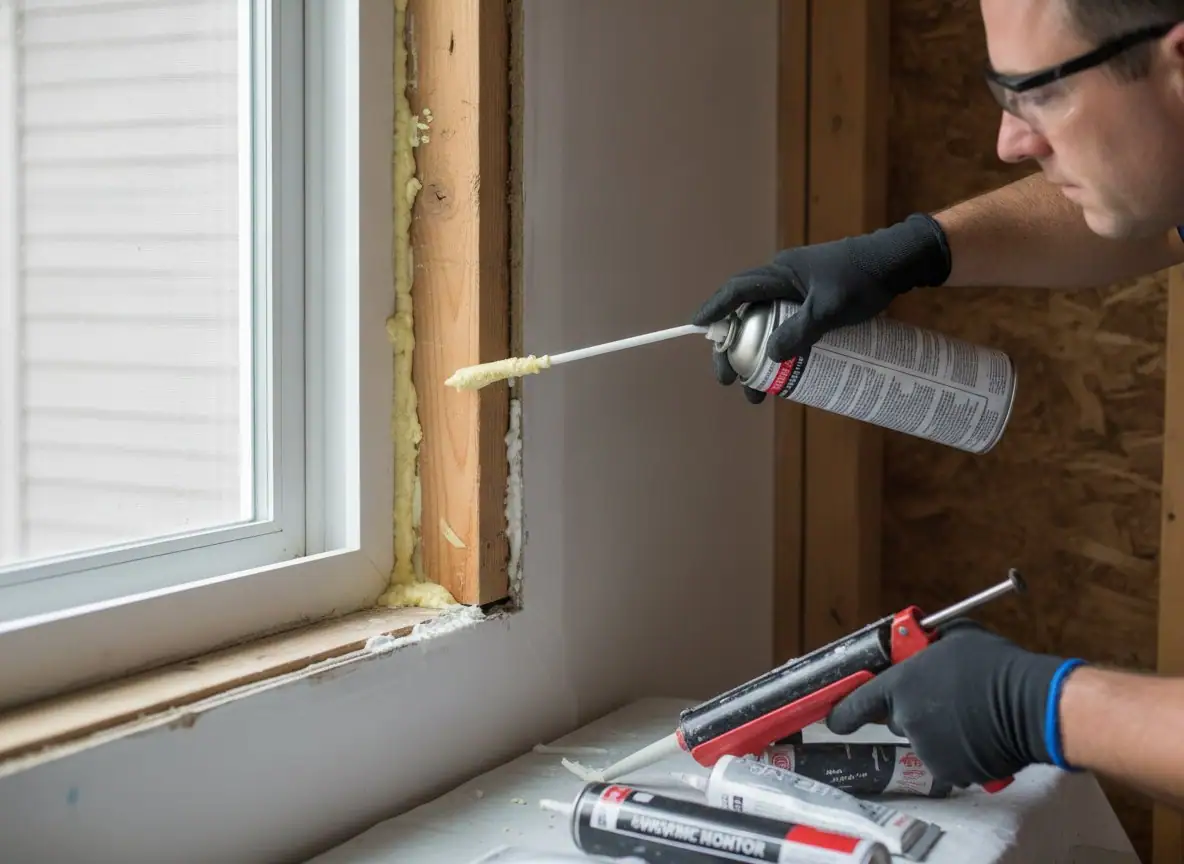
New insulation is installed to meet or exceed California Title 24 Climate Zone 10 requirements. Depending on the method selected, this involves fitting rigid foam boards, spray foam, or fiberglass batts between floor joists at the specified R-value. All work i
- 06
Air Sealing and Vent Management (1–2 Hours)
We seal air bypass points around pipes, ducts, and wiring penetrations. For encapsulated crawl space projects, existing foundation vents are sealed and, where appropriate, a small conditioned air supply is introduced per California code requirements for sealed
- 07
Final Inspection and Documentation (30–60 Minutes)
We conduct a post-installation walkthrough, verify coverage and performance, and provide you with documentation of materials installed including R-values and product specifications for your records and any future home sale disclosures.
Crawl Space Insulation Methods and Approaches
Fiberglass Batt Insulation
Fiberglass batts are the most traditional approach for underfloor insulation, fitted between floor joists at R-19 to R-30 ratings suitable for California Climate Zone 10. They are cost-effective and appropriate for crawl spaces with consistent joist spacing and no significant moisture issues. Best suited for newer Orange homes with intact vapor barriers and minimal pest history. Learn more about Fiberglass Insulation
Spray Foam Insulation
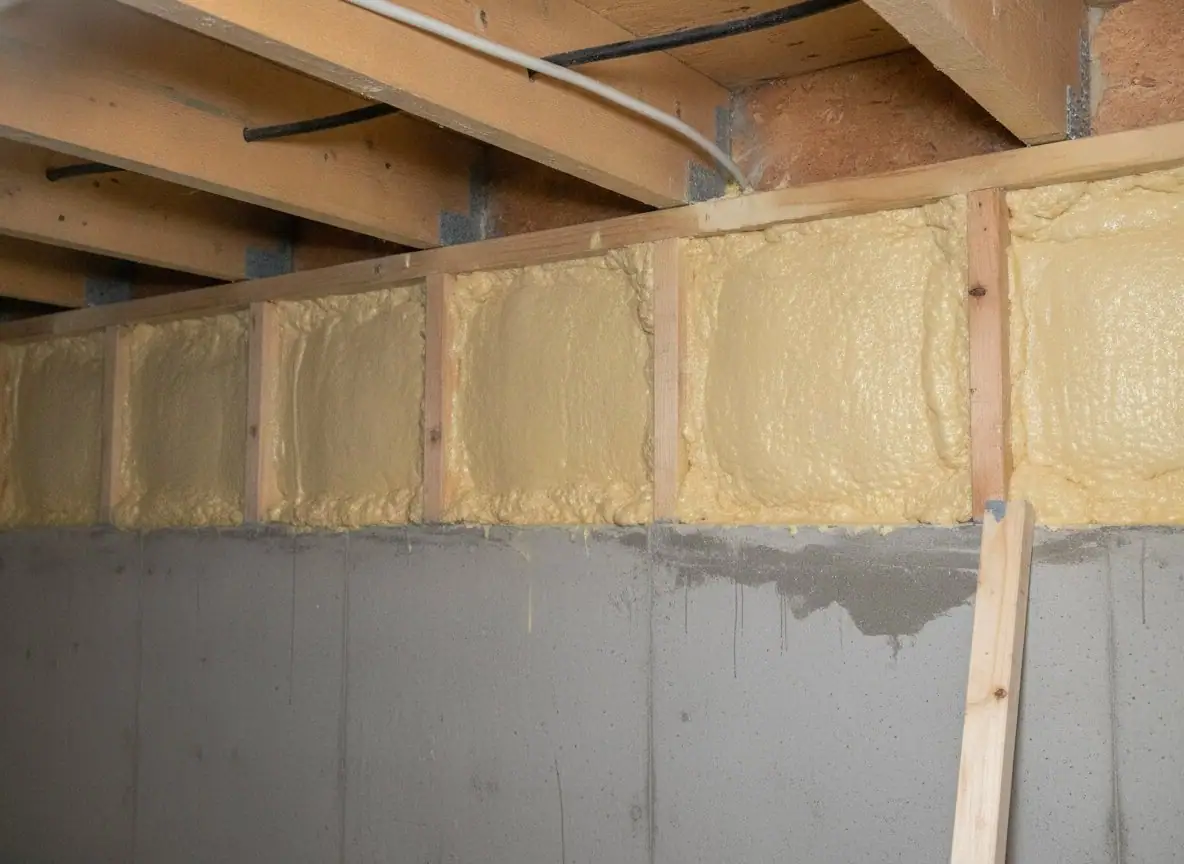
Closed-cell spray foam offers the highest R-value per inch (approximately R-6 to R-7 per inch) and creates a seamless air and moisture barrier simultaneously. It is the preferred method for encapsulated crawl space conversions in older Orange homes where air leakage and moisture intrusion are primary concerns. Its rigid structure also adds minor structural reinforcement to aging floor joists. Explore Spray Foam Insulation options
Blown-In Insulation
Blown-in cellulose or fiberglass can be applied to accessible crawl space areas where irregular joist spacing or obstructions make batts impractical. This method conforms to unusual framing configurations common in pre-1960 Orange homes and achieves consistent coverage in tight or irregular spaces. Discover our Blown-In Insulation services
Rigid Foam Board Insulation
Polyisocyanurate or extruded polystyrene rigid foam panels are installed against interior foundation walls in encapsulated crawl space systems, providing continuous thermal resistance without the air gaps that can occur with batt insulation. This method is particularly effective for addressing the cold foundation perimeter common in Orange homes during winter nights.
Crawl Space Insulation Cost in Orange, CA
The cost of crawl space insulation in Orange, CA varies based on crawl space size, existing conditions, insulation method, and the scope of preparatory work required. Below are typical price ranges for Orange-area homeowners:
- Basic fiberglass batt installation (clean crawl space, vapor barrier in place): $1,500 – $3,000 for a standard 1,200–1,500 sq ft home
- Spray foam insulation (closed-cell, applied to floor joists): $3,500 – $6,500 depending on crawl space square footage and foam thickness
- Full crawl space encapsulation (vapor barrier, foam board on walls, sealed vents, dehumidifier): $5,000 – $12,000 for comprehensive systems
- Insulation removal and replacement (includes debris disposal): Add $800 – $2,500 depending on volume and contamination level
- Vapor barrier only (without new insulation): $800 – $2,000 depending on crawl space size and barrier thickness
Read moreShow less
Factors That Affect Your Cost
- Crawl space accessibility — low-clearance spaces under some older Orange bungalows require more labor time
- Presence of mold, pest damage, or standing moisture requiring remediation before installation
- Current insulation removal requirements
- Selected R-value and insulation material type
- Local permit requirements for encapsulation projects in Orange
California homeowners may be eligible for rebates through Southern California Edison’s energy efficiency programs, which periodically offer incentives for underfloor insulation upgrades meeting Title 24 standards. Contact us at 714-909-2175 for a detailed, no-obligation written estimate specific to your home.
Neighborhoods We Serve in Orange, CA
Old Towne Orange
Homes surrounding Old Towne Orange’s historic plaza district were largely built between the 1910s and 1950s. These properties commonly feature original wood-framed floors over low-clearance crawl spaces with decades-old vapor barriers or none at all. Many require complete insulation removal and encapsulation prior to installing modern materials.
Mabury Ranch
This established neighborhood features homes built primarily in the 1970s and 1980s. Crawl spaces here typically have original fiberglass batts that have lost significant R-value due to compression and moisture absorption over the decades, and vapor barriers that have become brittle and torn.
Serrano Heights
Located in the hillside eastern portion of Orange, Serrano Heights homes built in the 1990s and early 2000s sit on terrain with steeper grade changes that create variable crawl space clearances. Drainage patterns and seasonal rain runoff make moisture management a priority in this area.
Villa Park Border Area
Homes near the Villa Park boundary in north Orange tend to be larger ranch-style properties from the 1960s and 1970s with extensive crawl space square footage. The sheer size of these spaces makes comprehensive insulation and encapsulation projects more complex and particularly impactful for energy savings.
Crawl Space Insulation Maintenance Tips for Orange Homeowners
- Inspect annually after the rainy season: Schedule a crawl space check each spring — ideally in April or May after Orange’s rainy season ends — to identify any moisture intrusion, condensation, or shifting insulation before warm weather sets in.
- Keep foundation vents clear: Remove leaves, debris, and soil buildup from exterior foundation vents each fall to maintain airflow in vented crawl spaces and prevent blockage that traps moisture.
- Monitor for pest activity: Check crawl space access panels quarterly for evidence of rodent entry, especially after Santa Ana wind events when pest activity tends to increase in Orange County.
- Check vapor barrier integrity: During annual inspections, look for tears, separations at seams, or areas where the barrier has shifted away from foundation walls.
- Maintain proper drainage grading: Ensure the soil grade around your home’s foundation slopes away from the structure at a minimum of 1 inch per foot for the first 6 feet — critical for homes near Santiago Creek-adjacent lots.
- Seal plumbing penetrations: Periodically confirm that pipe and conduit penetrations through the floor above the crawl space remain sealed with appropriate caulk or spray foam.
- Address plumbing leaks immediately: Even minor pipe drips in a crawl space can saturate insulation within days — repair any leaks before they compromise your insulation investment.
Why Choose Home Comfort Insulation in Orange, CA
Home Comfort Insulation is a dedicated insulation contractor with deep familiarity with the construction styles, soil conditions, and climate patterns specific to Orange, CA and the broader Orange County region. We are not a general contractor adding insulation as a side service — insulation is our specialty, and crawl space work is one of our core areas of expertise.
Our team is trained in California Title 24 compliance requirements for Climate Zone 10 and stays current with updates to both state energy codes and local Orange building department permit requirements. Every project we complete is documented with material specifications and installation photographs, giving you a reliable record for home sales, insurance purposes, or future upgrade planning.
Read moreShow less
We offer comprehensive services under one roof — from initial inspection and old insulation removal through new installation, vapor barrier upgrades, air sealing, and rodent proofing — so you work with a single, accountable contractor rather than coordinating between multiple vendors. Ask about our Attic Insulation services to bundle your home’s insulation upgrade for maximum efficiency gains.
Call us at 714-909-2175 to speak with a local crawl space insulation specialist today.
FAQ
Frequently Asked Questions: Crawl Space Insulation in Orange, CA
How much does crawl space insulation cost in Orange, CA?
Costs typically range from $1,500 for a basic fiberglass batt installation in a clean crawl space to $12,000 or more for a full encapsulation system with vapor barrier, wall foam board, and vent sealing. The size of your crawl space, the condition of existing materials, and the insulation method selected are the primary cost drivers. We provide free written estimates for all Orange-area homeowners.
How long does crawl space insulation installation take?
A straightforward new installation in a clean crawl space typically takes one full day. Projects that include insulation removal, mold treatment, or full encapsulation may require two to three days depending on the size and complexity of the space. We will give you a specific timeline estimate during your free inspection.
Do I need a permit to insulate my crawl space in Orange, CA?
Standard insulation replacement (replacing like-for-like materials without structural changes) generally does not require a building permit in the city of Orange. However, full crawl space encapsulation projects that involve sealing foundation vents or adding mechanical ventilation systems may require a permit under the California Mechanical Code. We will advise you on permit requirements specific to your project scope during the assessment.
What R-value do I need for crawl space insulation in Orange?
Orange, CA falls within California Building Energy Efficiency Standards Climate Zone 10. Title 24 requires a minimum of R-19 for underfloor insulation in this climate zone. Most of our customers choose R-25 or R-30 for improved performance, particularly in older homes where air infiltration through the floor assembly is higher than in newer construction.
Is crawl space encapsulation worth it in Southern California’s dry climate?
Yes — the assumption that Southern California is too dry to warrant encapsulation is a common misconception among Orange homeowners. Ground moisture from Orange’s clay-heavy alluvial soils evaporates upward year-round, and the winter rainy season — including the significant atmospheric river events of 2023 — can push crawl space humidity to levels that support mold growth and wood decay even in typically dry years. Encapsulation also delivers meaningful energy savings by eliminating the stack effect through the floor assembly.
How do I know if my existing crawl space insulation needs to be replaced?
Visual indicators include fiberglass batts hanging down or bunched on the ground, discoloration or staining on insulation materials, visible mold, and pest nesting evidence. Performance indicators include cold floors in winter, musty odors, and rising energy bills. If your home was built before 1990 and the insulation has never been replaced, it is very likely operating well below its original rated R-value and should be assessed.
Can rodents damage crawl space insulation in Orange, CA?
Yes. Roof rats, which are highly prevalent throughout Orange County including the city of Orange, frequently nest within fiberglass batt insulation in crawl spaces. Their nesting activity compresses and displaces insulation, immediately reducing its thermal performance. Their urine and feces also create a biohazard that requires careful removal and sanitation. We offer integrated rodent proofing as part of our crawl space services. Learn more about Rodent Proofing
Can I just add insulation on top of my existing crawl space insulation?
In most cases, no. Adding new insulation over compromised, contaminated, or pest-damaged existing material traps moisture and biological contaminants against your floor structure, accelerating wood decay. A professional inspection will determine whether existing insulation can be retained and supplemented or must be fully removed before new material is installed.
Get a Free Crawl Space Insulation Estimate in Orange, CA
Your crawl space plays a larger role in your home’s comfort, energy efficiency, and structural health than most homeowners realize. Whether you are dealing with cold floors, rising utility bills, post-storm moisture concerns, or simply haven’t had your crawl space assessed in years, Home Comfort Insulation is ready to help.
We serve homeowners throughout Orange, CA and surrounding Orange County communities with professional crawl space insulation installation, removal, vapor barrier upgrades, and full encapsulation services. Our assessments are free, our estimates are written and detailed, and our work is performed to California Title 24 standards.
Call us today at 714-909-2175 to schedule your free crawl space inspection and estimate. You can also reach us through our contact page for a callback at your convenience. Schedule your free crawl space inspection online
Get in touch
Find insulation help near you
Request a free estimate online or give us a call — our team will follow up quickly.
- Call us(714) 909-2175
- Visit1650 N Glassell St, Orange, CA 92867
- HoursMon-Sun 07:00-19:00